LED holographic transparent screen reshapes the frontier of commercial interaction
The "Spatial Revolution" of Glass Displays: LED Holographic Transparent Screens Reshape the Frontiers of Commercial Interaction
—Glass-free 3D floating images penetrate glass, merging the virtual and the real to ignite new consumer scenarios
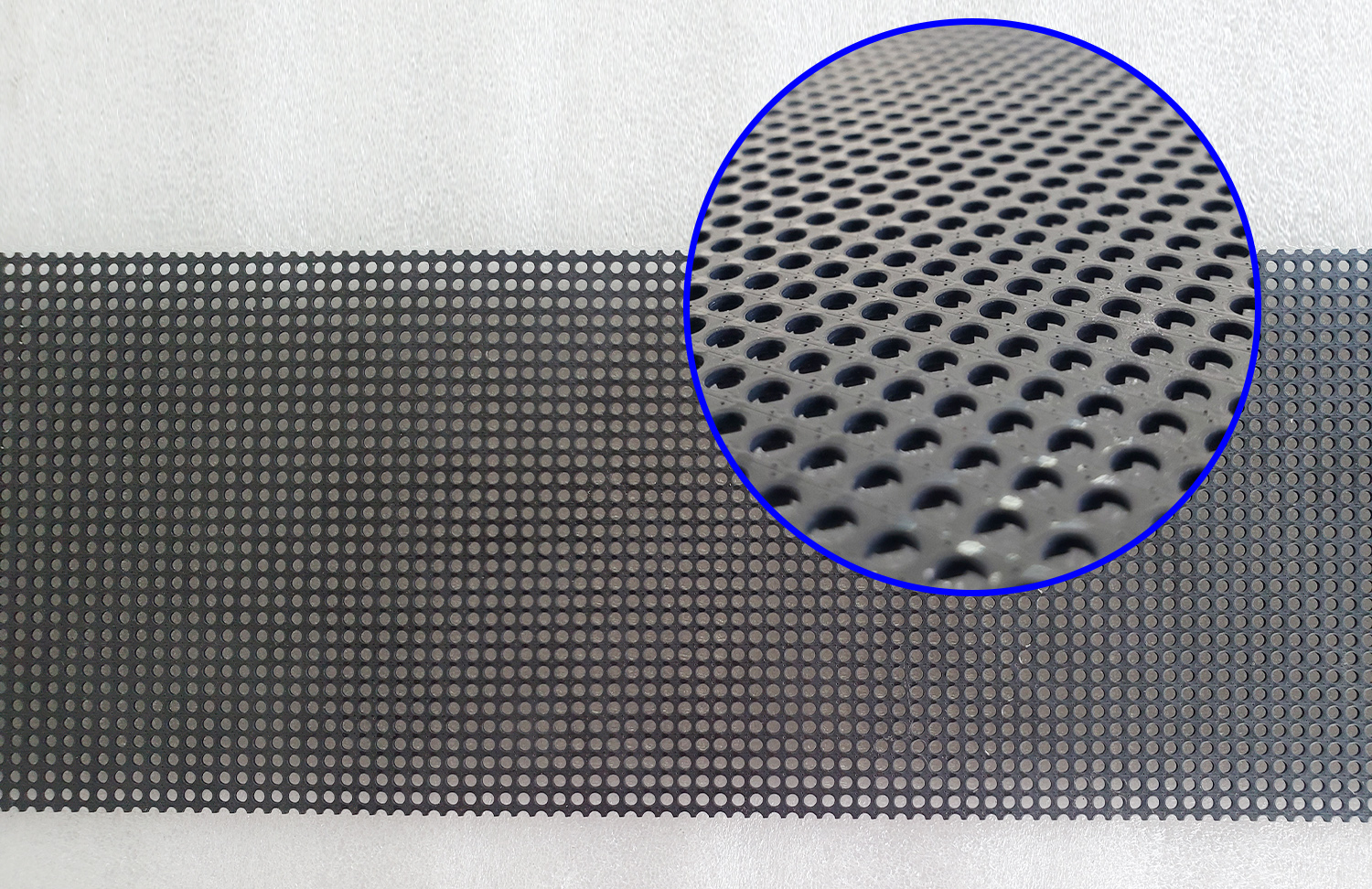
At Shenzhen MixC Mall, pedestrians suddenly looked up and exclaimed in surprise: a red supercar burst through the glass curtain wall of the Cadillac showroom, its body parts spinning and disassembling in mid-air, flames flowing and burning on its tires—and then, a split second later, the glass cleared, revealing the actual car still standing inside. This visual spectacle, which flooded social media platforms, is precisely the virtual-real symbiosis created by LED holographic transparent screens. With breakthroughs in optical display technology expected in 2024, this cutting-edge technology, once confined to science fiction films, is rapidly penetrating high-end retail, car showrooms, and museums, ushering in an "era of spatial superposition" for commercial display windows.
I. Disruptive Features: How do holographic transparent screens redefine physical boundaries? While traditional transparent screens struggle with the "transparency vs. visibility" dilemma, holographic transparent screens achieve a breakthrough in spatial dimensions. Their core technological advantages trigger four major changes:
Dimensional Evolution, Technological Achievement, and Commercial Value
True 3D Levitated Imaging: Nanoscale Gratings + AI Spatial Algorithms
Dynamic Disassembly of Product Components/Perspective Display of Architectural Structures
Transparent Interaction: Millimeter-Wave Radar + Infrared Sensor Layer
Control 3D Models with Gestures in the Air, Boosting Traffic Conversion Rates by Over 40%
Adaptive Ambient Light: 100,000:1 Dynamic Contrast Ratio System
Images retain depth in bright sunlight, automatically softening brightness at night
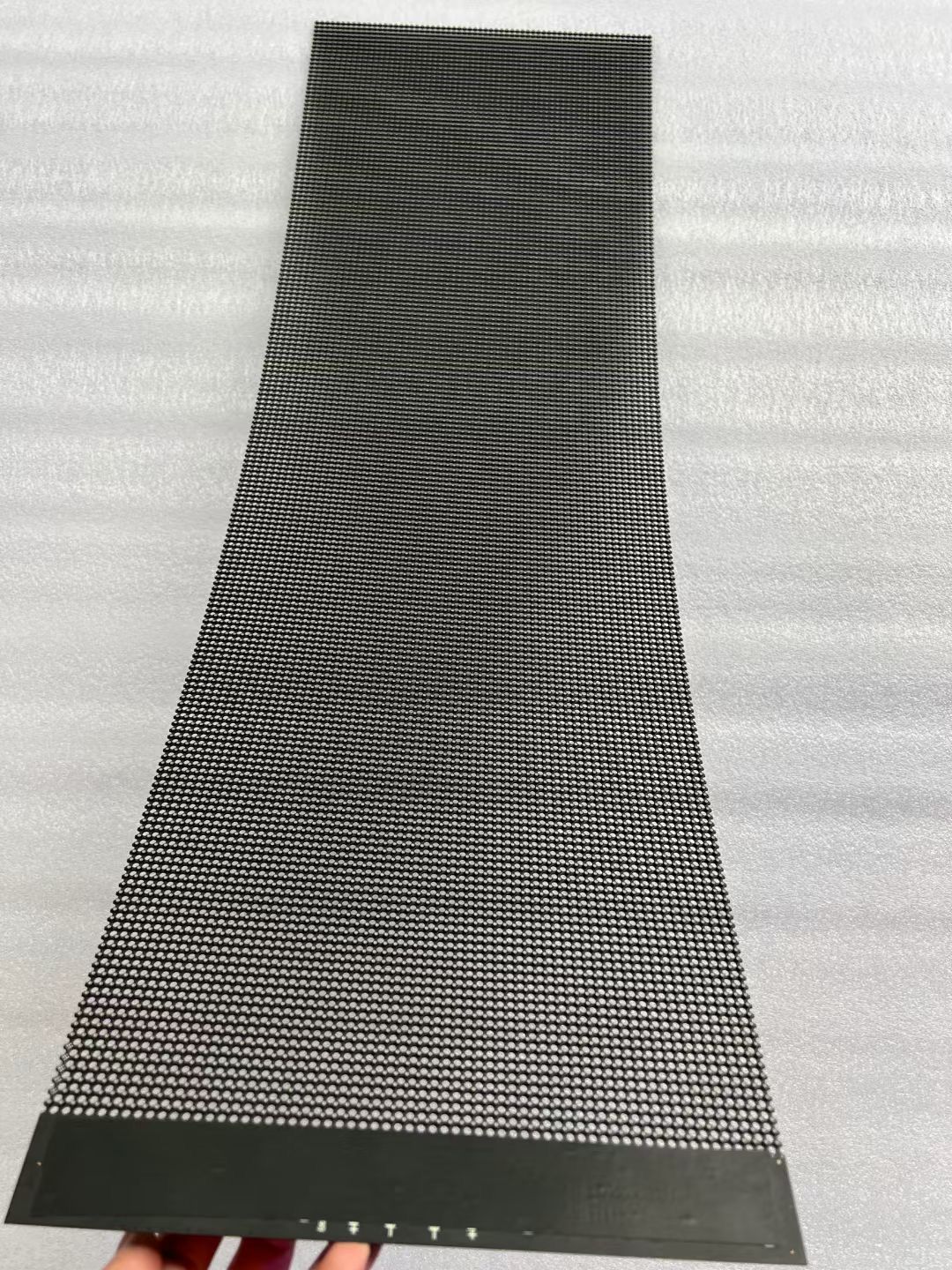
Zero Power Transparency: Transparent Mode: Instantly transforms to normal glass upon power outage 100% light transmittance ensures everyday window display functionality.
Technical Breakthroughs:
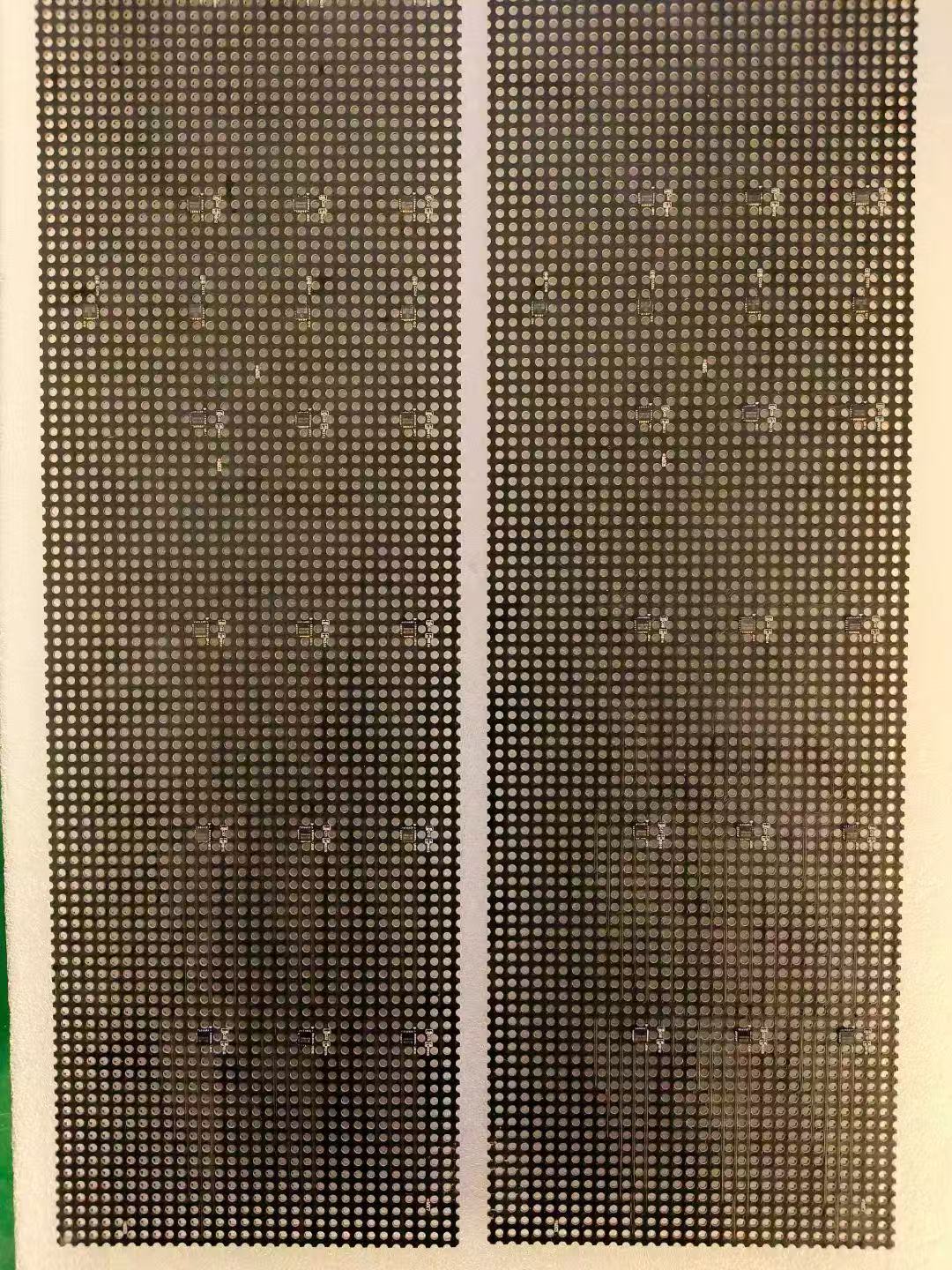
Nano-grating imaging layer: Micron-scale optical structures are embedded within the glass interlayer, enabling aerial imaging through light interference.
AI holographic engine: Real-time calculation of ambient light paths dynamically adjusts the perspective of 3D models.
Magnetic levitation sound field system (optional): Directed sound waves generate tactile feedback in the image area.
Measured data from the Cartier flagship store at Beijing SKP: After installing the holographic screen, customer dwell time increased from 48 seconds to 210 seconds, and the conversion rate per item increased by 34%.
II. Decision Tree: A Four-Dimensional Evaluation Model to Overcome Selection Dilemmas
Facing investments often exceeding millions, businesses must precisely match technical solutions to core scenarios:
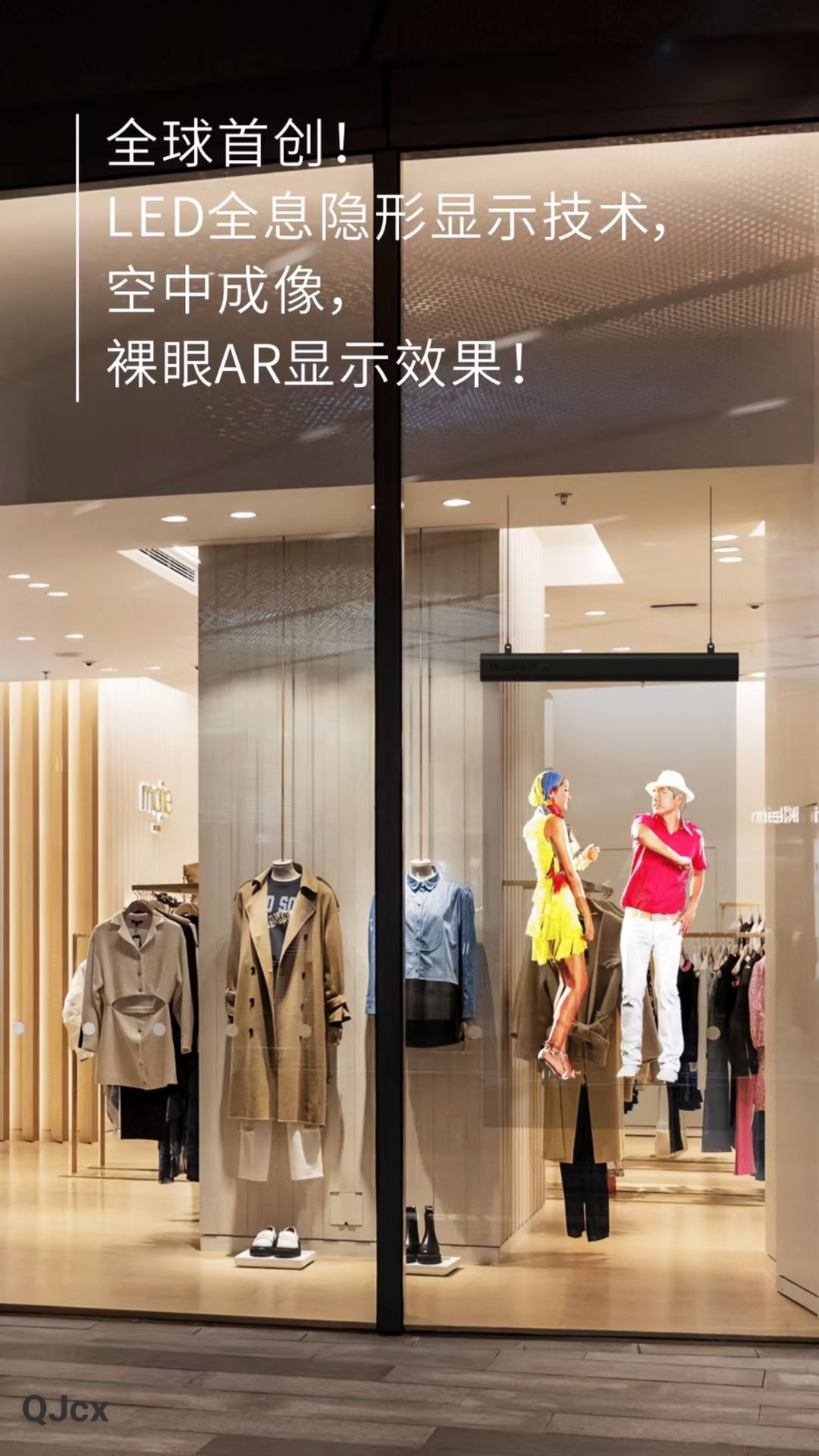
Comparison of Mainstream Solutions
Lightweight Lenticular Film Screens
Imaging Depth: 15-25cm
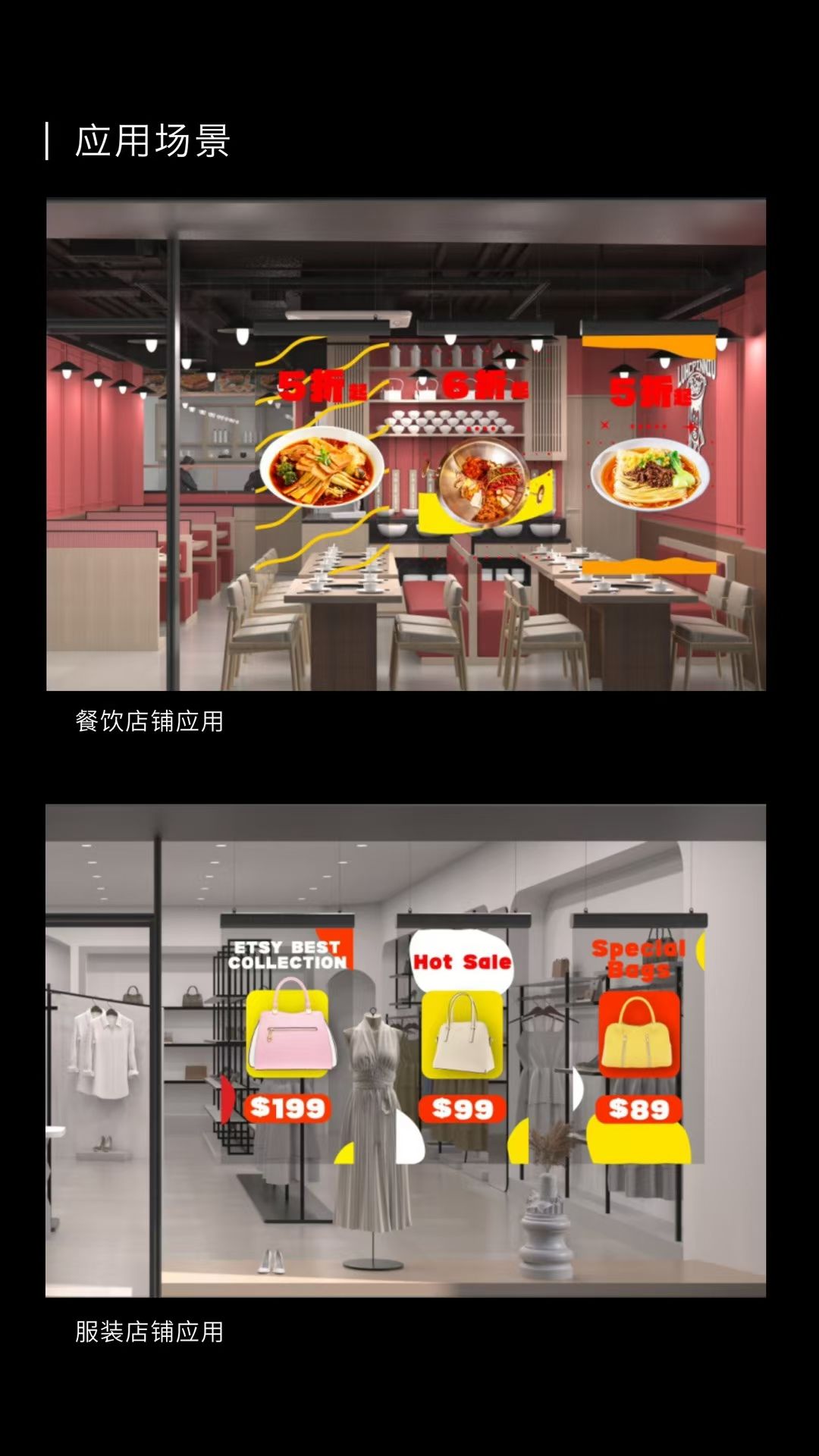
Applications: Floating jewelry displays, 3D presentation of restaurant dishes
Cost Range: ¥8,000-12,000/㎡
Representative Manufacturers: Holotrix (Germany), Illusion Technology (China)
Engineering-Grade Glass Stacked Screens
Imaging Depth: 50cm-2m
Core Technology: Three layers of tempered glass sandwiched between an LED particle matrix
Case Study: 1:1 holographic engine teardown at Audi City Showroom
Cost Range: ¥35,000-60,000/㎡
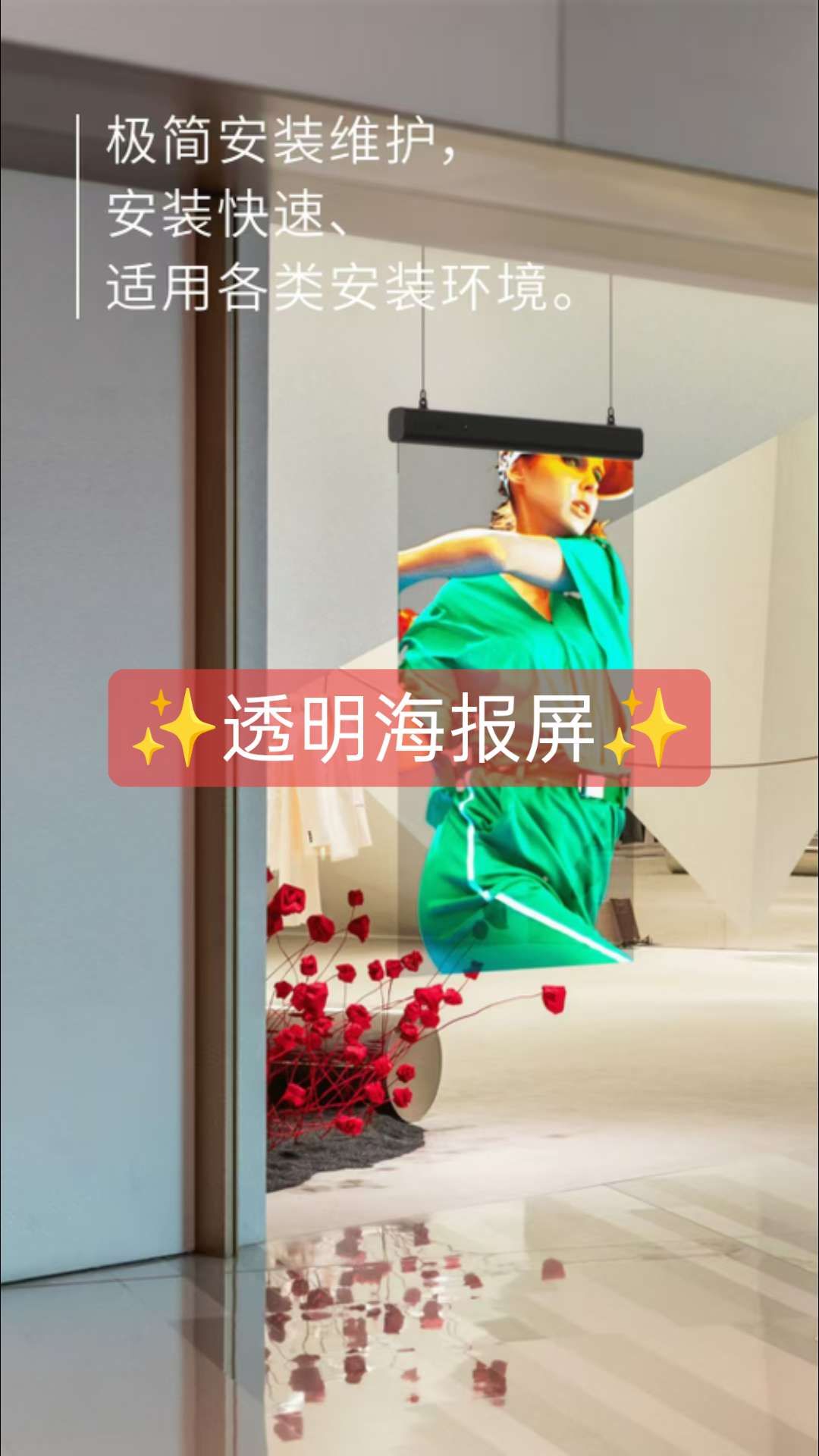
Magnetic Levitation Sound Field Interaction System
Add-on Module: Haptic Feedback Enhancement Kit
Energy-Boosting Experience: Vibration waves generated when your hand "touches" the holographic image
Premium Factor: Base Screen Price + 180%
III. Cost Battle: A Critical Leap from Luxury to Popularity
Holographic screens, once limited to ultra-luxury brands, will reach a price inflection point in 2024:
Domestication of Core Materials: The Suzhou Institute of Nanotechnology, Chinese Academy of Sciences, has achieved a breakthrough in nanoimprint grating technology, reducing costs by 70%
Modular Installation Revolution: Vision Technology launches "stick-on, use-now" magnetic holographic modules, reducing renovation time to 8 hours
Government Subsidies: Beijing and Shanghai include commercial holographic renovations in the digital economy subsidy catalog, offering rebates of up to 40%
Time-Sharing Leasing Model: Guangqi Interactive launches the "Ten Thousand Screen Alliance" program, allowing merchants to pay monthly for content updates
"The single-store investment payback period has been shortened from 26 months to 14 months," noted business technology analyst Zhang Wei. "Holographic screens are shifting from a 'technical gimmick' to a 'real tool.'"
IV. Future Battlefield: How Will Holographic Screens Reshape the Consumer Universe? When spatial computing devices (such as the Apple Vision Pro) and holographic display windows achieve interoperability, new scenarios will emerge:
MR Navigated Shopping
Wearing AR glasses, customers walk past the display window, where holographic staff directly guide them to the shelf locations.
Pilot Case: Matsuya Department Store in Ginza, Japan
Digital Twin Store
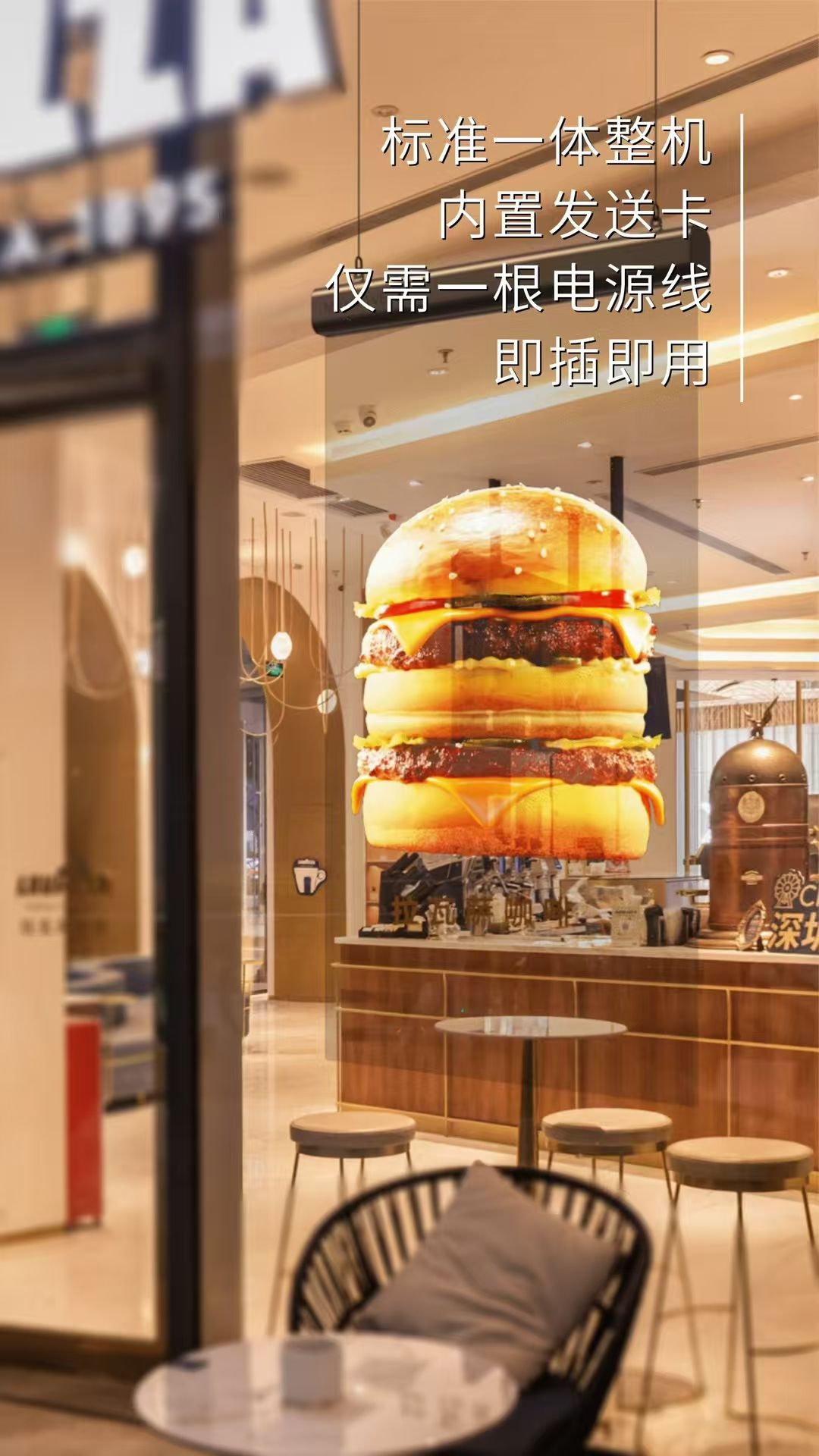
Glass screens sync with the online store, allowing users to add items to their virtual carts by simply touching them.
Technical Support: Unity Engine Real-Time Rendering
Trans-temporal Displays
During the Qixi Festival, a window display showcased a holographic image of a Ming Dynasty phoenix crown, allowing users to purchase a replica of the intangible cultural heritage by scanning a QR code.
A New Paradigm for Cultural Commerce: The Palace Museum Cultural and Creative Center
Industry Prediction:
By 2026, holographic transparent screens will capture 30% of the high-end commercial display market. "This is more than just an upgrade for window displays," asserts Kimberly Wong, Director of Mixed Reality at Microsoft. "When glass becomes a 'magic mirror' that penetrates the physical and digital dimensions, the entire definition of retail space will be rewritten."
At this moment, in a historic building on the Bund in Shanghai, a dazzling quantum nebula floats on the century-old European stained-glass windows—tradition and modernity meet in a fusion of light and shadow. The ultimate question of commercial space is finding a new answer in the fusion of virtual and real.
Comparison of Mainstream Solutions
Lightweight Lens-Layered Screens
Image Depth: 15-25cm
Applications: Floating jewelry displays, 3D presentation of restaurant dishes
Cost Range: ¥8,000-12,000/㎡
Representative Manufacturers: Holotrix (Germany), Illusion Technology (China)
Engineering-Grade Glass Stacked Screens
Image Depth: 50cm-2m
Core Technology: Three layers of tempered glass sandwiched between an LED particle matrix
Case Study: 1:1 holographic engine teardown at Audi's City Showroom
Cost Range: ¥35,000-60,000/㎡
Magnetic Levitation Sound Field Interaction System
Add-on Module: Haptic Feedback Enhancement Kit
Stunning Experience: Vibration waves are generated when your hand "touches" the holographic image
Premium Factor: Base screen price + 180%
III. Cost Challenge: A crucial leap from luxury to widespread adoption
Holographic screens, once limited to ultra-luxury brands, will reach a price inflection point in 2024:
Domestication of core materials: The Suzhou Institute of Nanotechnology under the Chinese Academy of Sciences has achieved a breakthrough in nanoimprint grating technology, reducing costs by 70%.
A modular installation revolution: Vision Technology has launched a "stick-on, use-now" magnetic holographic module, reducing renovation time to 8 hours.
Government subsidies: Beijing and Shanghai have included commercial holographic renovations in their digital economy subsidy catalog, offering rebates of up to 40%.
Time-sharing rental model: Guangqi Interactive has launched the "Ten Thousand Screen Alliance" program, allowing merchants to pay monthly for content updates.
"The payback period for a single store has been shortened from 26 months to 14 months," noted business technology analyst Zhang Wei. "Holographic screens are shifting from a 'technical gimmick' to a 'real tool.'"
IV. The Future Battlefield: How will holographic screens reshape the consumer landscape? When spatial computing devices (such as the Apple Vision Pro) and holographic display windows achieve interoperability, new scenarios will emerge:
MR Navigated Shopping
Wearing AR glasses, customers walk past the display window, where holographic staff directly guide them to the shelf locations.
Pilot Case: Matsuya Department Store in Ginza, Japan
Digital Twin Store
Glass screens sync with the online store, allowing users to add items to their virtual carts by simply touching them.
Technical Support: Unity Engine Real-Time Rendering
Trans-temporal Displays
During the Qixi Festival, a window display showcased a holographic image of a Ming Dynasty phoenix crown, allowing users to purchase a replica of the intangible cultural heritage by scanning a QR code.
A New Paradigm for Cultural Commerce: The Palace Museum Cultural and Creative Center
Industry Prediction:
By 2026, holographic transparent screens will capture 30% of the high-end commercial display market. "This is more than just an upgrade for window displays," asserts Kimberly Wong, Director of Mixed Reality at Microsoft. "When glass becomes a 'magic mirror' that penetrates the physical and digital dimensions, the entire definition of retail space will be rewritten."
At this moment, in a historic building on the Bund in Shanghai, a dazzling quantum nebula floats on the century-old European stained-glass windows—tradition and modernity meet in a fusion of light and shadow. The ultimate proposition of commercial space is finding a new answer in the fusion of virtual and real.
 English
 中文
中文