Custom-designed LED shapes: Display technology breaks through the boundaries of the rectangle
Opening: Redefining Spatial Visual Language
As digital display technology enters deeper waters, traditional rectangular LED screens can no longer fully meet the needs of differentiated brand expression and spatial artistic presentation. Creative custom-shaped LED displays have emerged, transforming from mere information carriers into architectural elements, artistic embodiments, and physical brand identifiers. This display technology, which breaks conventional geometric constraints, is sparking a global revolution in spatial visual communication.
Chapter 1: The Multidimensional Value System of Custom-Shaped Displays
1.1 Dimensional Upgrade and Value Reconfiguration of Brand Image
Traditional displays, limited by rectangular forms, often struggle to integrate deeply with a brand’s Visual Identity System (VIS). Custom-shaped screens, however, can directly translate core brand elements—be it a logo's unique silhouette, a product's iconic curves, or symbolic patterns representing corporate culture—into physical display interfaces.
Case Study: Coca-Cola's classic curved bottle-shaped LED screen in global flagship stores perfectly merges product form with display medium. Data shows this customization increases consumer brand recall by 63% and extends in-store dwell time by 41%. In China, the "flying eave"-shaped LED screen at the Palace Museum entrance combines traditional architectural elements with modern display technology, creating a fusion of cultural landmark and digital guide.
1.2 Creative Activation of Spatial Value
Custom-shaped screens maximize the use of unconventional spaces, transforming traditional "dead corners" or "non-standard areas" into visual focal points. According to a 2024 report by the International Association of Spatial Design, proper use of custom-shaped displays can increase commercial space value density by over 55%.
Space Transformation Examples:
Column-Wrapping Screens: Structural columns in shopping malls, often a design challenge, can be turned into brand display towers or information pillars with 360-degree wrapping screens.
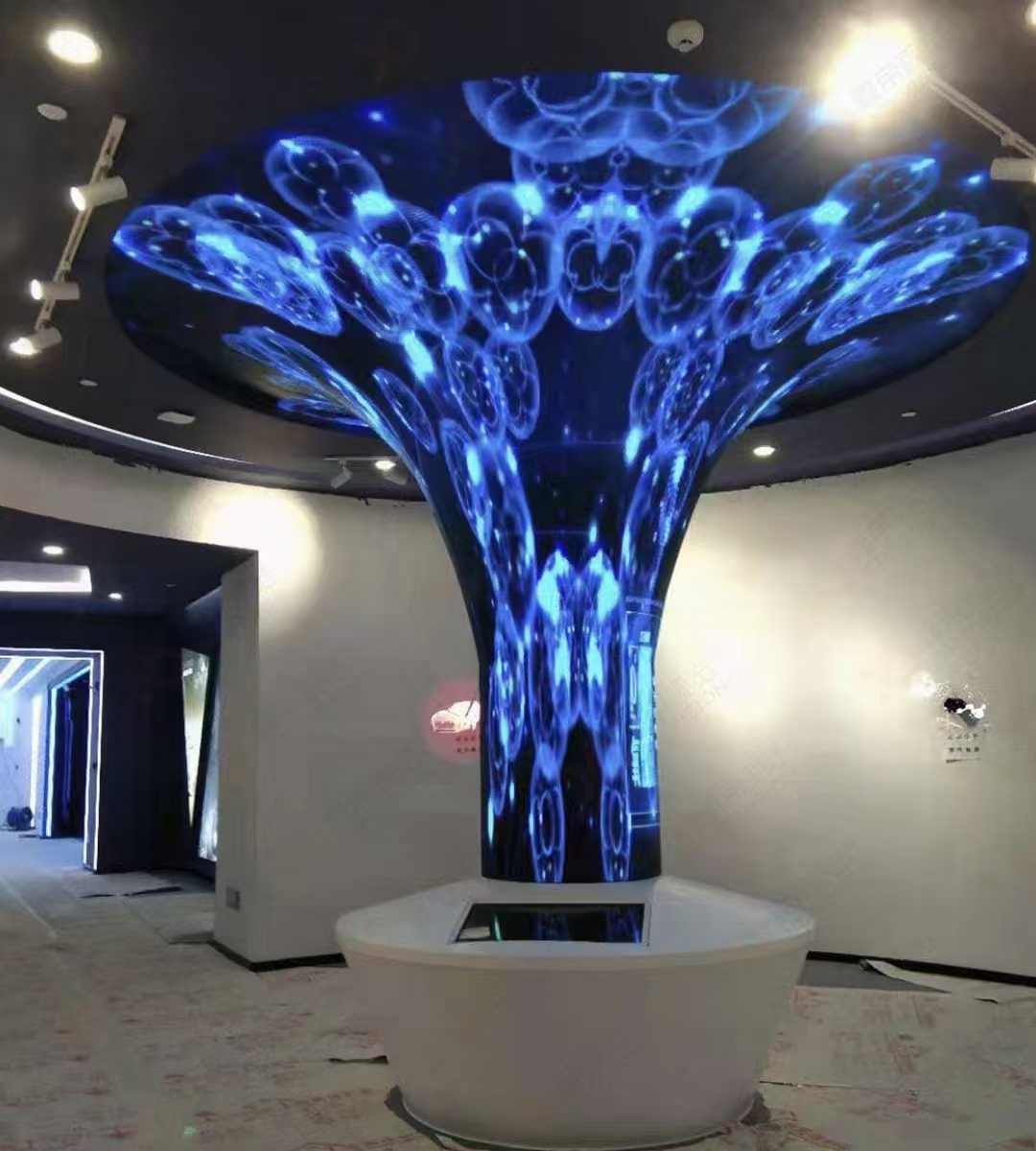
Cascading Stair Screens: Staircase sides become flowing display interfaces, with each step as an independent pixel unit.
Dome Ceiling Screens: Curved splicing technology transforms ceilings into immersive visual domes, ideal for science museums and theme park entrances.
1.3 Dimensional Expansion of Immersive Experience
In the experience economy era, custom-shaped screens create multi-sensory experiences through form innovation. Unlike the one-way communication of flat screens, curved, polyhedral, and irregular displays can create enveloping visual environments.
Experience Enhancement Data:
Curved theater screens increase effective field of view by 37% compared to traditional flat screens.
Polyhedral immersive exhibition halls see audience engagement rates 2.3 times higher than traditional halls.
Interactive custom-shaped floor screens increase customer interaction rates in commercial spaces by 68%.
Chapter 2: Analysis of Core Technical Features
2.1 Technological Breakthroughs in Form Freedom
Modern custom-shaped screens have achieved three key freedoms:
Structural Freedom: Utilizing flexible PCB substrates and modular micro cabinets with a minimum bending radius of 15mm, supporting complex shapes like double-curvature, spirals, and waves. Advanced 3D modeling and structural simulation allow precise pre-installation analysis of load-bearing, heat dissipation, and viewing angles.
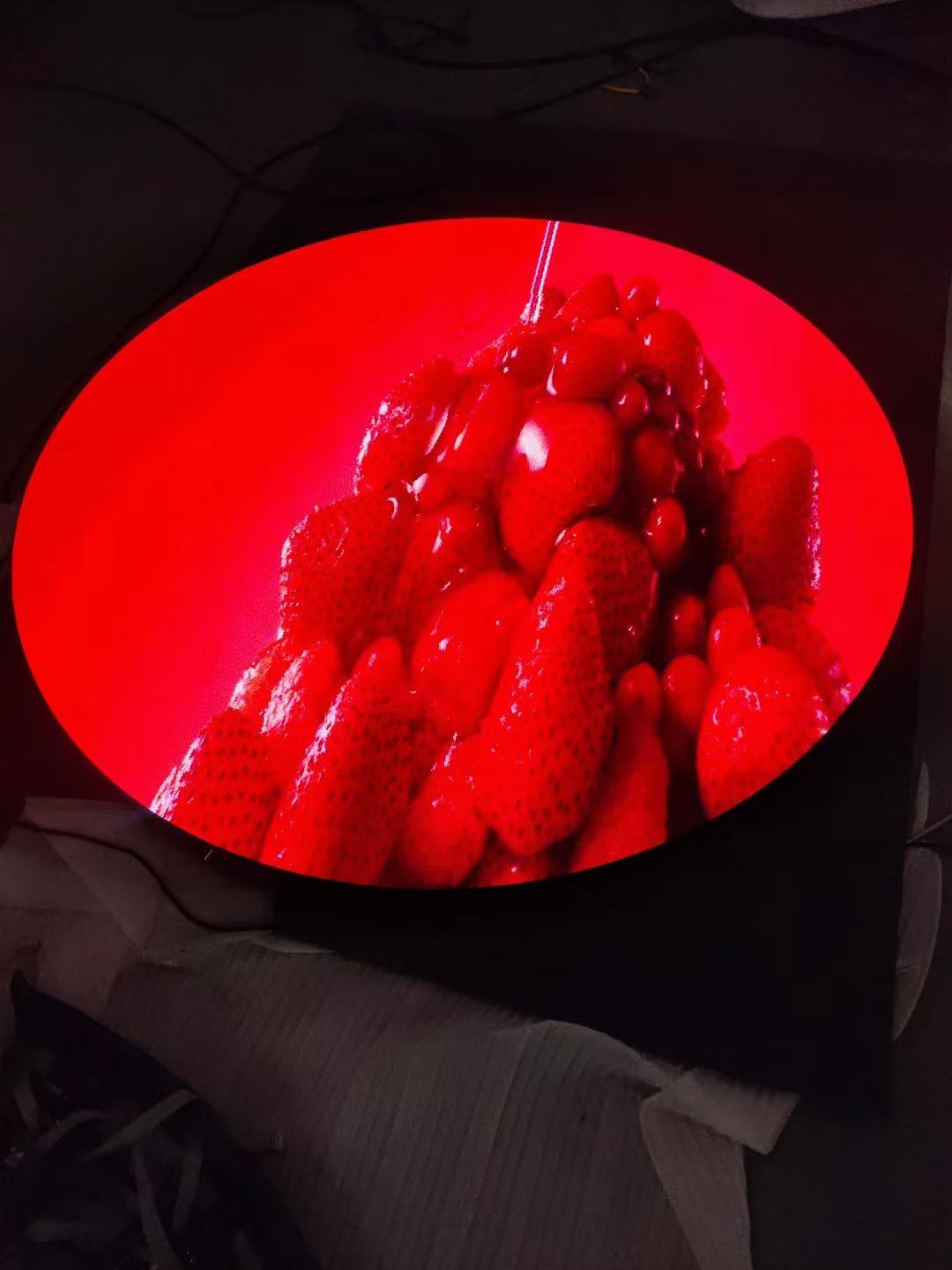
Pixel Freedom: Breaking traditional grid arrangements to achieve circular, radial, and irregular pixel matrices. Special algorithms ensure image integrity and color consistency on any shape.
Splicing Freedom: Supporting multi-plane, multi-angle discontinuous splicing, tolerating up to 15° angular deviation between cabinets to accommodate natural architectural undulations.
2.2 Professional-Grade Visual Performance Assurance
Custom shapes do not compromise quality; top-tier solutions ensure:
Intelligent Brightness Adaptation: Differentiated brightness compensation for varying incident light angles across curved surfaces ensures overall visual uniformity. Outdoor applications feature automatic brightness adjustment from 500 to 8000 cd/m².
Color Consistency Management: Individual LED calibration technology maintains color difference ΔE within 1.5 across modules with different curvatures and orientations, meeting broadcast standards.
Visual Correction Technology: Proprietary non-linear image processing algorithms adapt flat content to irregular surfaces in real-time, eliminating perspective distortion. Supports direct drive from real-time rendering engines for interactive content.
2.3 Engineering Innovation System
The success of custom shapes hinges on engineering implementation:
Lightweight Structural Design: Using aerospace aluminum and carbon fiber composites reduces weight per unit area by 40% while ensuring structural strength. Modular quick-install systems increase installation efficiency for complex shapes by 60%.
Thermal Topology Optimization: Heat simulation models for irregular structures enhance cooling in dense areas and use passive dissipation in narrow spaces, ensuring full-screen temperature variation within 5°c
Maintenance-Friendly Design: Every module, even in complex polyhedral structures, is accessible from the front or designated maintenance channels. Intelligent fault location systems can pinpoint individual abnormal pixels.
Chapter 3: In-Depth Analysis of Typical Application Scenarios
3.1 Commercial Spaces and Brand Flagship Stores
Luxury Retail Spaces: Curved wall screens integrated with product display cases automatically play design stories when customers approach. A Swiss watch brand's flagship "Time Tunnel" cylindrical screen increased average transaction value by 34%.
New Energy Vehicle Showrooms: Transforming vehicle contours into display interfaces, with car surfaces becoming dynamic parameter screens. Can achieve "transparent body" effects to visualize internal structures like batteries and motors.
Dining Spaces: Curved bar counters display mixology processes in real-time; interactive table screens coordinate with ceiling light shows. Data shows restaurants with custom-shaped screens experience a 270% increase in social media check-ins.
3.2 Cultural and Public Art Installations
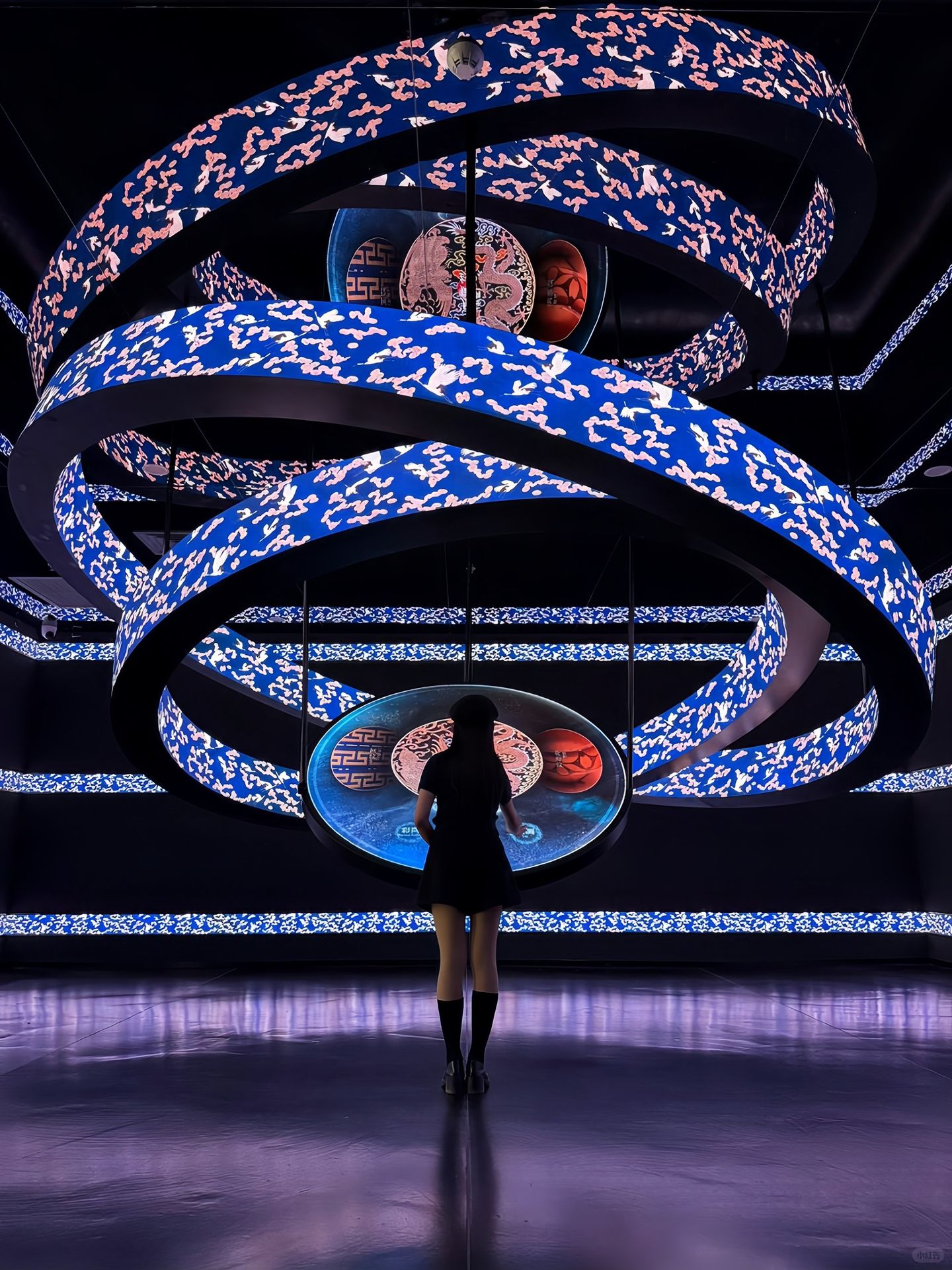
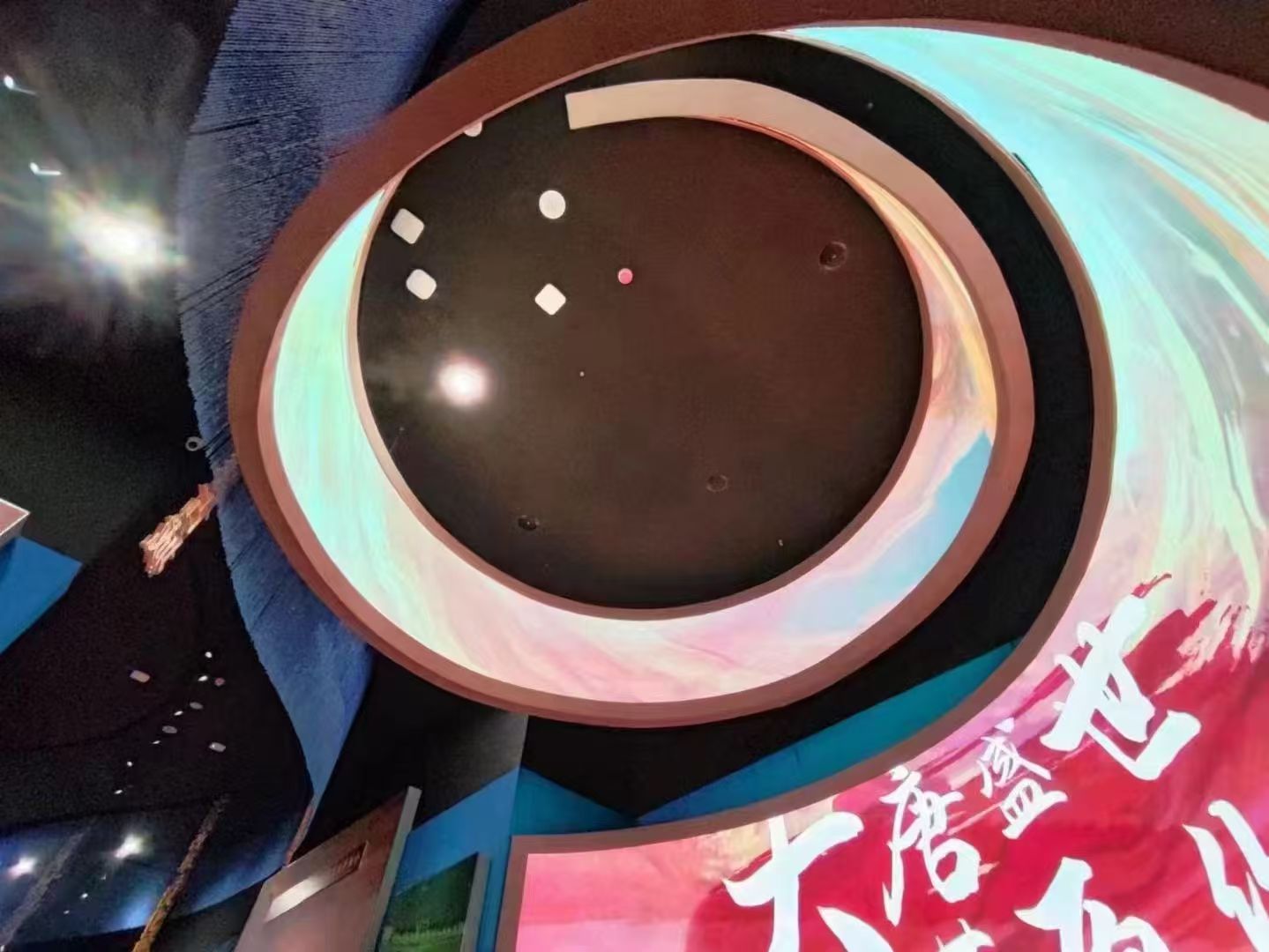
Museums and Science Centers: Transforming scientific elements like fossil outlines, molecular structures, and galaxy forms directly into display mediums. The "Curved Space-Time" screen at Shanghai Astronomy Museum improved comprehension of complex physics concepts by 45%.
Urban Public Art: Sculptural LED installations serve as cityscapes by day and information media by night. Chengdu High-Tech Zone's landmark "Digital Bamboo" installation has become a regional cultural symbol.
Theme Parks: Custom-shaped screens integrated with rides, such as tunnel-wrapping screens on roller coasters or scenic screens for water attractions, increased visitor immersion ratings from 3.2 to 4.7 (on a 5-point scale).
3.3 Corporate Headquarters and Tech Campuses
Architectural Media Facades: Deconstructing corporate logos into building envelope display units, like Alibaba's Xixi Campus "Data Flow" facade visualizing real-time transaction data.
Innovation Centers: Irregularly spliced "Idea Collision Walls" support multi-user brainstorming and visual collaboration. Microsoft Redmond Campus's spherical meeting room screen improved remote collaboration efficiency by 40%.
Data Center Visualization: Transforming server rack forms into real-time status display walls, allowing operators to intuitively perceive data flow, load, and energy consumption.
Chapter 4: Customization Process and Collaboration Model
4.1 Five-Phase Professional Customization Process
Phase 1: Concept Co-Creation (2-3 weeks)
Workshops with designers, architects, brand representatives, and engineers
Spatial simulation and form exploration using VR
Balancing artistic expression with technical feasibility
Phase 2: Technical Deepening (3-4 weeks)
Structural mechanics analysis and environmental adaptability testing
Optical modeling and viewing angle simulation
Developing installation and maintenance feasibility plans
Phase 3: Prototype Validation (2-3 weeks)
Building 1:10 physical models to verify visual effects
Load testing for key structural nodes
On-site debugging of content adaptation algorithms
Phase 4: Production and Pre-Assembly (4-6 weeks)
Modular unit production and aging tests
Factory pre-assembly to verify overall precision
Custom packaging and transportation planning
Phase 5: On-Site Implementation (2-4 weeks)
Professional installation teams with equipment support
Multiple rounds of calibration and content debugging
Operator training and delivery documentation
4.2 Key Elements for Successful Collaboration
Interdisciplinary Teams: Each project requires integrating industrial designers, structural engineers, optical specialists, content creators, and project managers.
Intellectual Property Protection: Custom designs often involve patented forms, requiring clear agreements on IP ownership and usage rights from the outset.
Full Lifecycle Service: Providing end-to-end service from concept to decommissioning, including assessments for potential form upgrades within five years.
Chapter 5: Future Trends and Outlook
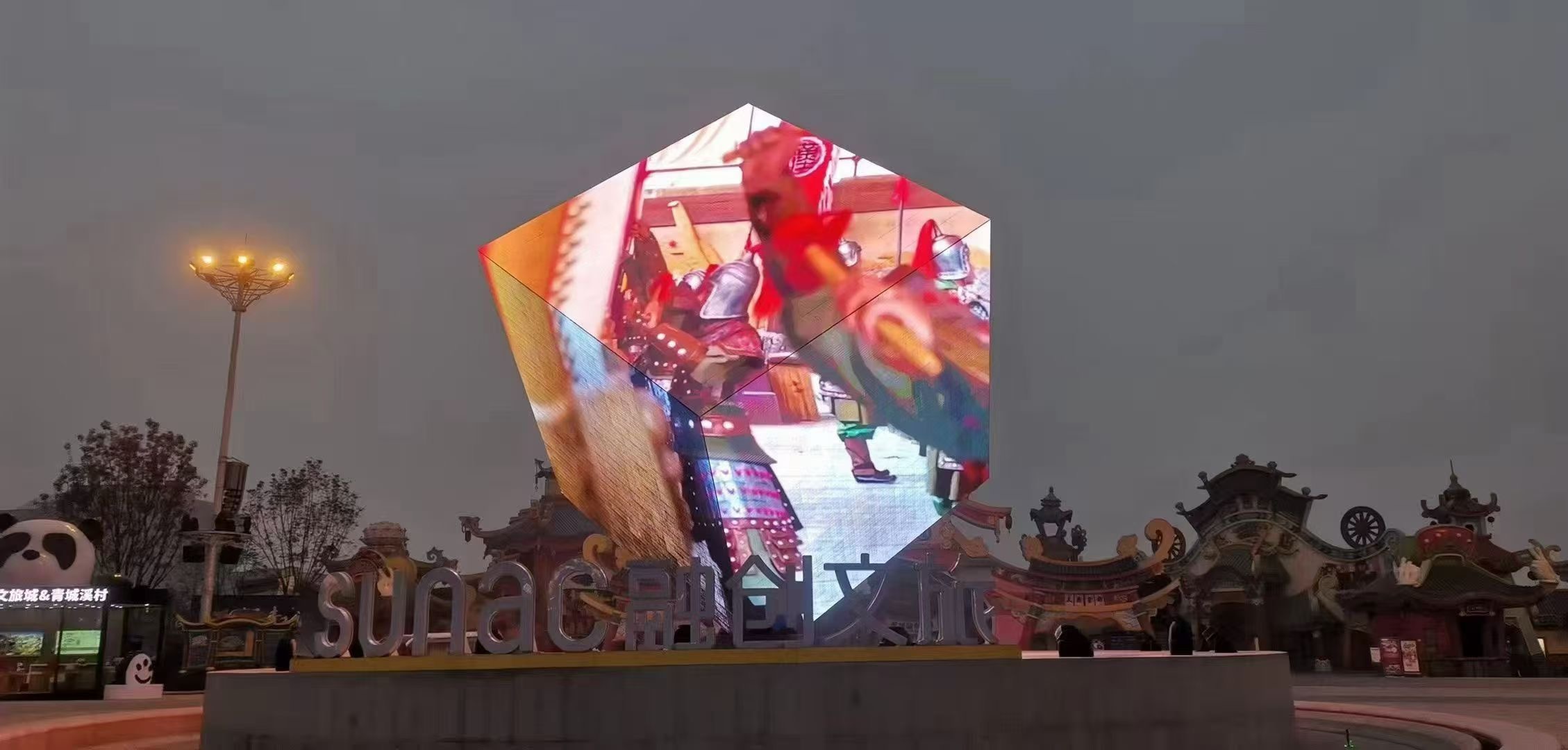
5.1 Technology Integration Directions
Flexible Deformable Screens: Next-gen materials will enable real-time shape changes, such as transitioning from flat to curved.
Holographic Fusion Displays: Combining custom-shaped screens with holographic films to overlay aerial imaging effects on physical structures.
Self-Powering Integration: Transparent photovoltaic layers combined with display layers, allowing curved screens to generate part of their own power.
5.2 Application Scenario Expansion
Personalized Miniature Custom Screens: 3D printing technology combined with micro-LEDs enables desktop art-grade displays for individual users.
Wearable Display Extensions: Applying custom-shaped screen technology to fashion, transforming clothing and accessories into dynamic display media.
Smart City Interfaces: Urban furniture like bus stops, trash bins, and streetlights becoming custom-shaped information terminals.
Conclusion: Beyond the Rectangle, Defining the Future Visual Grammar
Creative custom-shaped LED displays have moved from the technology demonstration phase into the deep waters of value creation. They no longer answer the question "Can it be done?" but explore the proposition "How can we create more possibilities?"
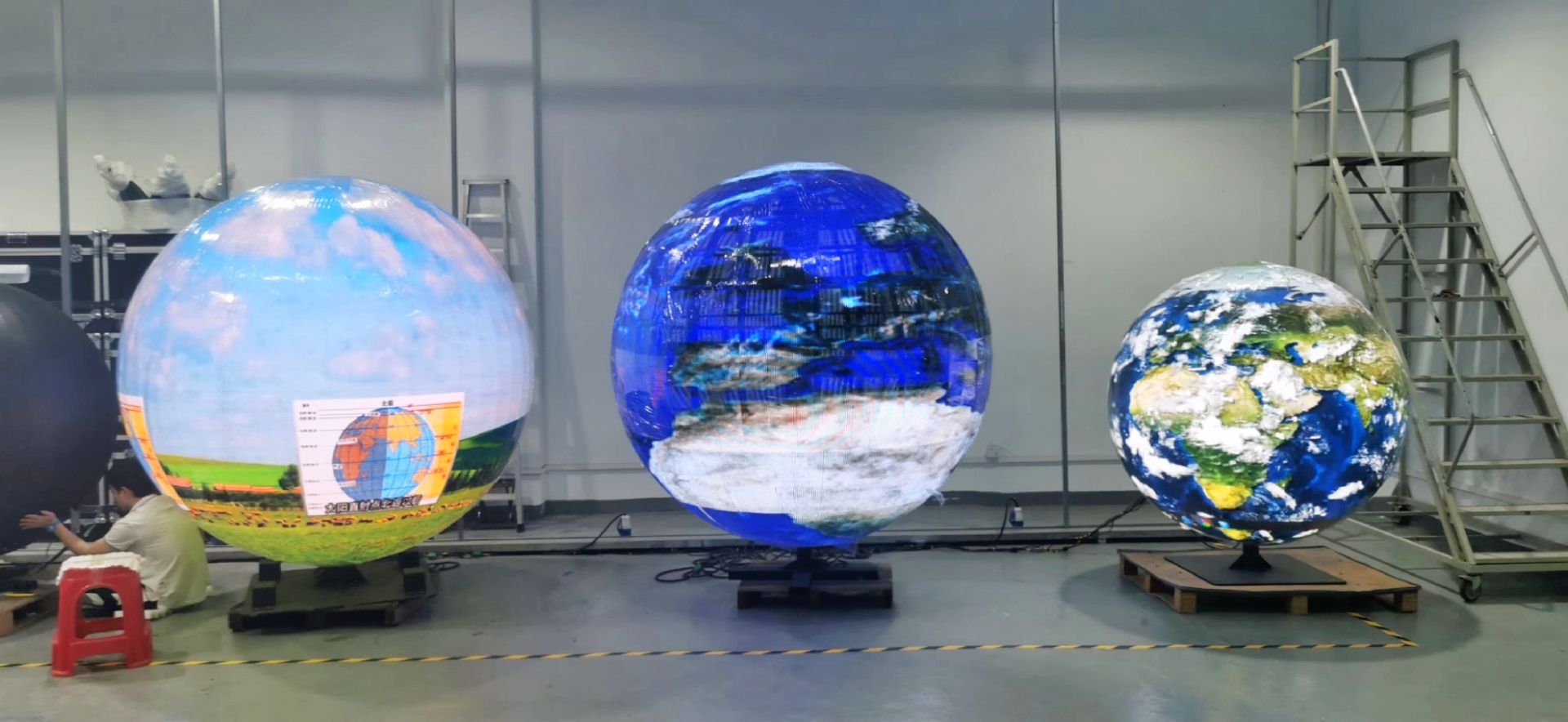
Choosing custom shapes is, in essence, choosing a mindset: refusing to be defined by standardized rectangles, and daring to transform brand essence, spatial character, and artistic imagination into tangible, luminous, conversational physical presences. When displays break free from rectangular shackles, they gain the ability to converse with architecture, dance with space, and empathize with viewers.
In an era of increasing homogenization, custom-shaped screens represent not just technical capability but a brand philosophy—never compromising on standards where uniqueness matters most. They make every display a unique visual event, ensuring every beam of light tells a story belonging exclusively to that space.
 English
 中文
中文