The Deep Conflict Between Price and Quality in LED Displays
The Deep Conflict Between Price and Quality in LED Displays: The Truth Behind Every Price Difference
At the LED display procurement site, a puzzling phenomenon recurs repeatedly: Price quotes for visually similar screens can vary several times. While suppliers solemnly guarantee "identical parameters," quality gaps hidden behind spec sheets are quietly eroding users' long-term interests. This price-quality battle goes far beyond a simple "you get what you pay for" approach; it involves a complex contest involving optical engineering, industrial precision, and the value of time.
1. The "Secret Quality War" of Core Components: A Life-or-Death Battle from Lamp Beads to Chips
The strict grading of Lamp Bead chips directly determines the fate of display screens. High-end products use chips from Cree (US) or Nichia (Japan), with unit costs up to five times that of domestically produced chips. These top-tier chips maintain brightness degradation within 10% after 100,000 hours of continuous operation, seemingly endowed with an optical "longevity gene." In contrast, some low-priced screens use ungraded chips, which can cause color fading and uneven brightness after just two to three years of use. This is essentially the premature aging of the optical components.
The invisible battlefield of driver ICs is often overlooked. Screens using Taiwan's Macroblock (MBI) solution support ultra-high refresh rates of 3840Hz, resulting in silky-smooth video footage. However, some off-brand driver ICs only support 1920Hz refresh rates, resulting in embarrassing ripples in live sports broadcasts and blurry, ink-like smearing in dynamic footage. This seemingly "usable" experience gap is actually a generational gap in signal processing technology.
The energy code of the power supply system is equally critical. High-end power supplies can achieve conversion efficiencies exceeding 95%, saving over 30,000 yuan in electricity costs per year for a 100-square-meter screen. Low-quality power supplies not only consume a staggering amount of power, but their current fluctuations are a hidden killer for LEDs, leading to a surge in localized lamp failure rates. While users are secretly delighted by the low prices, electricity and repair bills are quietly piling up.
The lifeline of millimeter-level technology: the invisible cost killer
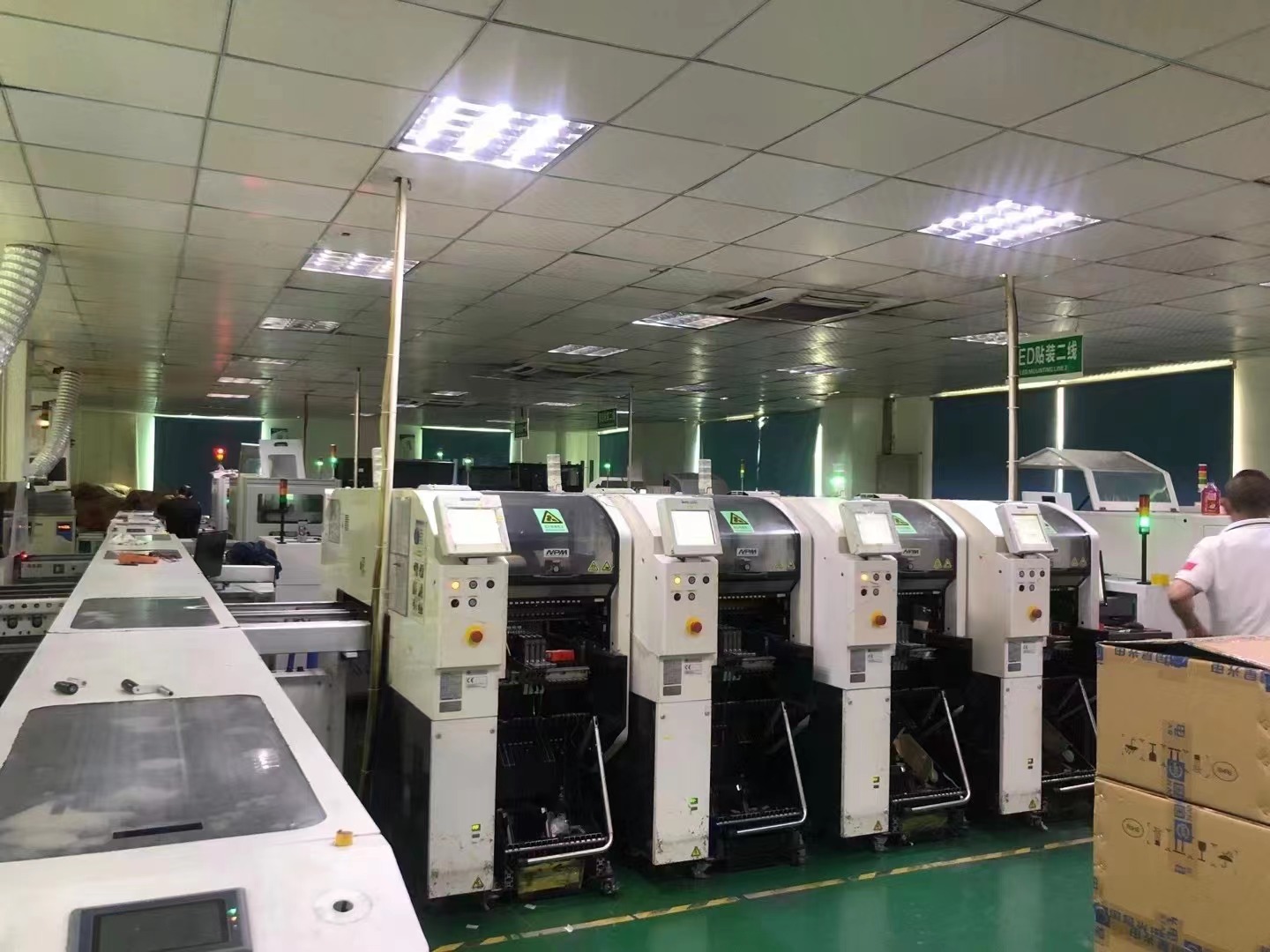
The microscopic battle of chip placement precision takes place at the scale of one hundredth of a millimeter. German ASM chip placement machines achieve an accuracy of ±0.01mm, equivalent to one-seventh the thickness of a human hair, ensuring that 100,000 LEDs are aligned like a parade formation. However, screens mounted with second-hand equipment have visible deviations in LED placement, creating a glaring "galaxy discontinuity" when lit. This process disparity directly results in high-end screens having a defective pixel rate less than one-fifth that of low-end products.
The optical magic of consistent ink color is the core barrier of high-end screens. Specialized factories use precision spectrophotometry and color separation equipment to control the color temperature deviation of tens of thousands of LEDs to within 0.003 nanometers—equivalent to the difference between the diameters of two human hairs on a 100-meter runway. Mixing LEDs that have not been rigorously sorted can create a mottled, "psoriasis" appearance on the screen, especially when displaying a solid background.
The time war for protective technology is particularly brutal in the outdoor screen industry. Triple nano-coating technology allows the screen to operate smoothly even in heavy rain, but the crude glue-filling process provides poor dust and water resistance, allowing moisture to act like a chronic poison, corroding the internal circuitry. High-end outdoor screens offer a lifespan of over eight years, while low-end products begin to fail in droves after just three years. Repair and installation costs easily wipe out the initial price difference.
III. Lessons Learned Through Hard Times: The Ultimate Cost of the Low-Price Trap
A landmark shopping mall once "saved" 1,700 yuan per square meter by purchasing low-priced P2.5 screens, only to undergo six major repairs within a year. Footage of repair workers hanging in the heat made local news, and the cumulative repair costs, after conversion, surpassed the quoted price of brand-name screens. Even more devastating, the screens inevitably malfunction during peak sales seasons, causing merchants to lose incalculable customer traffic.
A celebrity's concert was forced to be canceled due to black patches on a cheap stage screen. The organizers not only offered a full refund and 2.1 million yuan in compensation, but the related topic garnered 320 million views on social media. The brand value of a stage company evaporated overnight, exemplifying the industry adage that "saving money on lamp beads won't buy back lost goodwill."
A low-end domestic screen in the lobby of a company's headquarters exceeded its procurement budget by 110,000 yuan in energy consumption over three years. Ironically, flickering during a visit by an international client caused a pending order to be shelved. The trust crisis triggered by a single screen exposed the pitfalls of performance misrepresentation behind "parameter compliance."
IV. Smart Decision-Making: Three Principles for Penetrating the Price Mist
Lifecycle cost accounting is the key to success. By factoring in electricity, maintenance, and spare parts costs over five years, a project reportedly saved 600,000 yuan in procurement, but actually incurred an additional 1.4 million yuan. True cost control requires calculating the total bill for the screen from cradle to grave.
Traceability verification of key components is essential. Requiring suppliers to provide original manufacturer authorization for lamp beads and batch test reports for driver ICs is like checking the engine serial number on a car. One contractor successfully prevented suppliers from substituting components by including a clause in their contract requiring traceability of laser-engraved lamp beads.
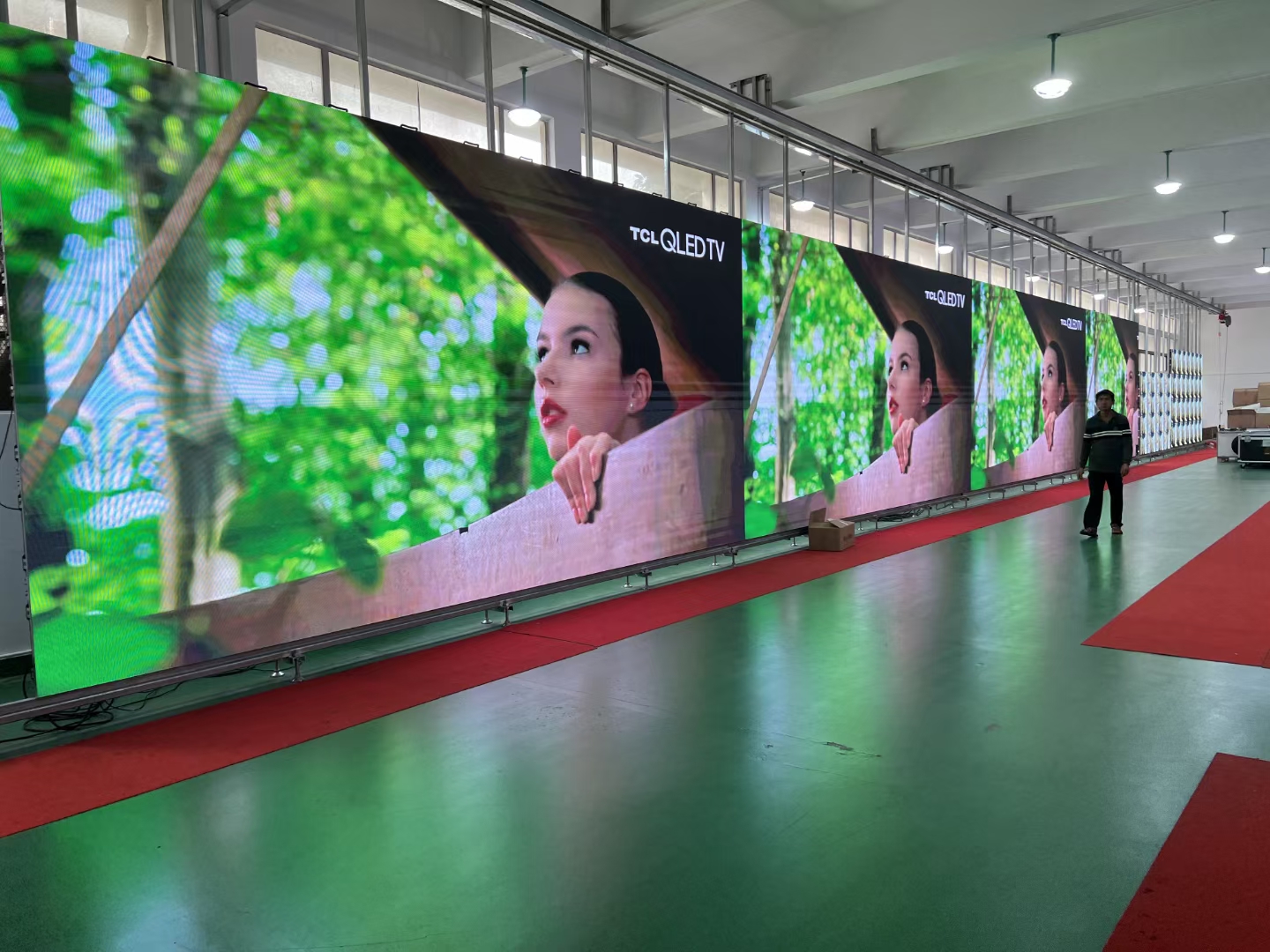
Extreme environmental stress testing is a true test. During acceptance testing, the screen was required to play high-speed dynamic video continuously for 48 hours, temperature distribution was measured using a thermal imager, and brightness consistency was checked in a dark environment. This method was used to select the true winner among three suppliers with similar quotes for an airport project.
Conclusion: Price is a figure for the present, quality is the answer for the future.
Price differences in LED display screens are essentially the time-discounted premiums for optical component lifespan, industrial precision levels, and system stability. When the temptation of a low price strikes, remember the audience who left the venue disappointed by screen failures, the workers who repaired high-altitude screens late at night, and the frantic numbers on the electricity meter. Choosing quality isn't about paying for luxury, but about refusing to settle for chance.
In today's rapidly evolving display technology, a screen is more than just an information medium; it's also an amplifier of spatial value and a spokesperson for brand image. Any quality costs skimped on during the procurement process will eventually be repaid in a more brutal way at some point in the future. Wise people have long understood that the ultimate goal of optimal value lies in the precise balance between quality and price.
 English
 中文
中文