Visual Revolution and Innovative Practice in Commercial Activities
——From technological innovation to scene empowerment, unlocking new possibilities for brand marketing
In recent years, with the rapid development of digital technology, LED displays have gradually become a "visual weapon" in commercial activities with their high brightness, high definition and flexible display forms. From brand conferences, retail pop-up stores to large-scale exhibitions, LED displays constantly refresh audience cognition through immersive scenes, interactive experiences and creative content, becoming the core tool for companies to create differentiated displays. According to data from market research firm Grand View Research, the global LED display market size will exceed US$15 billion in 2023, with an annual growth rate of 12.3%, and commercial applications account for more than 40%. Behind this, it is not only the iteration of technology, but also a deep transformation of visual marketing.
1. Technological innovation: from "hardware upgrade" to "scene reconstruction"
The stunning display of LED displays first comes from the continuous breakthrough of technology. The new generation of display technology represented by Mini-LED and Micro-LED reduces the pixel pitch to below P0.4, and the picture is delicate and close to "no graininess", providing movie-level visual effects for commercial scenes. For example, at the Paris Fashion Week, a luxury brand combined the T-stage background with dynamic light and shadow through a Micro-LED curved screen. When the models walked, they seemed to be in the galaxy, which triggered heated discussions on social media.
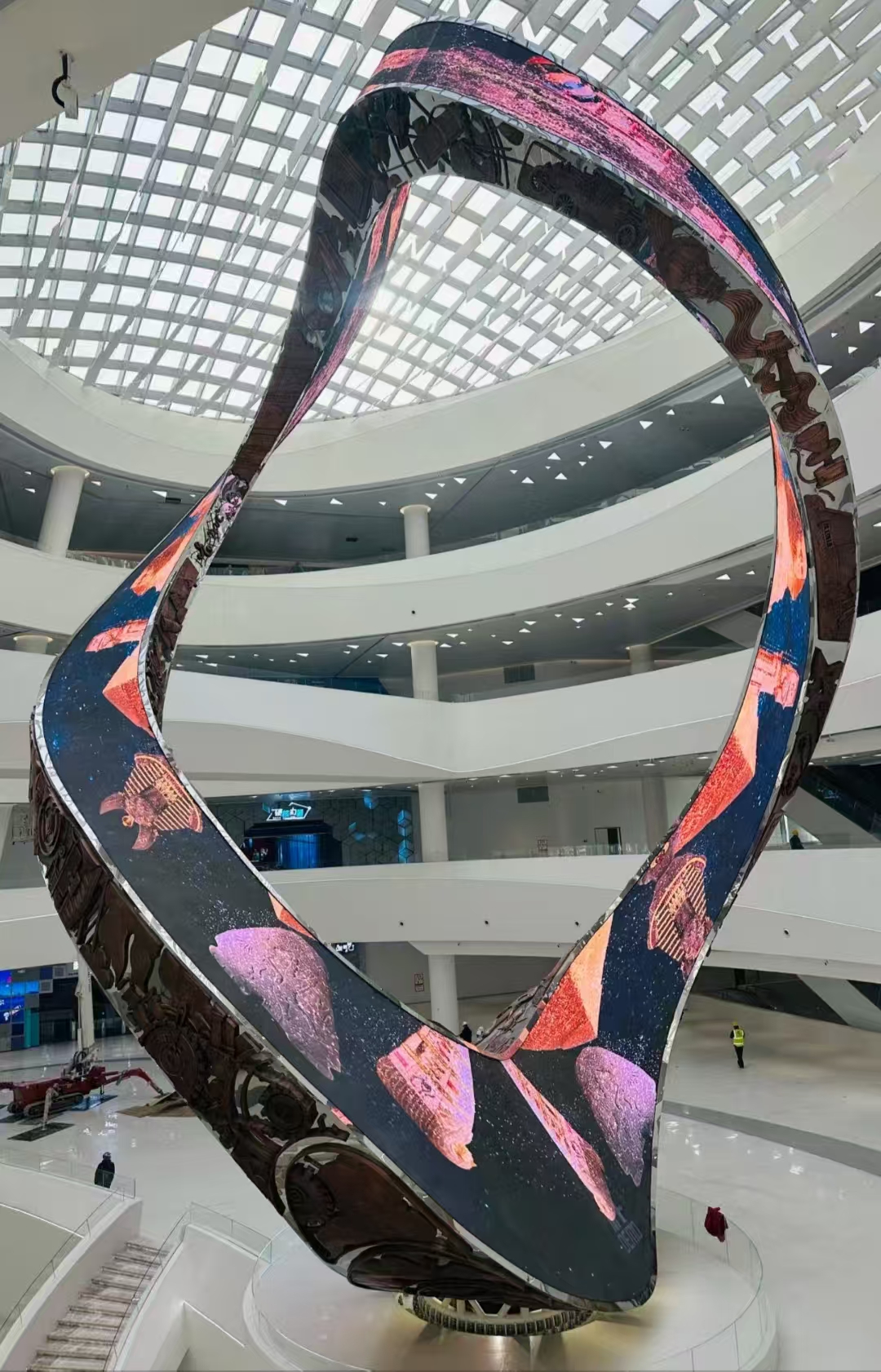
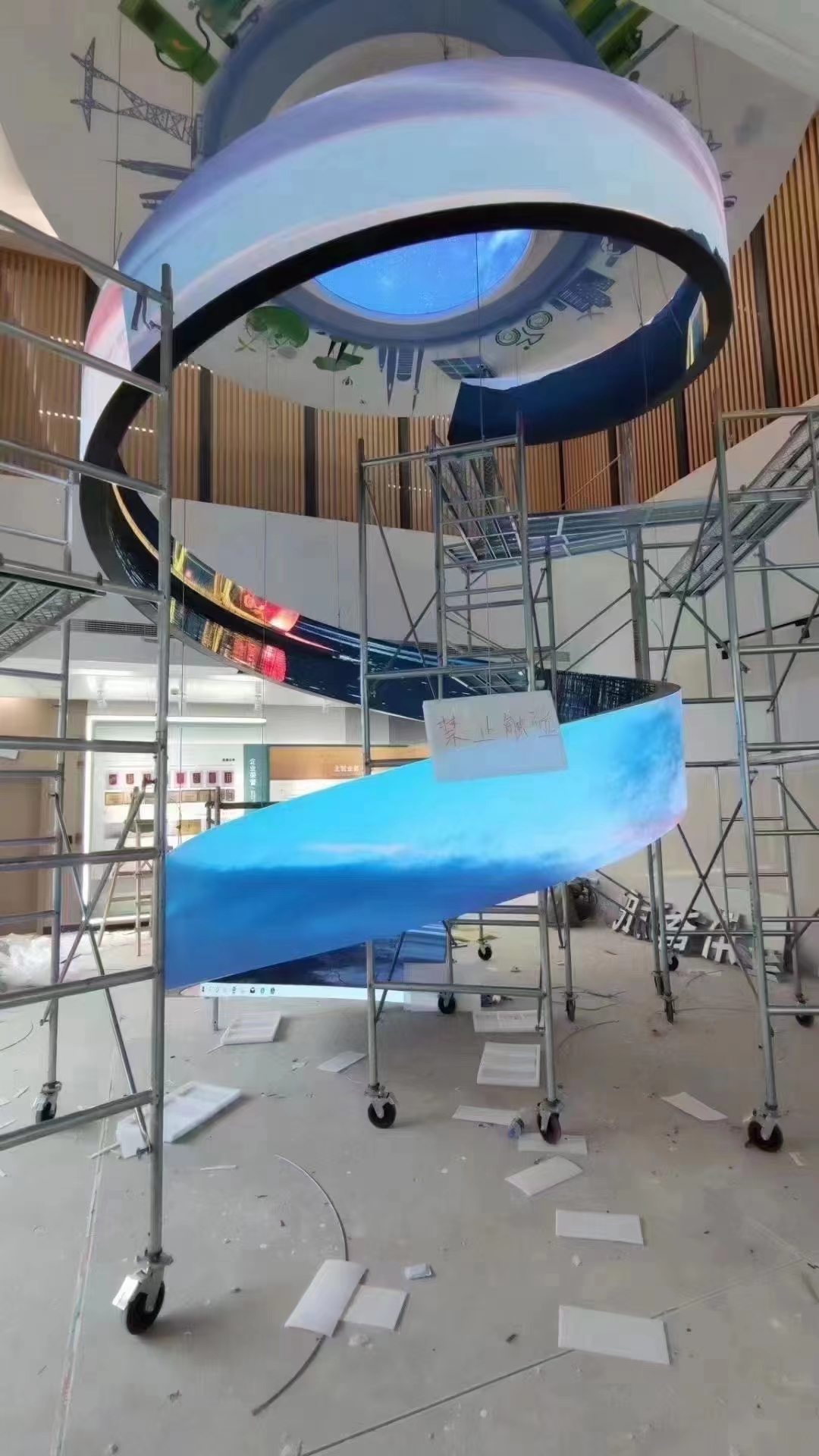
In addition, the popularity of flexible LED screens has further expanded the boundaries of creativity. The bendable and foldable characteristics enable it to be embedded in special-shaped stages, art installations and even clothing designs. At the 2023 International Consumer Electronics Show (CES), Samsung used a ring-shaped flexible screen to create a 360-degree surround product display area. The audience can see dynamic product information from any angle, and the interaction rate increased by 60%.
More worth mentioning is the rise of transparent LED screens. Its transparency is perfectly adapted to scenes such as window displays and store partitions. A high-end shopping mall in Shanghai once combined transparent screens with AR technology to allow consumers to "try on" virtual clothes in front of the window, driving a 35% increase in store traffic that month.
2. Creative empowerment: the "chemical reaction" of content and scenes
Technology is the foundation, and creativity is the soul. More and more brands are beginning to use LED displays as narrative carriers to convey brand concepts through content design. For example, at the opening event of Nike's flagship store in New York, the floor LED screen was linked with the top ring screen to create a "motion trajectory following" effect - every step taken by consumers, the ground generates dynamic ripples, and the top screen simultaneously plays inspirational clips of athletes, turning the spirit of "Just Do It" into a perceptible experience.
In the field of immersive marketing, the combination of LED display screens and XR (extended reality) technology has become a new trend. At a press conference, a domestic new energy vehicle brand used LED giant screens and real-time rendering technology to turn the stage into a "virtual highway". Vehicles shuttled through scenes such as deserts and snow-capped mountains, and with surround sound effects, the audience could experience an "immersive" test drive experience without VR equipment. Within a week after the event, the number of pre-orders for this model exceeded 5,000.
In the fast-moving consumer goods industry, the "dynamic advertising" function of LED screens is replacing traditional static posters. In Coca-Cola's outdoor advertising screen in Shibuya, Tokyo, combined with real-time weather data, the beverage bottle on the screen will "sweat" or "frost", and automatically play cool animations when the temperature is high, which will trigger passers-by to take photos and spread the brand's social topics to increase by 220%.
3. Data-driven: Accurate reach and effect quantification
The intelligent upgrade of LED display screens has evolved it from a one-way communication tool to a "data interaction terminal". Through built-in sensors and AI algorithms, the screen can capture data such as audience gender, age, and length of stay in real time, and dynamically adjust the playback content. For example, a beauty brand has set up a "skin detection" function in the LED interactive screen in the atrium of the shopping mall. After the consumer completes the test, the screen automatically recommends products and generates coupons, and the conversion rate is 4 times higher than that of traditional advertising.
On the other hand, data feedback helps brands quantify the display effect. According to the Aowei Cloud Network report, in commercial activities using LED display screens, the average audience stay time is extended to 2.3 minutes, and brand memory is increased by 45%. A mobile phone manufacturer set up an 8K ultra-high-definition LED wall at the entrance of its flagship store, played product disassembly animations in a loop, and cooperated with touchpoint interaction, which ultimately promoted a 28% increase in store entry rate and a 17% increase in sales that month.
4. Future trends: from "visual shock" to "ecological integration"
Industry experts pointed out that the next battlefield of LED display screens will focus on "ecological integration". On the one hand, 5G and cloud computing technologies promote remote real-time interaction, such as cross-city LED screen linkage and remote virtual guest interaction in concerts; on the other hand, the combination of LED screens and the Internet of Things (IoT) will make it a core node for smart retail and smart office. For example, McDonald's plans to launch a "smart menu screen" in 2024, which will recommend meal packages through facial recognition and simultaneously connect to the back kitchen system to optimize meal preparation efficiency.
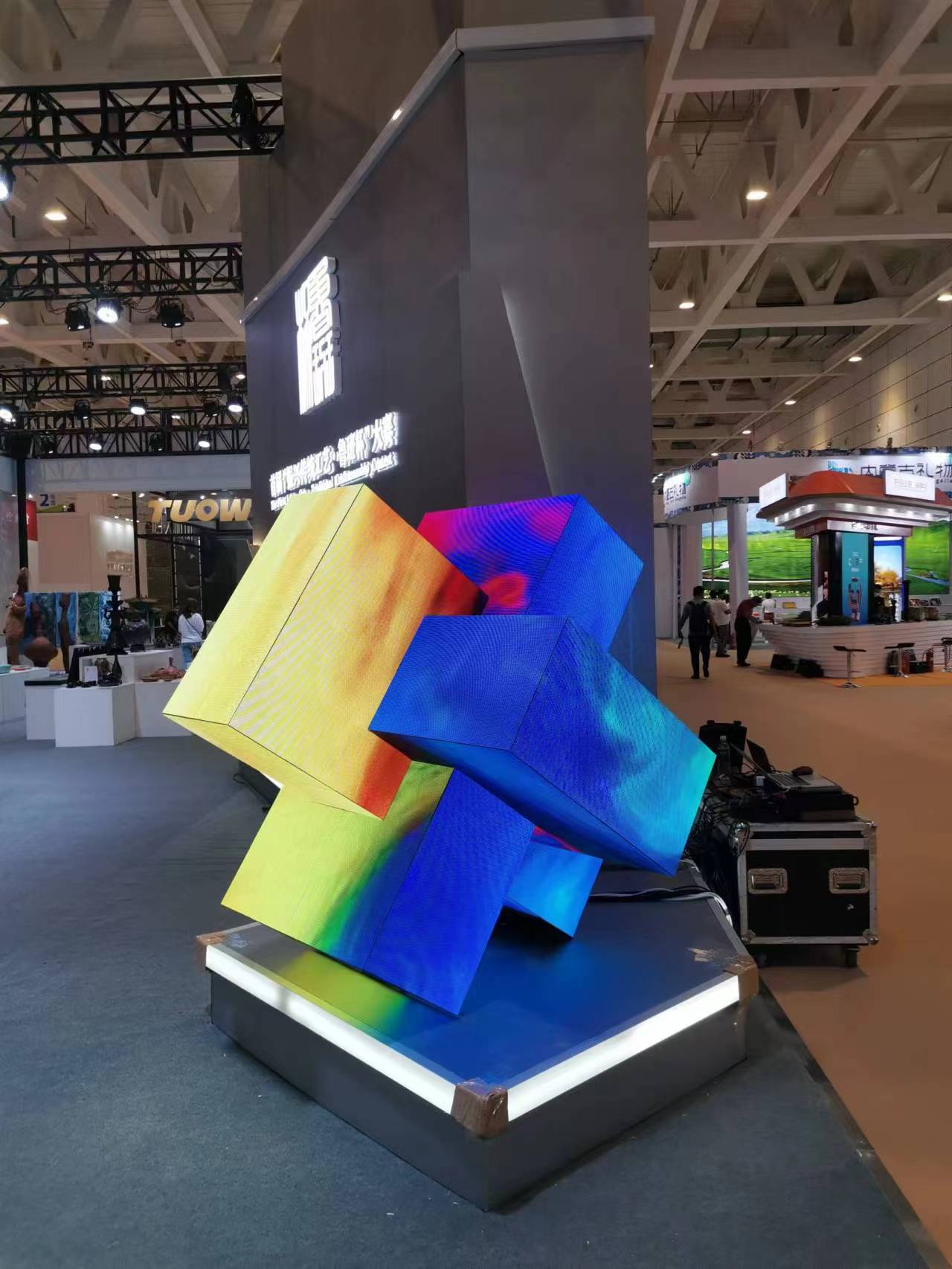
In addition, the concept of sustainable development is penetrating into the industry. Energy-saving LED screens, recyclable material modules, and low-power drive solutions have become important considerations for corporate procurement. The "zero-carbon screen" launched by Unilumin Technology has been used in many international exhibitions, reducing power consumption by 30% and carbon emissions by 50%, confirming the possibility of balancing commercial value and social responsibility.
Conclusion
From technological breakthroughs to creative explosions, LED displays are redefining the visual language of commercial activities. Its core value is not only to "attract attention", but also to transform brand information into emotional resonance for consumers through scene-based, data-based and interactive display. As the creative director of an international 4A advertising company said: "The future of commercial display will be a conspiracy between space, screen and people - and LED is the most dazzling brush in this conspiracy.
 English
 中文
中文