Creating a New Vision for Smart Travel
A Comprehensive Analysis of LED Display Installation Solutions for Airports and High-Speed Railway Stations: Creating a New Vision for Smart Travel
Located at the heart of modern transportation hubs, airports and high-speed railway stations are not only passenger hubs but also showcases of a city's image and technological strength. With the rapid advancement of digital display technology, LED displays are gradually replacing traditional static signage, becoming a key vehicle for improving information delivery efficiency and enhancing the passenger experience at these busy hubs. Faced with complex installation environments and diverse functional requirements, the strategic selection and deployment of LED displays has become a critical issue for hub managers and engineering teams.
Scenario-Based Deployment: Precisely Matching Space Requirements
Airports and high-speed railway stations have complex spatial structures, and different areas have distinct requirements for the functionality and installation methods of LED displays:
Core areas in departure halls/waiting areas: These areas experience high passenger flow and a concentrated demand for information display. Large, indoor, fine-pitch LED displays (P1.2-P2.5), with their seamless splicing, ultra-high brightness, and wide viewing angles, are the preferred choice for comprehensive information dissemination. Common installation methods include:
Recessed wall installation: The screen seamlessly blends in with the building's decorative surfaces, creating a simple and elegant overall look while saving space. These displays are often used on main information walls or promotional areas. Large-scale ceiling-mounted installation: Suitable for hubs with ample ceiling height, screens are suspended above passengers' primary sightlines, providing an unobstructed view and becoming the focal point of the space.
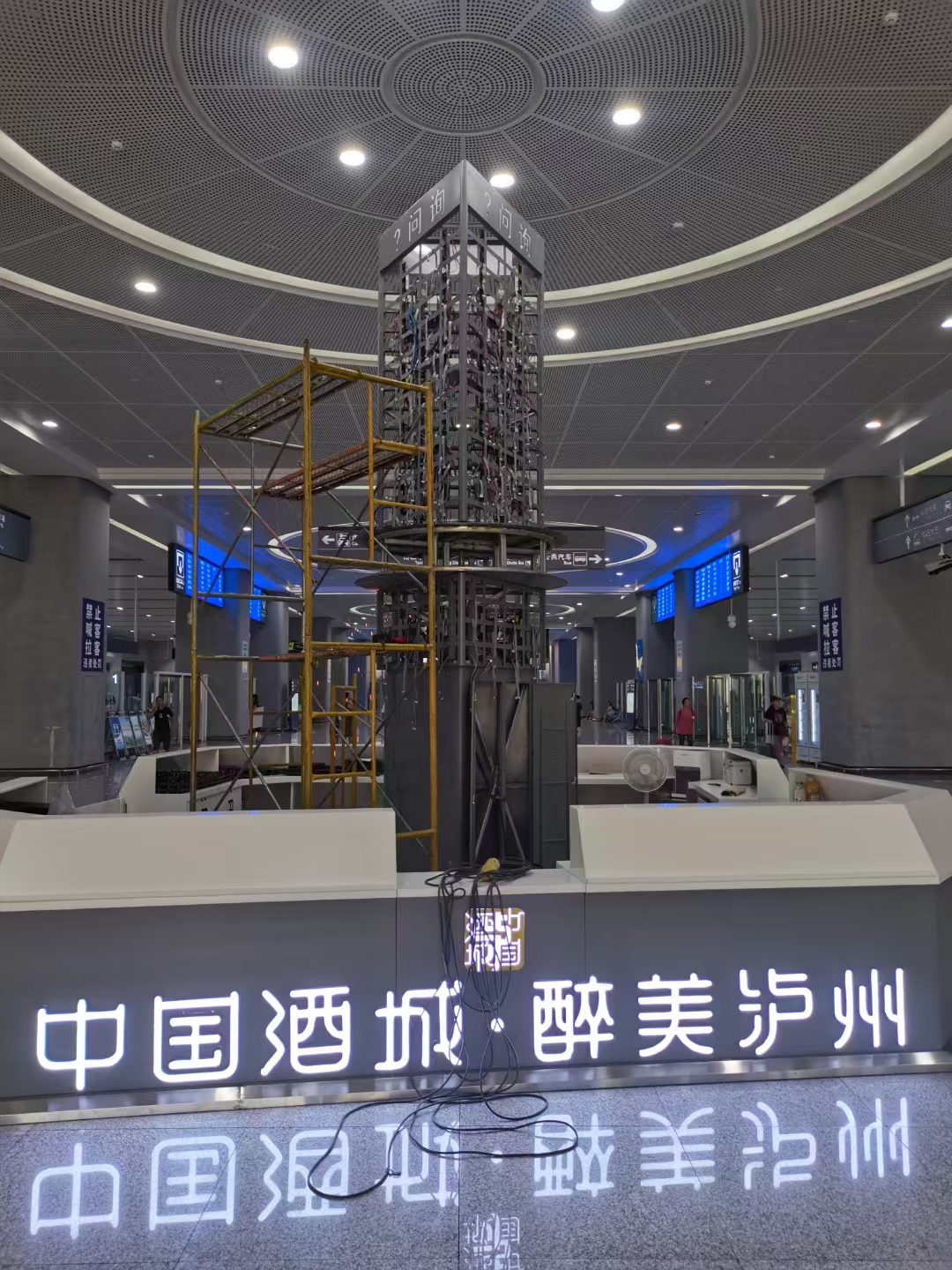
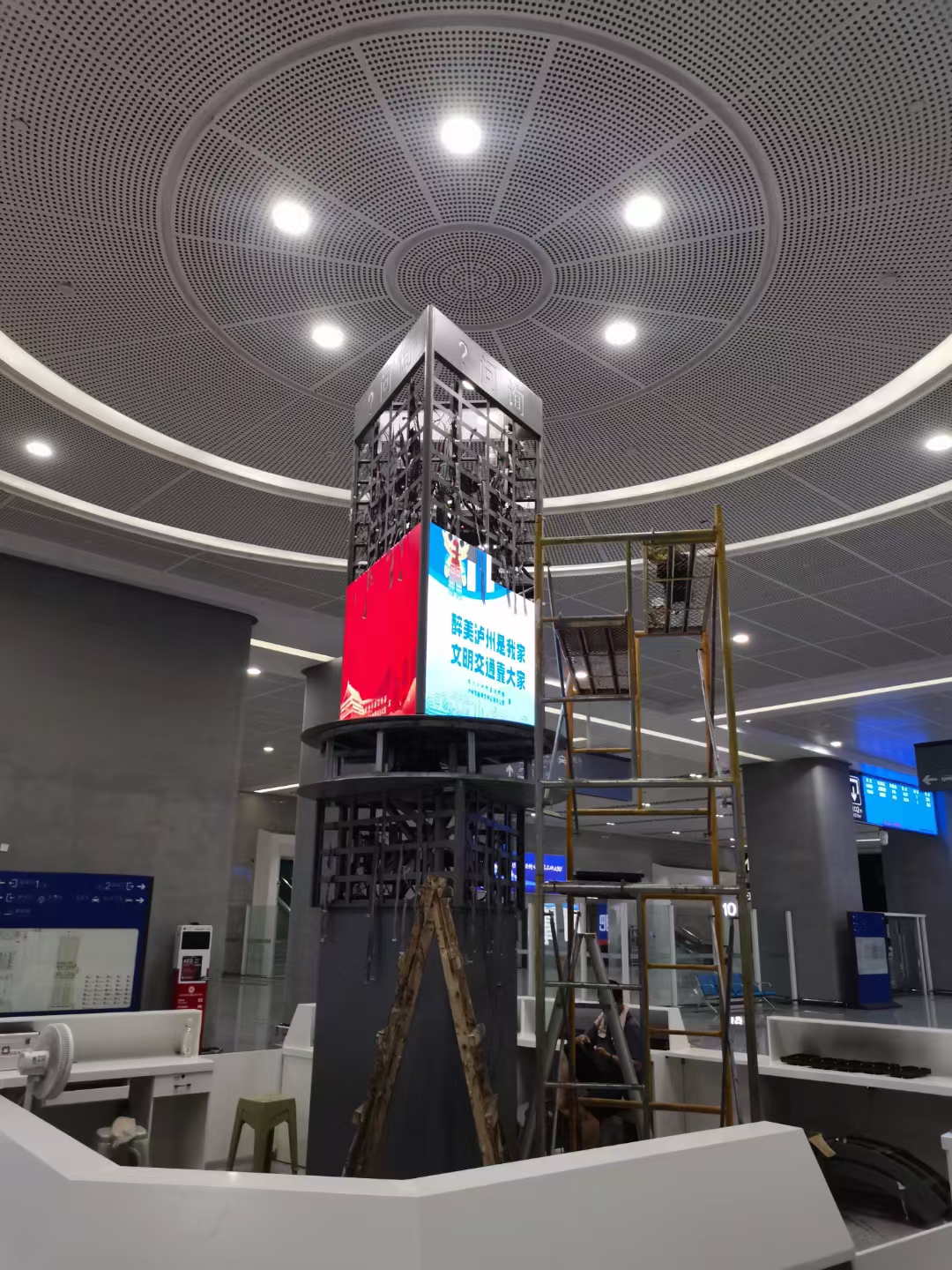
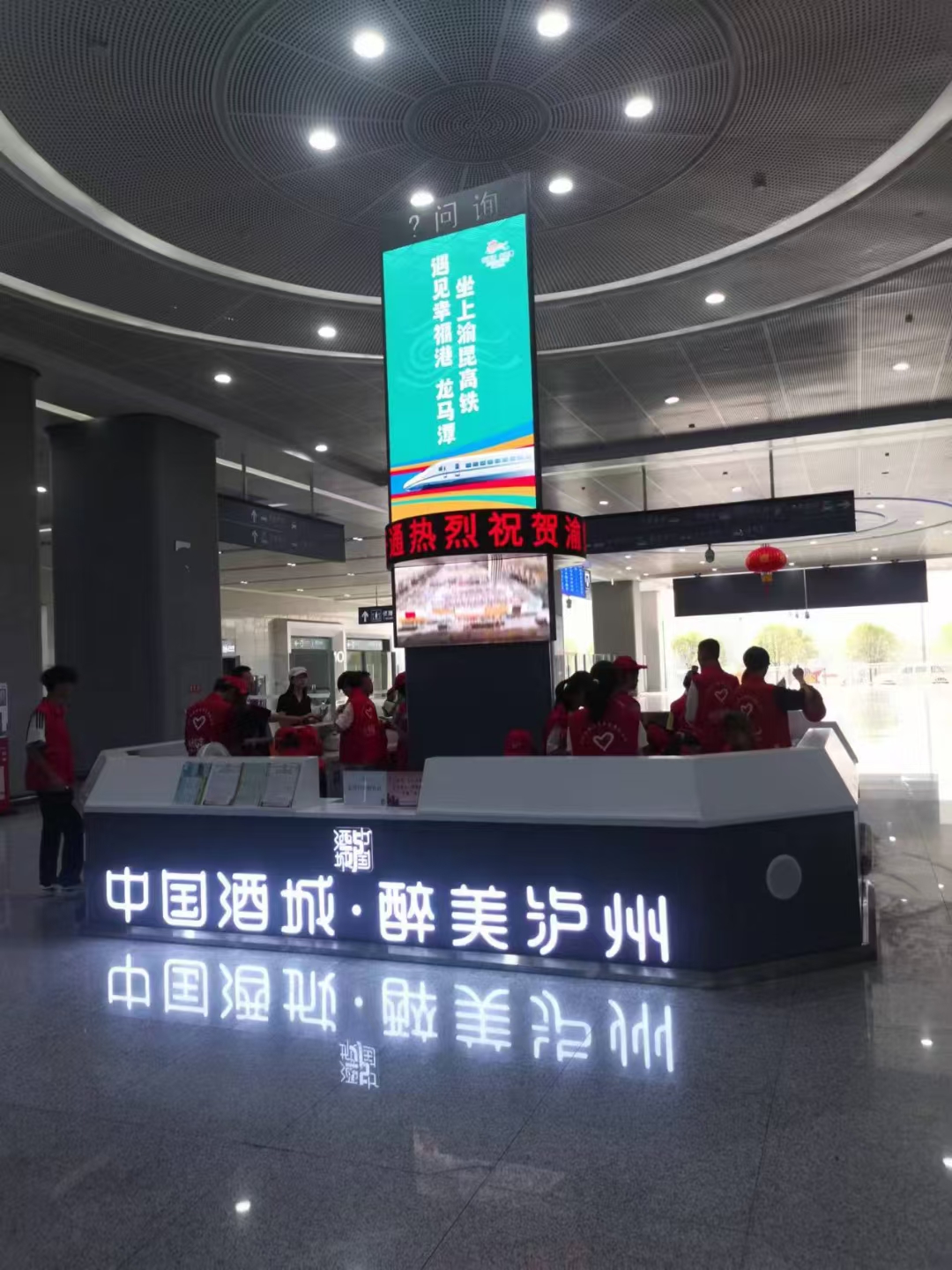
Innovative column-wrap installation: Utilizing the hall's load-bearing columns, this system displays flight and train information in a 360-degree angle, maximizing space utilization and ensuring comprehensive information coverage.
Above the check-in counter/ticketing area: Passengers check in here and require clear guidance. Bar screens (long LED display units) or medium-pitch LED screens (P2-P3), either ceiling-mounted or wall-mounted, provide real-time information such as counter status and flight schedule changes, effectively guiding passenger flow.
Security checkpoints/ticket gates: Efficiency is key. Bar screens or small information screens, wall-mounted or flush-mounted, are located above or to the sides of the aisle, providing information on clearance status and precautions, ensuring a smooth process.
Baggage claim area: Passengers gather and wait. Medium-sized indoor LED screens (P2-P3) are typically mounted on the wall opposite the carousel, highlighting the baggage carousel number and flight number to reduce passenger anxiety.
Arrival aisles/exit gates: Guide passengers to evacuate quickly. Double-sided LED screens or strip-shaped screens, either suspended or mounted on pillars, simultaneously serve arriving passengers (providing exit and transportation guidance) and meeting personnel (displaying arrival information), improving space efficiency.
Retail/dining areas: Combine commercial value with creating an atmosphere. Curved screens, transparent screens (with a transparency of over 70% without affecting lighting and sightlines), or high-definition poster screens (P1.5-P2.5), creatively mounted on ceilings, hanging walls, or floor-standing locations, can display advertisements, promotional videos, and entertainment content, enhancing commercial vitality.
Outdoor plazas/facades: Provide image promotion and long-distance information transmission. Large-area, fixed-mount outdoor LED screens with a high IP65 rating are securely mounted on independent foundations on building facades or plazas via heavy-duty steel frames. They are wind-resistant, earthquake-resistant, and weather-resistant, clearly displaying welcome messages, important announcements, or city videos day and night.
Technology Selection: A perfect match between performance and the environment
Choosing the right product technology is fundamental to project success:
Pixel Pitch (P Value): Follow the principle of "viewing distance determines pixel density." For close viewing distances (check-in and security), choose a smaller pitch (P ≤ 1.8). For longer viewing distances (departure hall main screens and outdoor screens), choose a larger pitch (P ≥ 2.5), balancing performance with cost.
Brightness and Contrast: Indoor environments require high ambient light (glass curtain walls transmit light), so choose a screen with high brightness (≥ 1000 nits) and high contrast to ensure sharp images. Outdoor screens require even higher brightness (≥ 6000 nits) to withstand strong direct sunlight.
Reliability is paramount: Transportation hubs require 24/7 uninterrupted operation. It's crucial to select high-quality LEDs from reputable brands, redundant power supplies, and receiver card designs with efficient heat dissipation (either air conditioning or forced air cooling systems) and dust and moisture resistance (IP54 indoor/IP65 outdoor).
Content Management Capabilities: An intelligent broadcast control system that supports centralized control, zoned playback, and emergency interruptions is the nerve center of efficient hub operations. It must be compatible with multiple signal sources to ensure the accurate and real-time distribution of critical information such as flight schedules.
Installation Practices: The Iron Rule of Safety and Compliance
Installation projects in complex environments present numerous challenges:
Structural safety first: Before installation, the building's load-bearing capacity must be assessed by a professional organization. Large screens (especially those hoisted) require the design of an independent, load-bearing steel structure. All plans must comply with national building load, seismic, and fire protection standards (such as GB 50009, GB 50011, and GB 50222).
Strict Fire Protection Requirements: Especially for indoor screens, materials (modules, power supplies, cables, etc.) must strictly meet flame retardant standards (such as UL94 V-0), and cables must use fire-resistant or flame-retardant conduits.
Heat Dissipation and Operation and Maintenance: Adequate heat dissipation channels must be designed, and large screens must have rear or front maintenance space (maintenance channel width is generally ≥ 0.8 meters) to ensure safe and convenient maintenance.
Electromagnetic Compatibility (EMC): Equipment must comply with EMC standards (such as GB/T 17626) to avoid interference with sensitive communication and navigation systems in airports and high-speed rail systems.
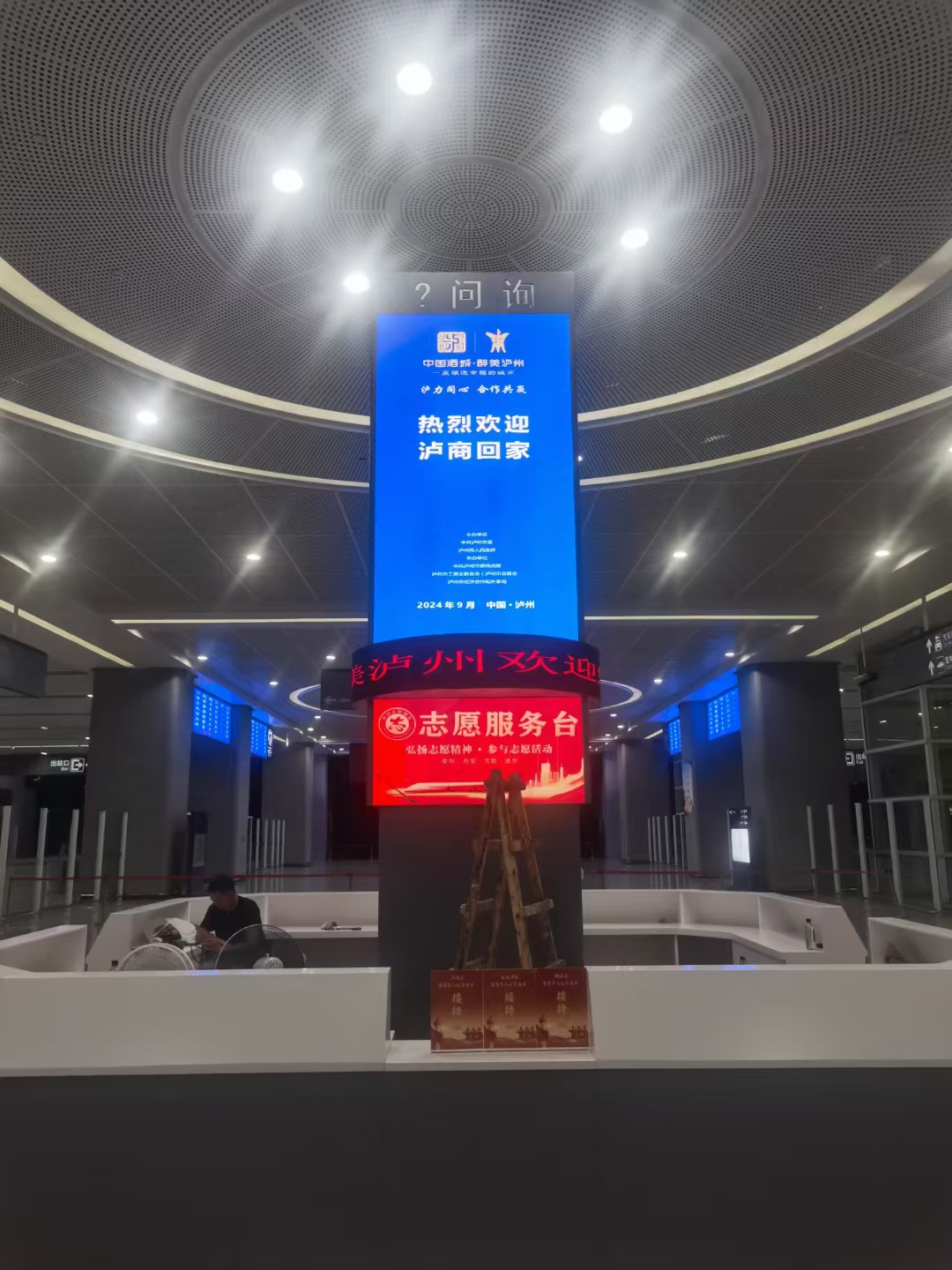
Professional Construction: Construction must be carried out by a team with professional qualifications and experience in high-altitude work and electrical engineering to ensure safety and quality workmanship.
Future Vision: Smart Interaction Leads to an Elevated Experience
Technological evolution is continuously expanding the application boundaries of LED screens in transportation hubs:
5G + 8K Ultra HD: Powered by 5G networks, 8K Ultra HD LED screens will present an unprecedented visual feast, revealing every detail.
Glasses-Free 3D Creative Storm: Stunning 3D effects without glasses will become a new hub landmark, significantly enhancing visual appeal and information delivery efficiency.
Interactive Experience Upgrade: Integrating touch, facial recognition, and sensor technologies, the LED screen will transform into an intelligent service terminal, providing personalized navigation, information query, and interactive entertainment.
Deep IoT Integration: Deeply integrated with flight/train information systems, security systems, and commercial point-of-sale (POS) systems, enabling automated information dissemination, passenger flow guidance, and business intelligence collaboration.
Terminal T3 of an International Airport: LED Smart Display Empowers Efficient Travel
Terminal T3 of a major domestic international airport recently completed a comprehensive information display system upgrade, becoming a model for using LED displays to enhance the smart travel experience.
Entering the grand departure hall, passengers' eyes are immediately drawn to a massive curved LED display in the center. This screen, utilizing advanced fine-pitch (P1.5) technology, is securely suspended above the check-in area via a sturdy and sophisticated steel structure. Their ultra-high brightness and seamless display clearly convey a wealth of flight information, check-in counter status, and real-time airport announcements to every passenger, even amidst the abundant natural light flowing through the terminal's transparent glass curtain walls. The screens smoothly play high-definition promotional videos, creating a dynamic window into the city's charm.
In the check-in area, the airport innovatively utilizes long, linear LED information screens. These screens are cleverly integrated into the decorative paneling above the check-in counters, blending seamlessly into the overall environment. They visually display the availability of each counter, the flight numbers currently being processed, and important reminders, effectively guiding passengers, significantly improving check-in efficiency and reducing confusion during queues.
Security checkpoints are key nodes for ensuring safety and efficiency. Here, small, yet highly visible, square LED information screens are precisely mounted above each security lane. They provide real-time updates on lane status ("Checking," "Passing," or "Out of Service") and loop through illustrations of security checkpoint instructions and prohibited item reminders. The intuitive visual guidance ensures a smooth and organized flow.
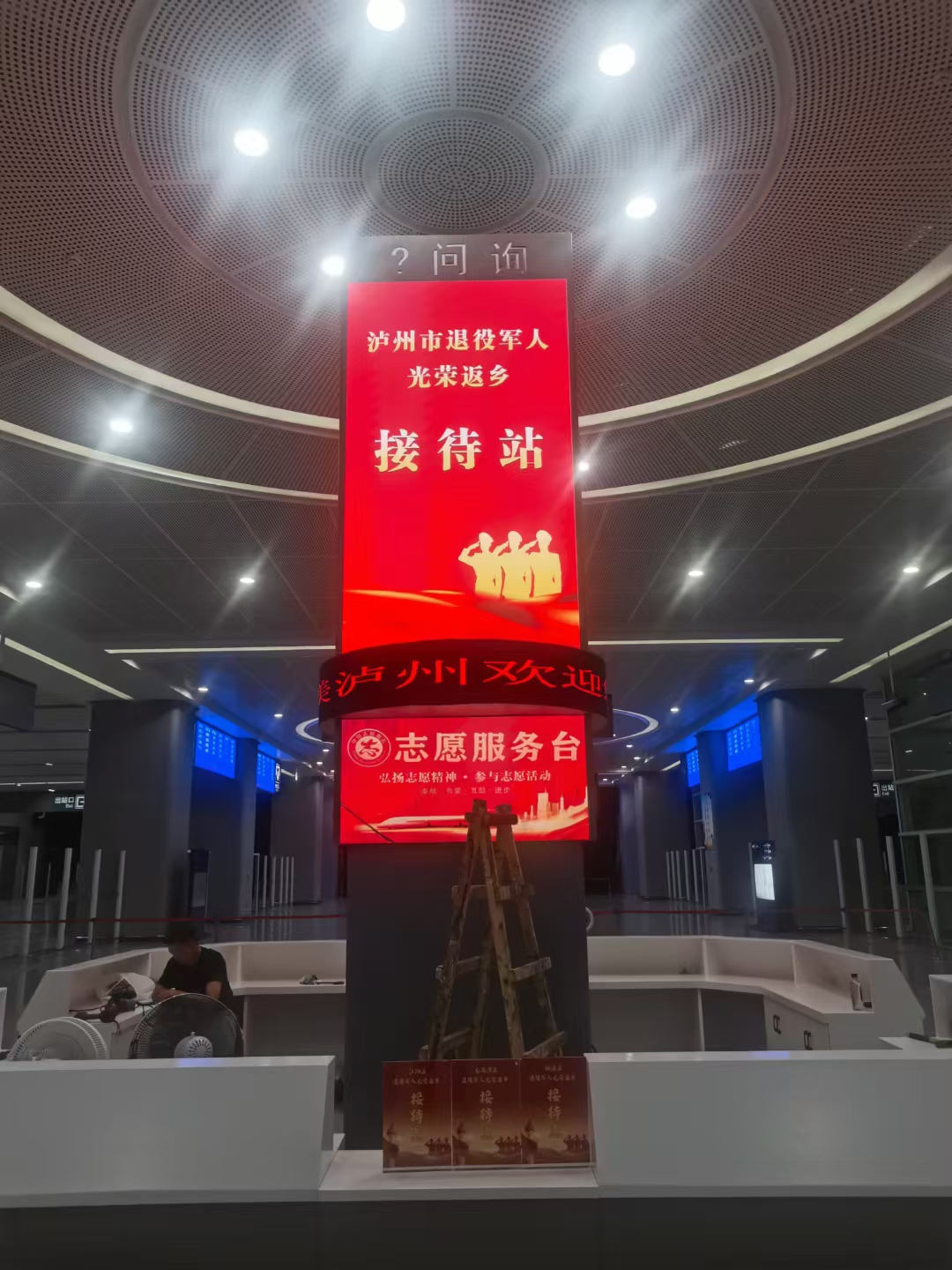
Passengers arriving at the baggage claim hall no longer need to anxiously wait. A medium-sized indoor LED screen (P2.0) is mounted high on the opposite wall, corresponding to each baggage carousel. Its high-contrast image ensures passengers can clearly see the carousel number, corresponding arrival flight number, and baggage claim status from a distance and at various angles, greatly alleviating any anxiety while waiting.
The airport project manager stated, "This comprehensive upgrade of the LED display system is far more than a simple equipment replacement. It's a precise design and deployment based on a deep understanding of the characteristics of the airport's functional areas, passenger flow patterns, and core information delivery requirements. From product selection (spacing, brightness, and reliability) to installation methods (hanging, embedded, or wall-mounted), and deep integration with the airport's flight information system, every step has been meticulously refined. The goal is to build a comprehensive, multi-layered, intelligent visual information network, ultimately serving to improve passenger travel efficiency and satisfaction."
This airport's successful implementation clearly demonstrates that the selection and installation of LED displays in large transportation hubs like modern airports and high-speed rail stations is a comprehensive discipline that integrates spatial planning, visual communication, engineering technology, and intelligent management. Only by deeply understanding scenario requirements, rigorously controlling technology selection, adhering to safety regulations, and proactively embracing interactive and intelligent trends can these "smart eyes" truly illuminate an efficient and enjoyable modern travel experience and continuously empower smart city gateways.
 English
 中文
中文