From cost to performance- What factors do companies pay most attention to when purchasing LED displa
Analysis of the core factors of enterprises' purchase of LED display screens
Under the wave of digital transformation, LED display screens have become an important tool for corporate brand display, information transmission and scene creation. Faced with hundreds of product solutions on the market, corporate procurement decisions need to find a precise balance between cost control and performance requirements. This article will analyze the decision logic of enterprises in purchasing LED display screens from the core cost dimension, key technical performance and extended service level.
1. Triple considerations of cost dimension
Initial procurement cost
Enterprises first pay attention to the unit price cost of the display screen, including module price, control system and supporting hardware costs. Taking P2.5 indoor screen as an example, the mainstream brand quotes are in the range of 8000-12000 yuan/㎡, while high-end COB package products may be 30%-50% higher. The purchaser needs to choose the appropriate technical route according to the budget scale to avoid waste of funds caused by over-configuration.
Life cycle cost
Mature enterprises pay more attention to TCO (total cost of ownership) calculation:
Energy consumption cost: The average daily power consumption of each square meter of display screen is about 0.5-1.2 degrees
Maintenance cost: The maintenance cost of conventional products in 3 years can reach 15%-25% of the purchase price
Upgrade cost: The compatibility of the control system directly affects the future expansion cost
Hidden cost control
Including the engineering cost of installation and commissioning, transportation insurance costs and the risk of goodwill loss due to failure. The screen body with front maintenance design can reduce the subsequent maintenance cost by more than 30%.
2. Decision matrix of performance parameters
Display quality baseline
Pixel pitch: P1.2-P3.0 for indoor scenes, P4-P10 for outdoor scenes are the mainstream choices
Brightness level: 800-1500nit indoors, 5000-8000nit outdoors to meet different lighting requirements
Refresh rate: 3840Hz or above can eliminate shooting moiré
Color gamut coverage: NTSC More than 110% to ensure color reproduction
Environmental adaptability index
IP65 protection level becomes standard for outdoor screens
-30℃ to +60℃ operating temperature range to ensure stability in extreme climates
Wind pressure resistance design must meet the 12-level typhoon standard
System reliability verification
MTBF (mean time between failures) should reach more than 50,000 hours
Support 7×24 hours of continuous operation
Pixel failure rate is less than 0.0001%
3. In-depth extension of service value
Technical solution customization capability
Head suppliers can provide:
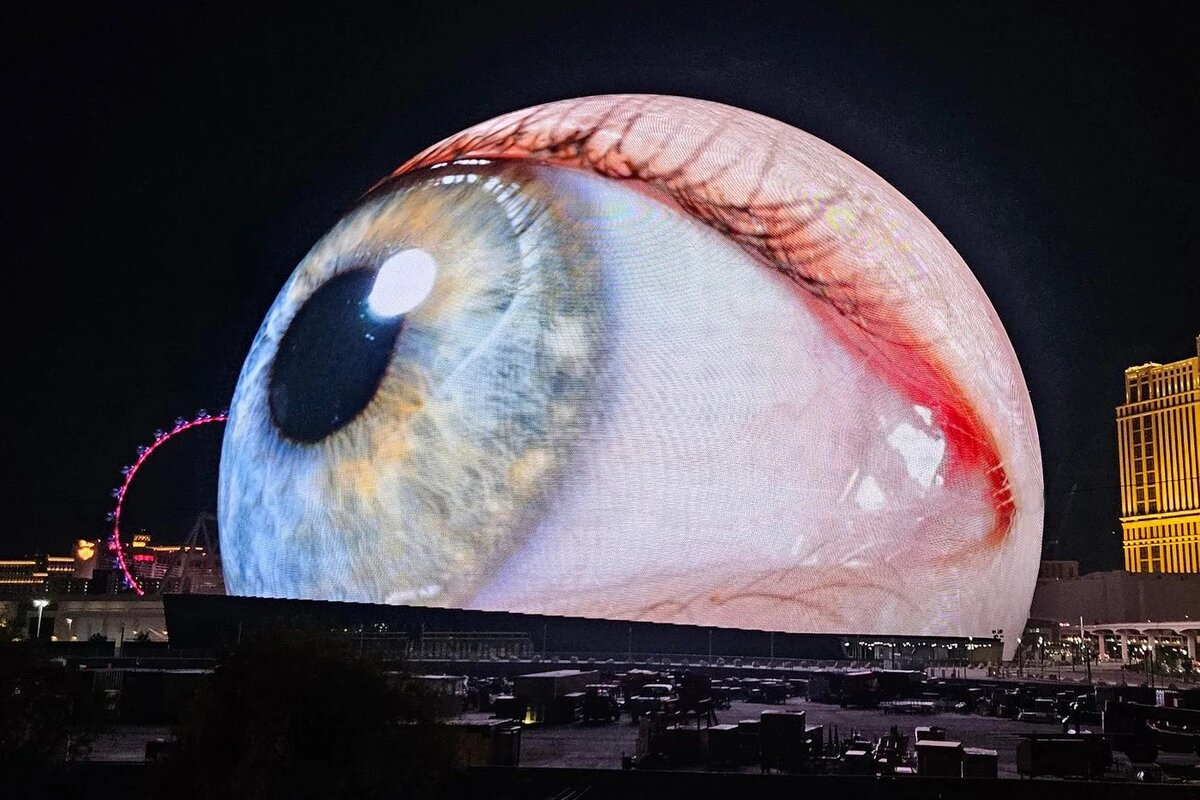
Special-shaped splicing design (arc/cylindrical/wave shape)
AR/VR interactive fusion solution
Ambient light adaptive adjustment system
Full-cycle service system
48-hour emergency response mechanism
Remote diagnosis system coverage exceeds 90%
More than 5 years of spare parts supply guarantee
Data value-added service
Some manufacturers have begun to provide:
Playback content Content management system
Traffic flow data collection and analysis
Energy efficiency monitoring optimization suggestions
IV. Industry application scenario analysis
Retail field: pay more attention to color reproduction (ΔE<3) and viewing angle range (170°+)
Traffic control: emphasize system redundancy design and millisecond response speed
Cultural and sports venues: require refresh rate above 3000Hz and 8K resolution
V. Decision model suggestions
It is recommended that enterprises adopt the "3C+3P" evaluation model:
Cost, Capability, Compatibility
Productivity, Protection, Partnership
Through the quantitative scoring system, the technical parameters are converted into commercial value indicators, and the optimal solution with a return on investment cycle of 18-36 months is finally selected
 English
 中文
中文