LED inner dome screen-a commercial revolution that lights up the sky
LED inner dome screen: a commercial revolution that lights up the sky
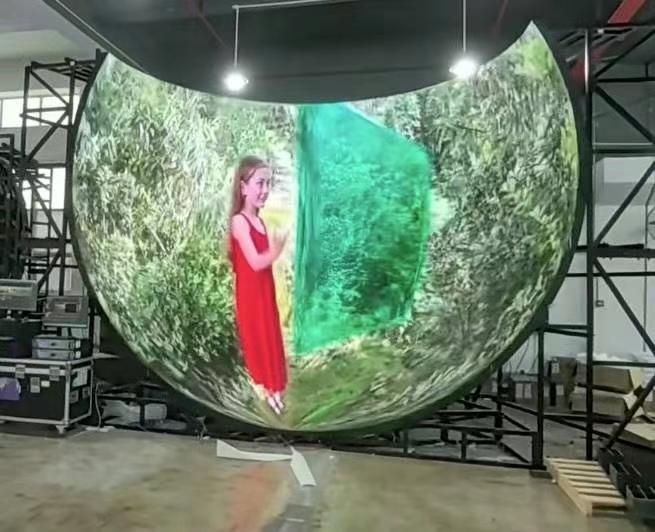
When visitors step into the cosmic theater of the new Beijing Planetarium, a huge "planet" with a diameter of 18 meters slowly lights up. The nebula at 8K resolution is like flowing silk, and the ultra-wide viewing angle makes the audience seem to be suspended in the center of the galaxy - this is not a science fiction movie, but a real spectacle created by LED inner dome screen technology. The "dome black technology" that once belonged only to high-end scientific research institutions is reshaping the business landscape at an astonishing speed, becoming an "eye-catching weapon" that cultural tourism, popular science and commercial spaces are competing for.
Immersion is king: the explosion engine of commercial value
The core charm of the LED inner dome screen lies in its unparalleled sense of immersion. Unlike traditional flat screens or projection splicing, it creates a complete spherical space that wraps the audience's field of vision. Market research data shows that in venues using inner dome screens, the average stay time of visitors has increased by more than 40%, and the repeat visit rate has increased by nearly 30%. This "experience that cannot be taken away" has become a key barrier for offline spaces to fight against online entertainment.
Its commercial premium ability is also significant. After a newly built science and technology museum in Shanghai introduced an inner dome, the ticket price for a single session was 50% higher than that of an ordinary exhibition hall, and the reservation schedule continued to be full. For shopping malls, a well-designed inner dome device can drive a 15%-25% increase in the customer flow of surrounding merchants, becoming a veritable "customer flow engine". The "Interstellar Exploration" dome experience area built on the top floor of a commercial complex in Shenzhen drove a 18% month-on-month increase in sales in the first month of its opening.
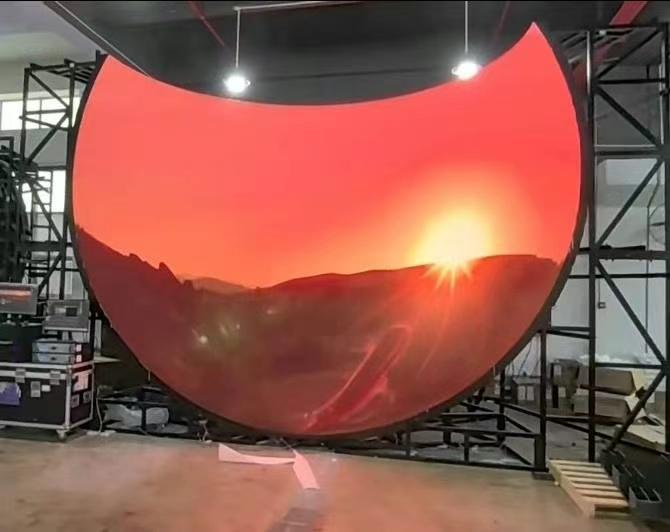
The improvement of operational efficiency should not be ignored either. Traditional domes rely on high-brightness projection and complex fusion technology, with large equipment, amazing energy consumption and cumbersome maintenance. The new generation of LED inner dome adopts a modular design, supports front maintenance, reduces power consumption by more than 30%, and greatly improves stability. The P1.2 micro-pitch spherical module of a leading manufacturer reduces maintenance hours by 60% while ensuring seamless display, significantly reducing long-term operating costs.
Hardcore evolution: technological breakthroughs create the cornerstone of experience
The commercial explosion of inner domes is rooted in the disruptive breakthrough of LED display technology. The mature application of micro-pitch LED (below P1.5) is a key turning point. The extreme compression of pixel pitch allows the delicate picture quality to be presented even at a close distance of several meters, which completely solves the "graininess" problem of the early dome screen. Leading domestic manufacturers such as Unilumin and Leyard have been able to stably mass-produce special LED panels with P1.2 or even smaller pitch suitable for complex curved surfaces.
The core challenge of curved display is how to make the rigid module fit the spherical surface perfectly. The industry innovatively introduces elastic connection structure and precision curvature algorithm to ensure that each module can be installed on the target curvature radius with a perfect fit. At the same time, in order to solve the problem of spherical image deformation, advanced real-time geometric correction and color consistency management technology are indispensable. By equipping with a dedicated processing engine, the input signal can be dynamically compensated at the millisecond level to ensure that the picture is uniform from the North Pole to the equator.
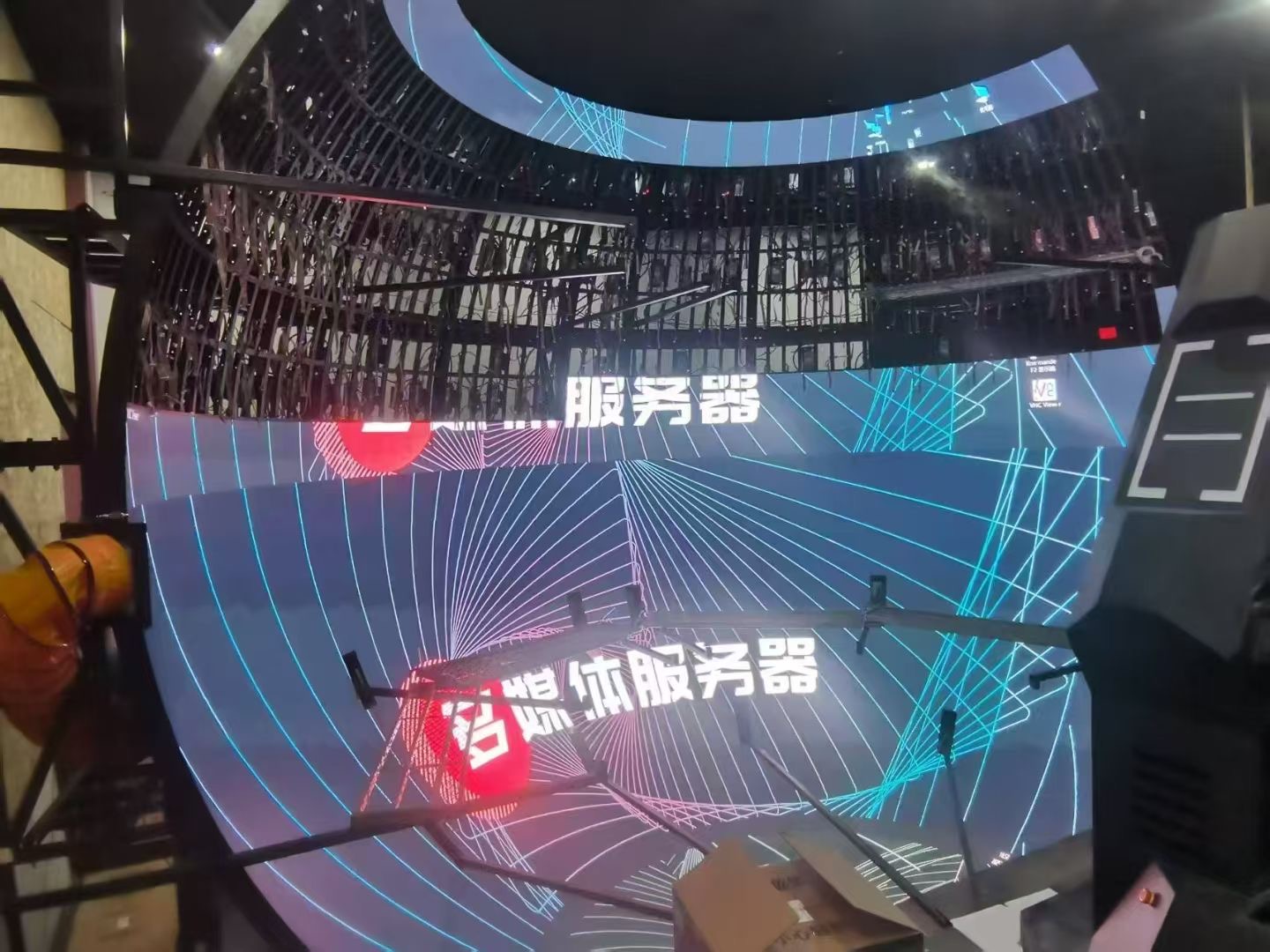
Scene fission: from looking up at the stars to benefiting all things
Planetariums and science and technology museums used to be the traditional home of the inner dome, but the application boundaries are expanding rapidly:
High-end cultural and tourism landmarks: Theme parks combine domes with dynamic platforms to create "flying theaters". Zhuhai Chimelong Ocean Kingdom uses domes to build deep-sea wonders, and the number of tourists has increased by 22% annually.
Empowerment of commercial space: The giant dome in the atrium of the shopping mall has become a new carrier for art curation and brand flash. The suspended dome installation of Chengdu SKP regularly stages digital art shows, and the number of social media check-ins has exceeded one million.
Popular science education sinks: Mobile small and medium-sized domes enter campuses and communities, and the cost is greatly reduced. Guangdong Province's 100-school science popularization project has deployed nearly 100 mobile dome systems.
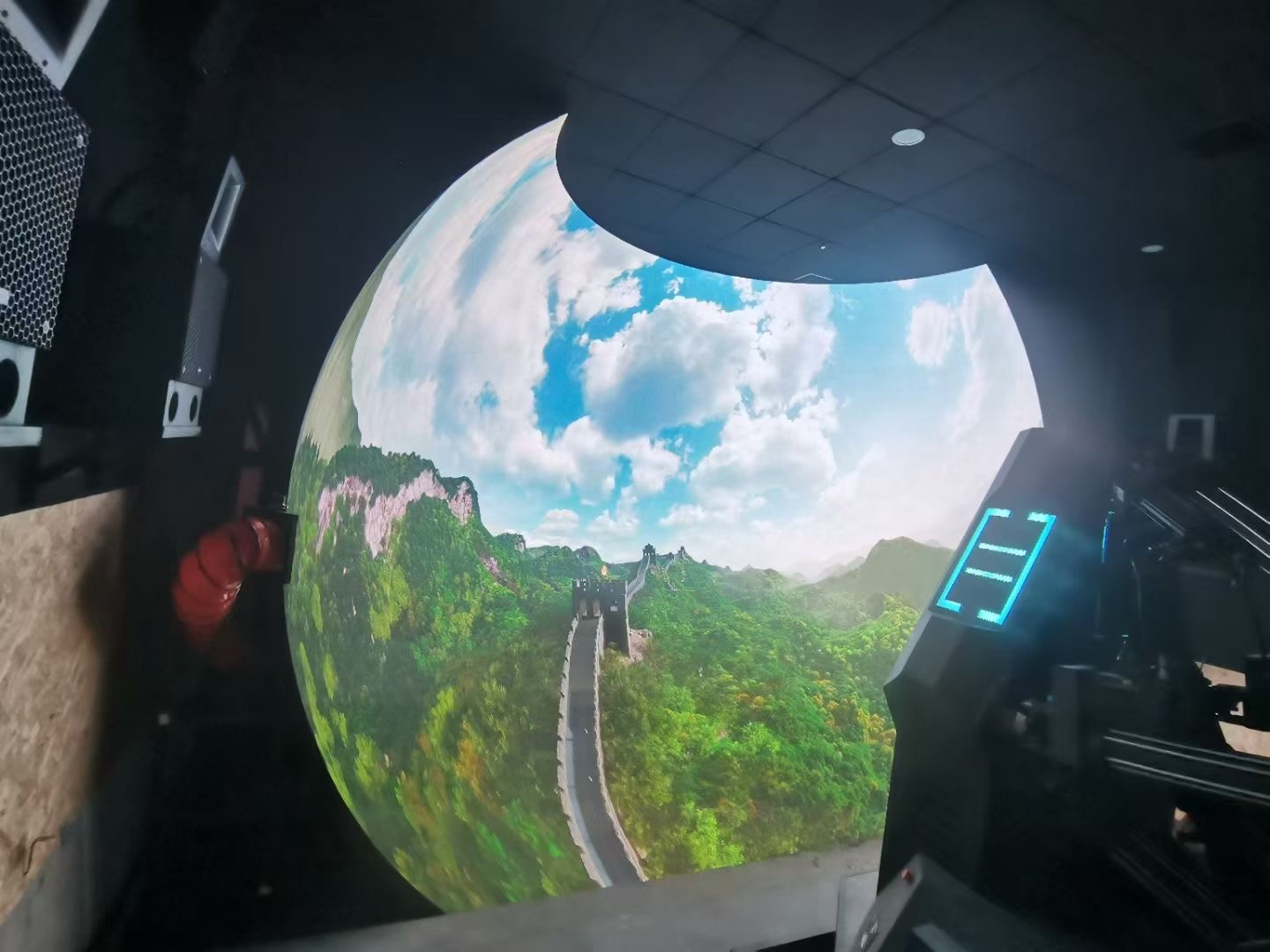
Upgrade of corporate display: Auto brands use it for new car virtual cockpit demonstrations, energy companies simulate the panoramic view of future smart cities, and immersive reports improve communication efficiency.
Challenges remain, and the future has set sail
Despite the bright prospects, there are still obstacles on the road to popularization. The high initial investment cost (the cost per square meter can be several times that of ordinary screens), the extremely high requirements for customized installation and debugging, and the relative lack of exclusive content for high-quality dome screens are all bottlenecks that the industry urgently needs to break through in a collaborative manner.
However, technological evolution never stops. Flexible LED, transparent display, and deep coupling with XR (extended reality) are injecting imagination into the next generation of dome screens. Experts predict that in the next five years, innovative forms such as lightweight, foldable, and even aerosol projection may appear, further reducing costs and broadening application scenarios.
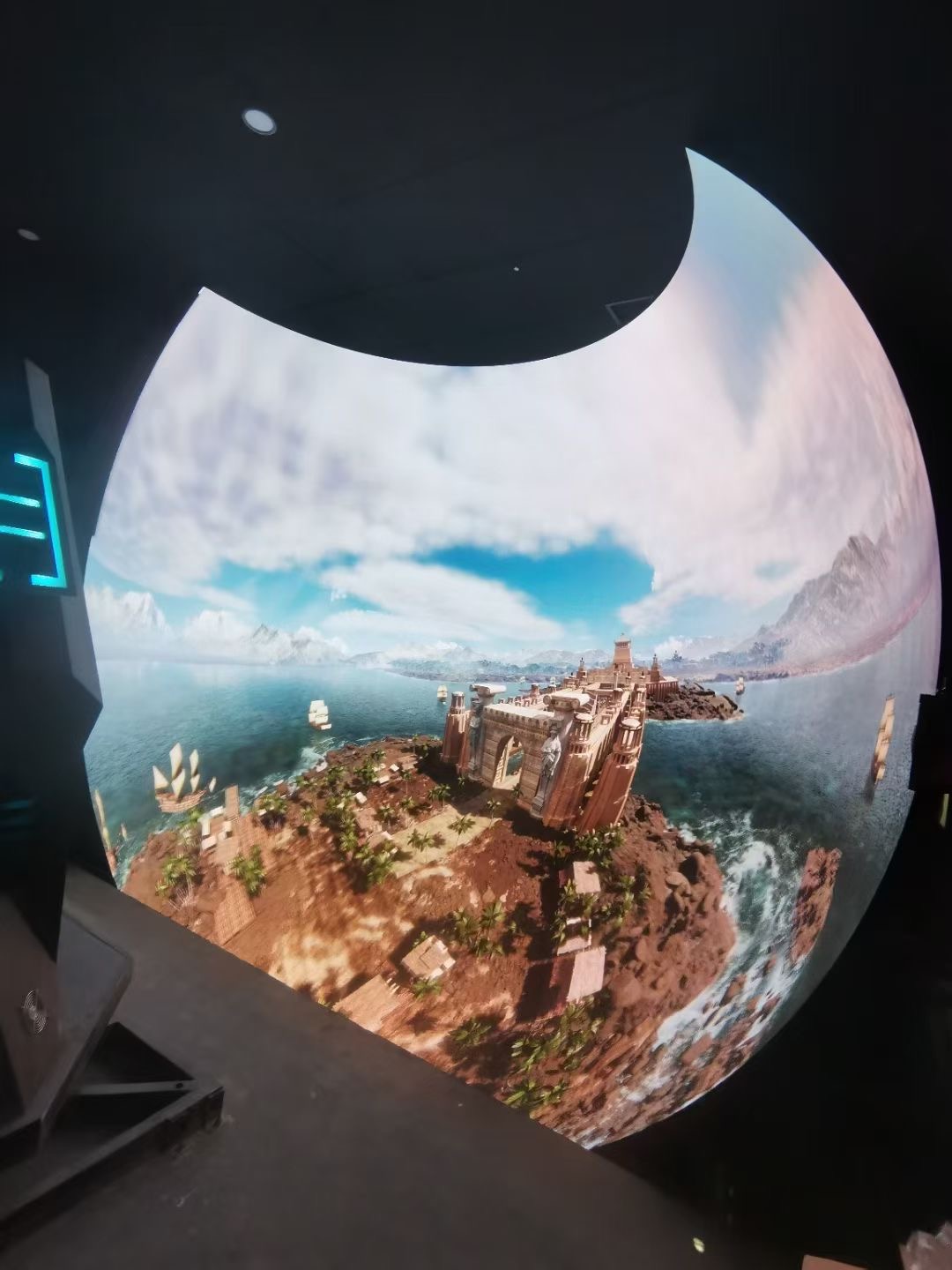
From out of reach to within reach, the rise of LED dome screens is a breakthrough in visual boundaries. It is not only a manifestation of technical hard power, but also a profound change in business logic in the era of experience economy-when the screen evolves from "seeing" to "immersion", the value of space is infinitely reconstructed. This sweeping "sky revolution" is redefining the way we perceive the world and reshaping the future landscape of countless industries. The next time you look up at the stars, it may be under a dome in the center of the city.
 English
 中文
中文