The Complete Guide to Professional Outdoor LED Display Design & Environmental Integration
Conquering the Outdoors: The Complete Guide to Professional Outdoor LED Display Design & Environmental Integration
In the ever-changing outdoor environment, a successful LED display is not just a showcase of visual technology; it is a comprehensive test of engineering design, environmental science, and applied aesthetics. Unlike indoor settings, outdoor displays must directly confront the challenges of scorching sun, torrential rain, strong winds, temperature fluctuations, and corrosion. Their design philosophy elevates from "functional implementation" to "environmental conquest." This article systematically analyzes the core elements of professional outdoor LED display design and the critical principles of installation environment adaptation, ensuring your outdoor media project combines exceptional visual performance with long-term, reliable operation.
Part I: The Pillars of Professional Outdoor LED Display Design
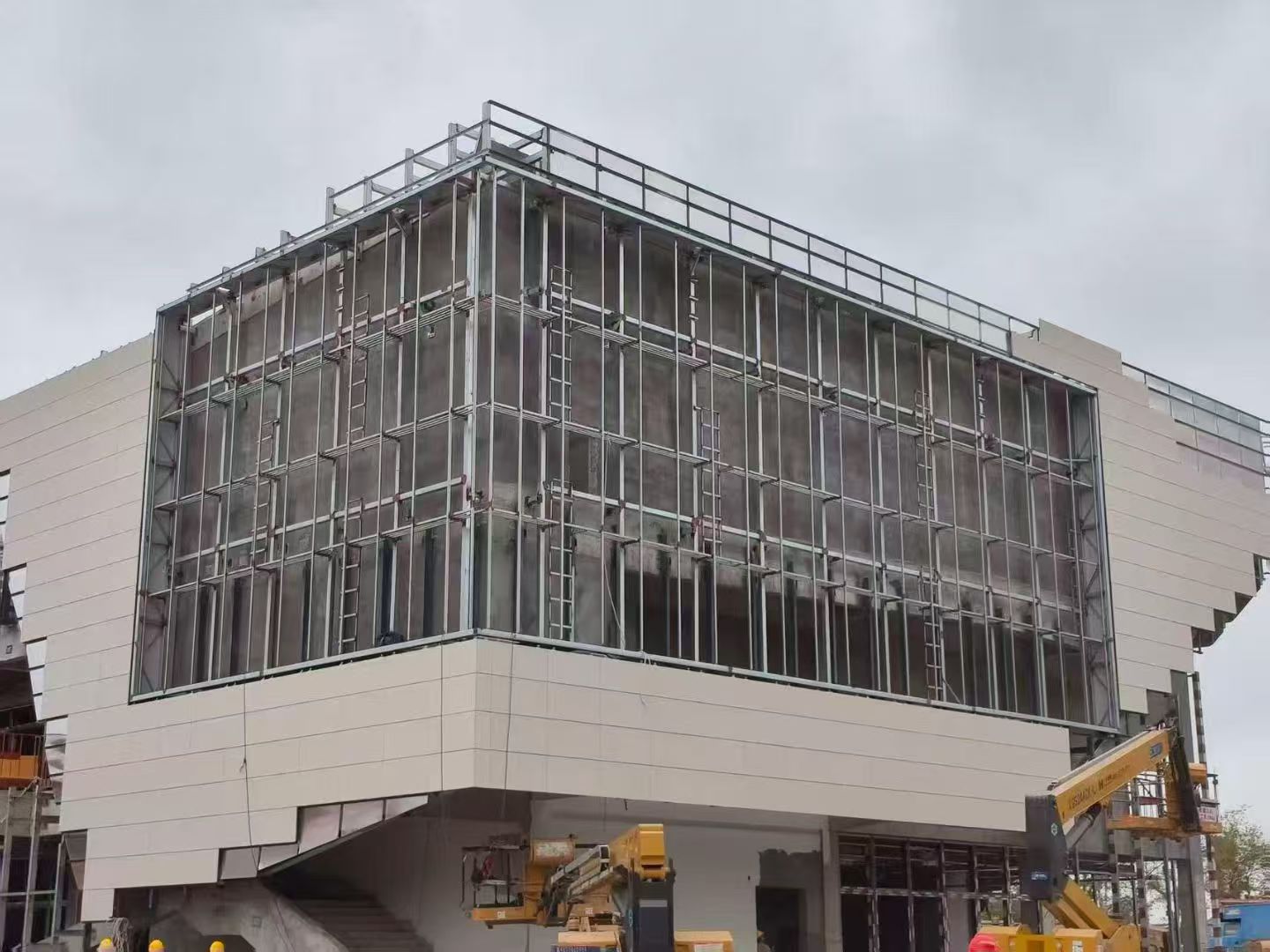
Outdoor display design is a systems engineering project that goes far beyond selecting high-brightness modules. It requires translating environmental stresses into design parameters.
Pillar 1: Environmental Adaptability Design of Core Hardware
This is the foundation for ensuring the display's "survival," focusing on protection, heat dissipation, and visibility.
Precise Definition of Protection Rating (IP Rating):
Water & Dust Proofing (IP65/66 is Standard): IP65 protects against low-pressure water jets, IP66 against powerful jets. For large screens directly exposed to storms or coastal environments, waterproofing craftsmanship at key points (e.g., cabinet seams, module joints) is critical. Fully sealed die-cast aluminum cabinets are recommended, supplemented with professional waterproof gaskets and structural drainage design.
Anti-Corrosion Treatment: For high-salinity, high-pollution environments like coastal or industrial areas, cabinets should use corrosion-resistant materials (e.g., high-quality galvanized steel with outdoor powder coating) or full stainless steel. Fasteners like screws require 304 or 316 stainless steel.
Efficient Thermal Management System Construction:
Heat is the Outdoor Screen's "Number One Enemy": Efficient active cooling solutions are mandatory. This includes using LEDs with wide operating temperature ranges, rational airflow design with high-power axial fans (with waterproof design), and optimized heat sink fins.
Intelligent Temperature Control: Integrated temperature sensors automatically adjust fan speed based on internal cabinet temperature, balancing cooling with power consumption and noise.
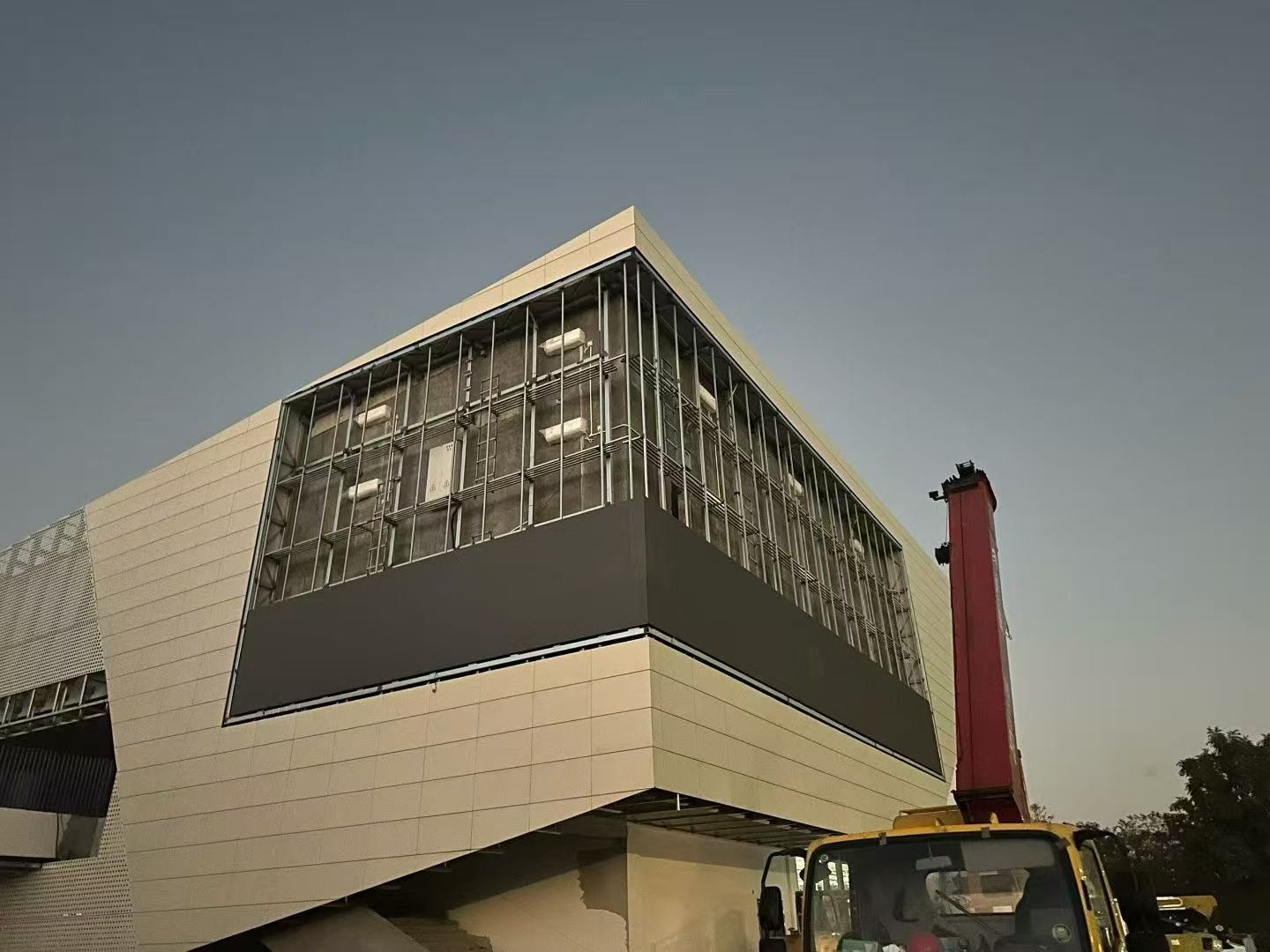
Dynamic Adaptation of Optical Parameters:
Ultra-High Brightness & Auto-Adjustment: Base brightness must be ≥7000 nits to combat midday sun. However, brightness should not be static. The display must be equipped with ambient light sensors to enable automatic, smooth brightness adjustment based on ambient light levels (dawn, dusk, night, cloudy days). This saves energy and prevents light pollution at night, enhancing viewing comfort.
Pillar 2: Structural Mechanics & Safety Design
Outdoor screens are products of "wind engineering." Their structural design directly relates to public safety.
Accurate Calculation & Simulation of Wind Load:
Basic wind pressure values must be obtained according to local building codes (e.g., Chinese GB, American ASCE, European EN). Professional structural calculations are performed considering screen height, installation location (rooftop, wall, freestanding pole), and gust factors.
Wind Tunnel Simulation Advice: For oversized, irregularly shaped screens, or those in complex wind environments (e.g., between tall buildings creating a canyon effect), Computational Fluid Dynamics (CFD) simulation is recommended to optimize cabinet shape, open area ratio, and rear support structure, reducing wind resistance and vibration.
Support Structure as a Systems Project:
The primary structure (typically steel) must be designed by qualified professionals, considering dead load, maintenance load, wind load, snow load, and seismic load of the display.
Design convenient maintenance access (e.g., catwalks, cradle rails) and safety features (e.g., guardrails), which are fundamental for safe long-term operation.
Pillar 3: Reliability Design for Electrical & Signal Transmission
The harsh outdoor environment poses significant challenges to electrical safety.
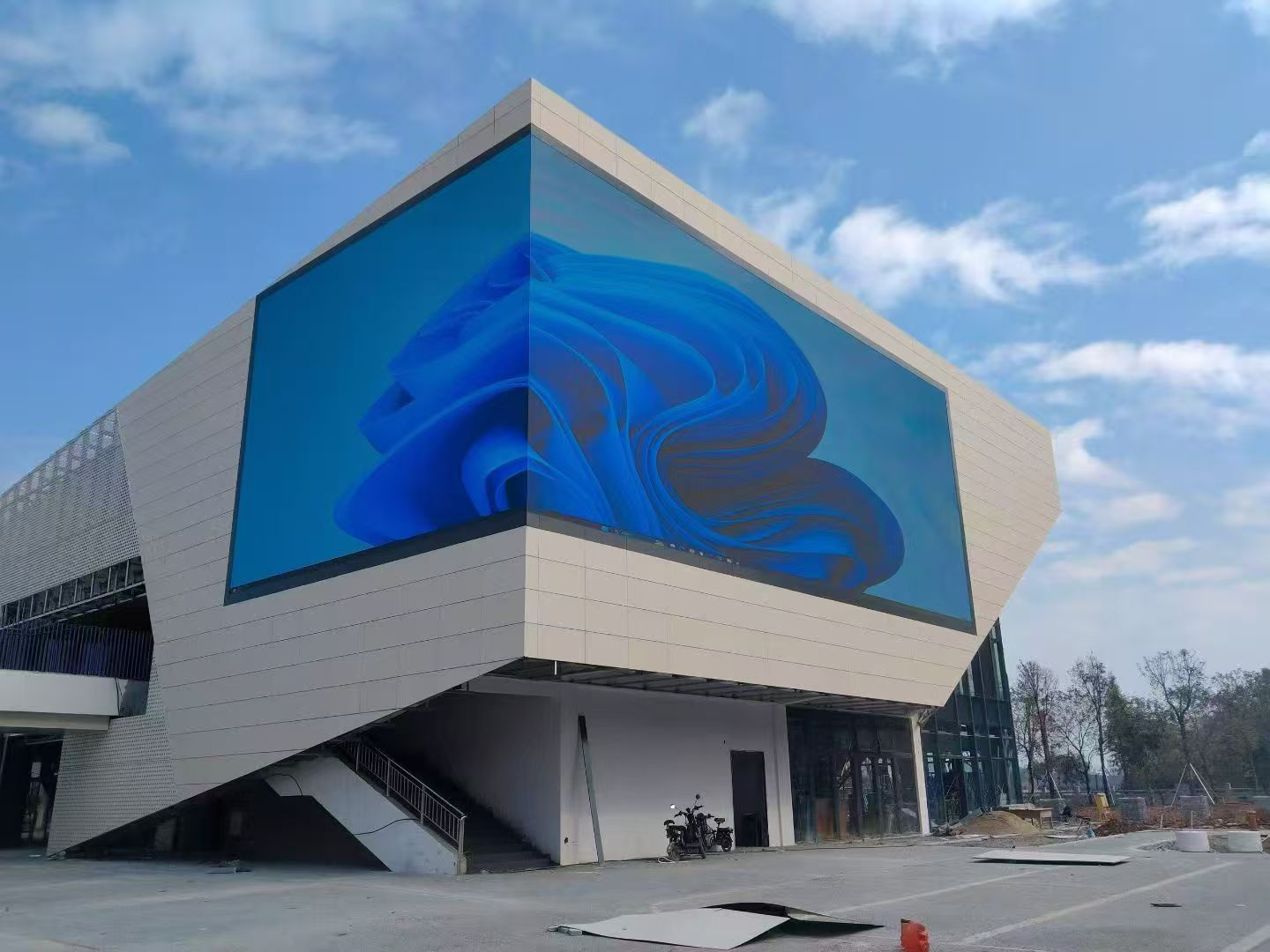
Redundancy & Protection in Power Supply:
Dual power inputs or a UPS (Uninterruptible Power Supply) are recommended to prevent damage from sudden power loss.
Power distribution boxes must include Lightning Protection & Surge Protection (LPMS), overload protection, and short-circuit protection. All cables must be outdoor-rated, flame-retardant, UV-resistant, and housed within metal conduits or trunking.
Ensuring Signal Transmission Stability:
Fiber optics are preferred for long-distance transmission due to their immunity to electromagnetic and lightning interference, making them ideal for outdoors. Redundant design for key components like receiving cards is essential.
Equipotential bonding between the control room and screen body is necessary to prevent signal interference caused by potential differences.
Part II: In-Depth Environmental Assessment & Adaptation Strategy
Successful installation begins with reverence and a thorough understanding of the environment.
Three Key Elements of Environmental Assessment:
Geographic Location & Microclimate Analysis:
Climate Zone: Identify if the area is hot/humid, dry/sandy, severely cold/snowy, or has intense UV radiation.
Micro-Environment: Assess the sun exposure path on the screen facade (west-facing is most severe), wind channeling effects from surrounding buildings, and proximity to water bodies (increasing humidity) or major roads (vibration and dust).
Viewing Distance, Angle, and Sightline Analysis:
Determining Core Viewing Distance: Measure the average and maximum viewing distances from primary pedestrian and vehicular traffic points. This is the fundamental basis for determining pixel pitch (Pitch) and content font size. For example, screens alongside highways can have a larger pitch (e.g., P10-P16), while commercial pedestrian streets require finer resolution (e.g., P4-P8).
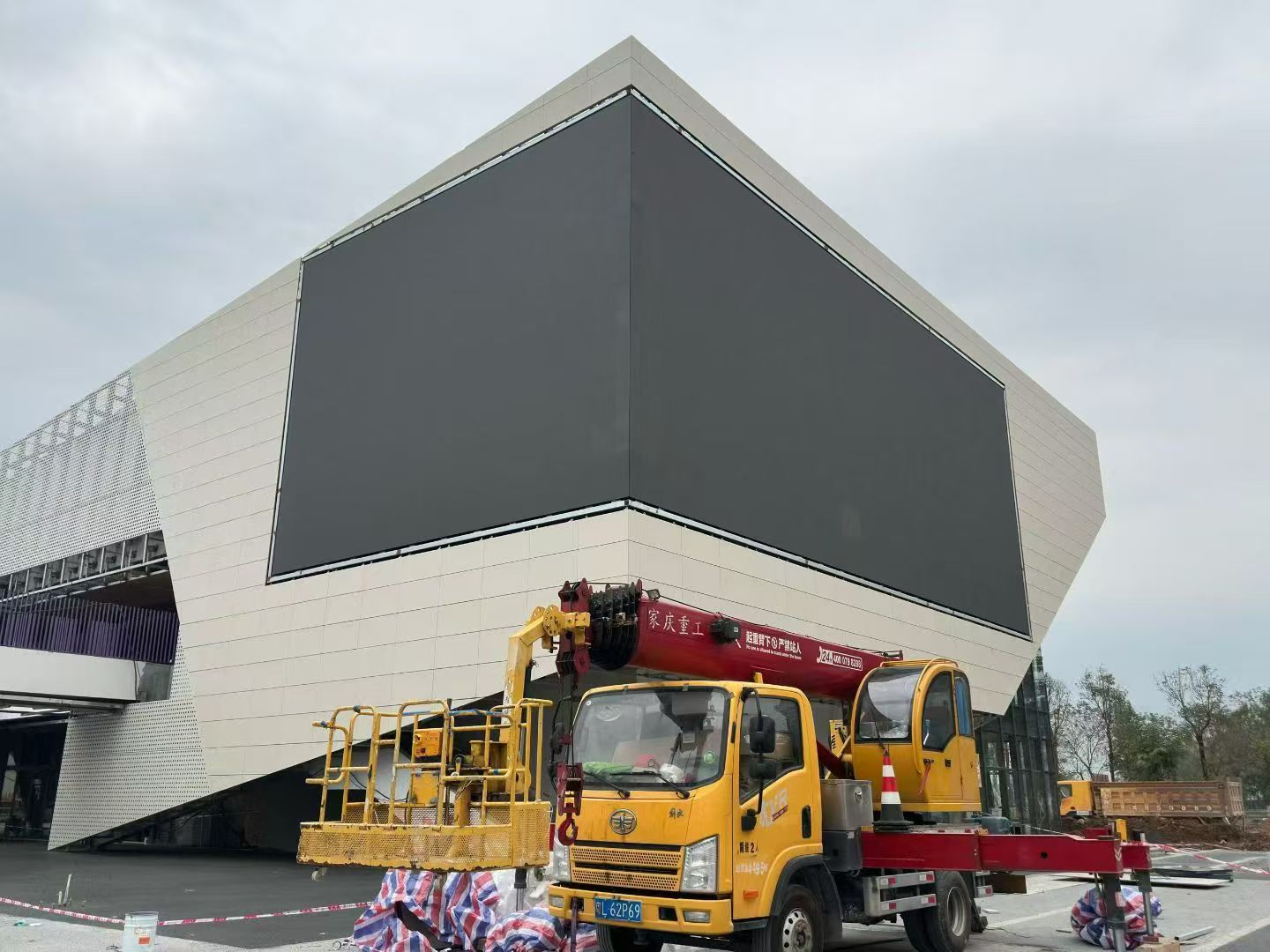
Viewing Angle Optimization: Based on the primary viewing direction (e.g., parallel to a road), design the screen's tilt angle or curvature to maximize the effective viewing angle and minimize image distortion.
Compliance & Neighborhood Impact Assessment:
Laws & Regulations: Must comply with local regulations regarding outdoor advertising placement, light pollution control, building load-bearing, and fire access.
Light Impact Assessment: Avoid causing glare interference to nearby residences or drivers (especially near highway exits). Strict upper limits for nighttime brightness and dimming schedules are mandatory.
Adaptation Strategies for Typical Scenarios:
Urban Commercial Districts: Focus on building facade load-bearing, integration with glass curtain walls, high refresh rate (≥3840Hz) for smartphone filming, and convenient network access for content updates.
Coastal Tourist Areas: Corrosion resistance is the top priority. Use full stainless steel or special coatings, with a recommended IP rating above IP66. Content should be dynamic and vibrant, matching the tourist atmosphere.
Transportation Hubs (Airports, Highways): Message legibility and safety are key. Content must be concise and clear, with a high refresh rate to ensure no smearing. Structural wind resistance requirements are extremely high, and a comprehensive lightning protection system is essential.
Part III: Beyond Installation: Full Lifecycle Operational Design
Professional design must encompass the project's entire lifecycle.
Serviceability Design:
Employ front-access or quick-open rear-access maintenance designs, supporting hot-swappable replacement of individual modules. Ensure ample maintenance space and streamlined procedures for spare part replacement.
Integrated Intelligent Monitoring System:
Equip with a remote monitoring platform to track real-time status (temperature, humidity, voltage, pixel status) and playback content for each screen section. Enable fault alerts (e.g., overheating, water ingress, fan failure), shifting from "reactive repair" to "preventive maintenance."
Content Management & Energy Efficiency Optimization:
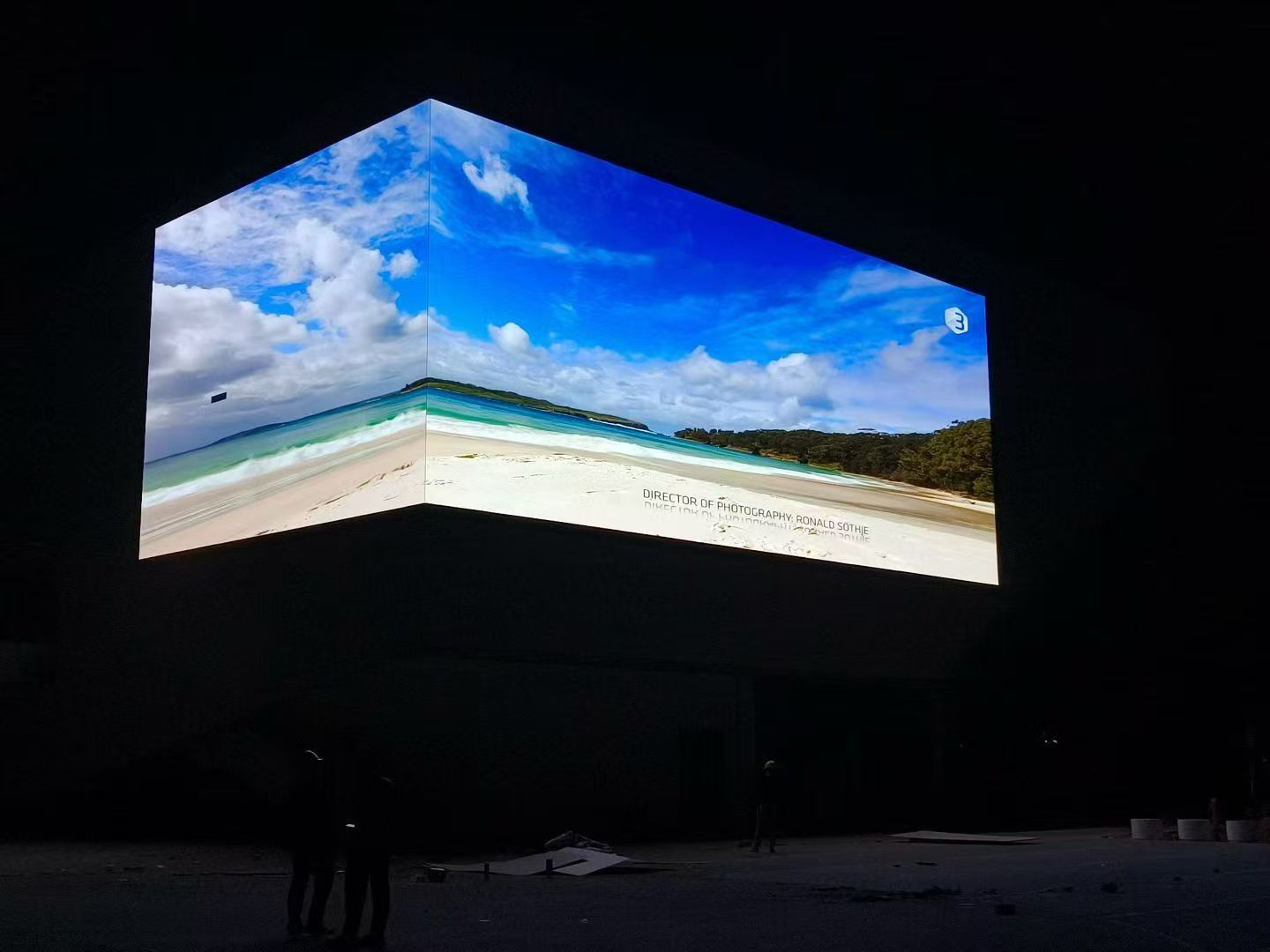
Establish an efficient remote content publishing system. Utilize intelligent brightness adjustment and zoned power supply technology to lower brightness or turn off non-essential sections during off-peak hours, achieving significant energy savings.
Conclusion: Let Professional Design Safeguard Your Outdoor Investment
An outdoor screen without professional design is a latent risk and a continuous drain. An outdoor screen engineered through rigorous environmental adaptation becomes a reliable, efficient, and enduring brand bastion and source of value.
We provide not just outdoor LED hardware, but a turnkey solution covering environmental assessment, customized engineering design, safe construction guidance, and intelligent operation & maintenance. Our engineering team understands the requirements of different global climate zones and building codes, committed to transforming every challenge into a unique advantage for your project.
Empower Your Outdoor Project with Professional Expertise Today!
Contact us to receive:
A free preliminary environmental assessment checklist and design recommendations.
Global project case studies for typical climate zones and technical white papers.
Introduction to our professional structural calculation and optical simulation services.
Website: https://www.rx-rgbvision.com/
Email: [email protected]
WhatsApp/Phone: +86 15989356571
Let's collaborate to conquer the outdoors with professionalism and shape landmarks with light.
 English
 中文
中文