Revolutionizing the Outdoor Visual Experience: Technical Features of LED Outdoor Grille Screens
Revolutionizing the Outdoor Visual Experience: The Technical Features, Application Scenarios, and Core Value of LED Outdoor Grille Screens
In the digital age, demand for outdoor advertising and public information displays is growing. Traditional displays are often limited by environmental factors and fail to deliver optimal results. As an innovative display solution, LED outdoor grille screens, with their unique design and superior performance, are becoming the preferred choice for urban buildings, stadiums, and commercial displays. This article will comprehensively analyze the core features, applicable environments, and multiple benefits of LED outdoor grille screens, helping you gain a deeper understanding of this cutting-edge technology.
I. Core Features: Technical Advantages and Design Innovation
High Brightness and Anti-Light Interference
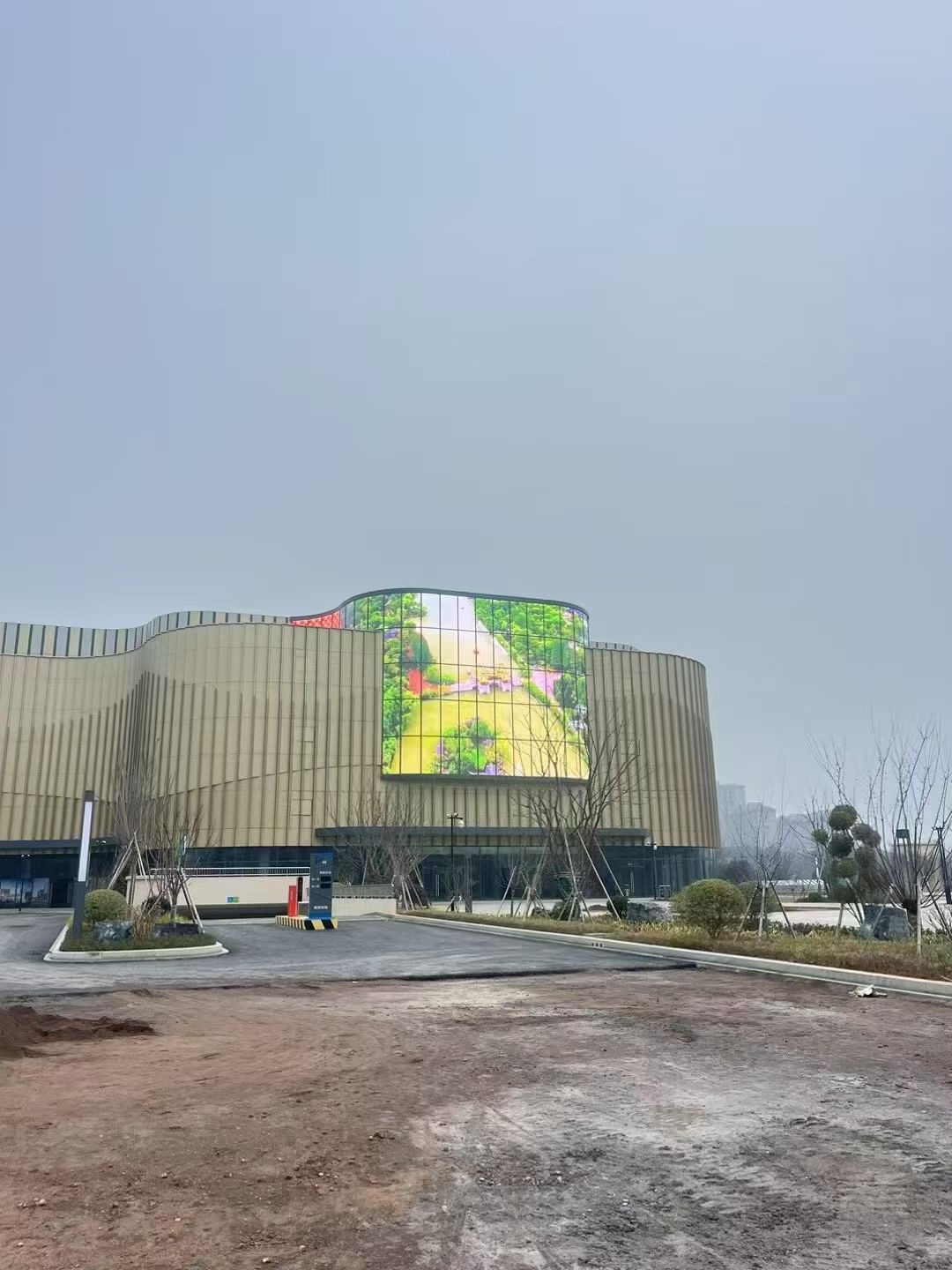
LED outdoor grille screens utilize high-brightness LEDs, ensuring clear display even in direct sunlight. Their brightness is adjustable to adapt to ambient light conditions at different times of day, ensuring constant visibility and avoiding blind spots.
Breathable and Lightweight Design
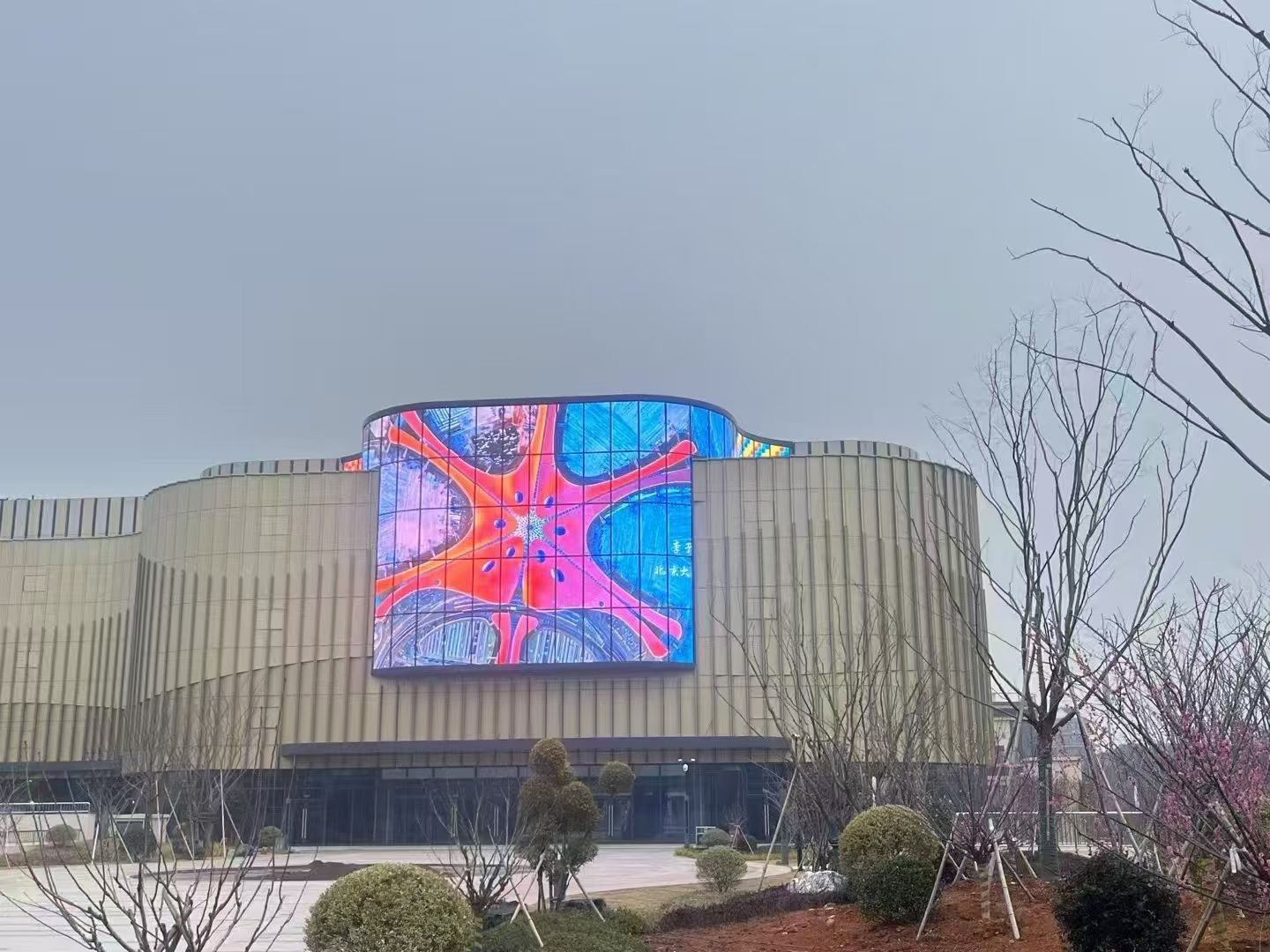
The grille screens feature a hollow structure, effectively reducing wind resistance and lowering the load on the building structure. This design not only improves safety but also preserves the building's original aesthetics, making them suitable for installation on a variety of complex exterior walls.
Energy-Saving, Environmentally Friendly, and Long Lifespan
LED technology inherently consumes low power. Combined with an intelligent dimming system, the grille screen can save over 40% more energy than traditional outdoor displays. Furthermore, its lifespan of up to 100,000 hours reduces the cost of frequent replacement and maintenance.
Highly Waterproof and Weather-Resistant
Outdoor environments are highly variable. The grille screen boasts IP65 and above water and dust resistance, withstanding high and low temperatures, humidity, and even salt spray corrosion, making it suitable for extreme weather conditions.
Flexible Installation and Seamless Integration
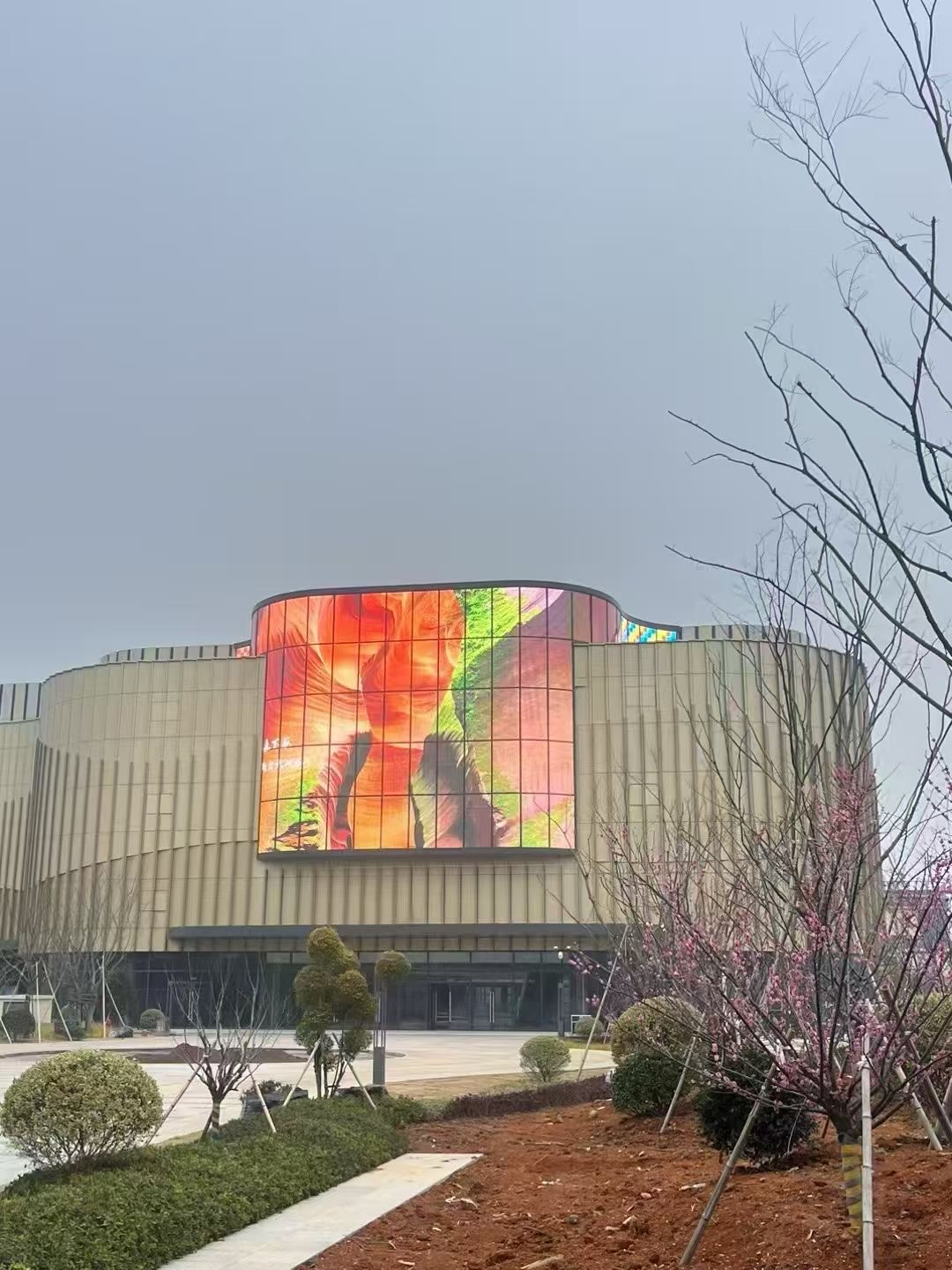
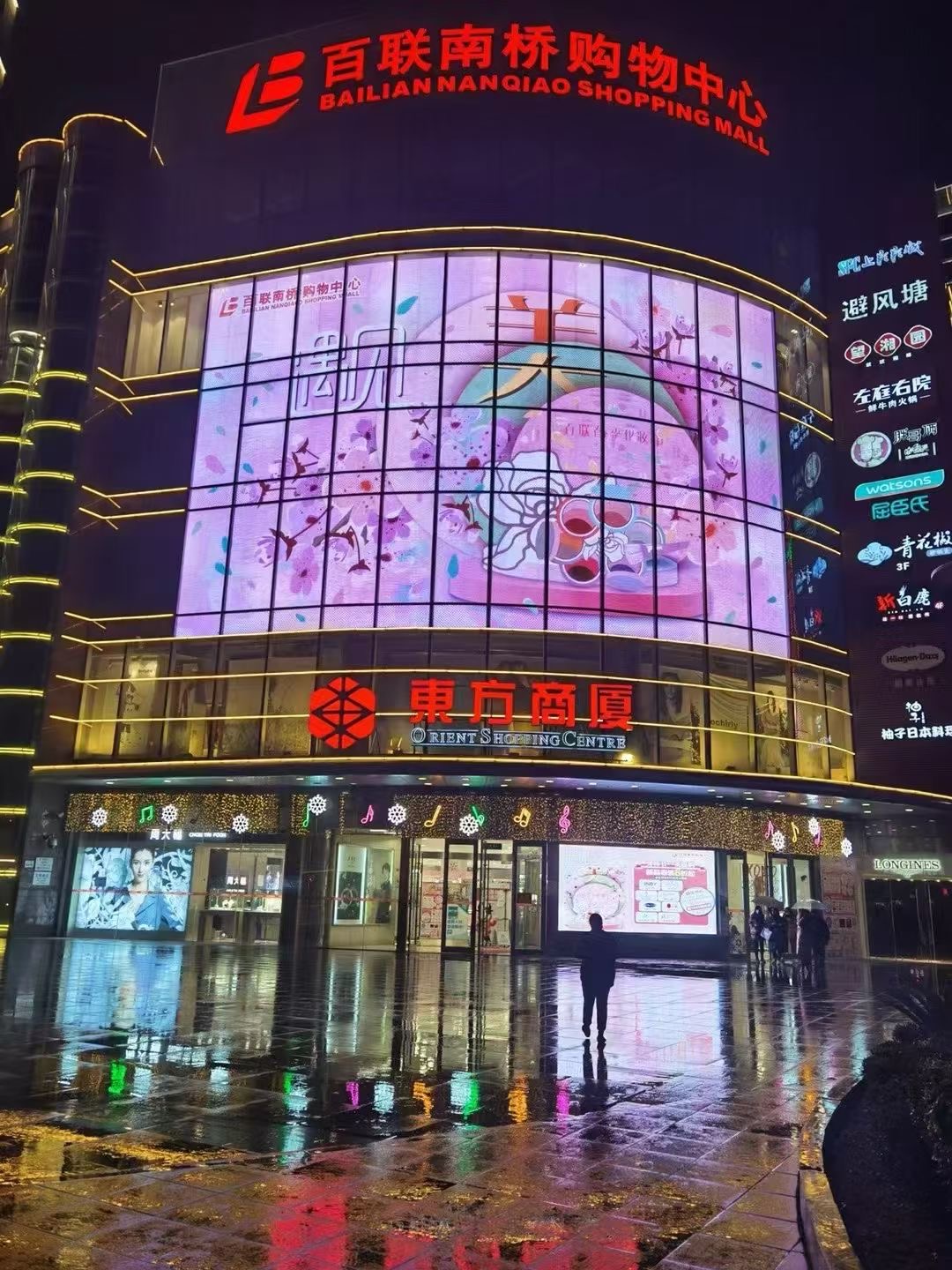
The modular design allows the grille screen to be customized to the building's shape, seamlessly integrating curved, curved, and even irregularly shaped structures for an immersive visual experience.
II. Usage Environment: Multi-Scene Adaptability
Architectural Curtain Walls and Landmark Displays
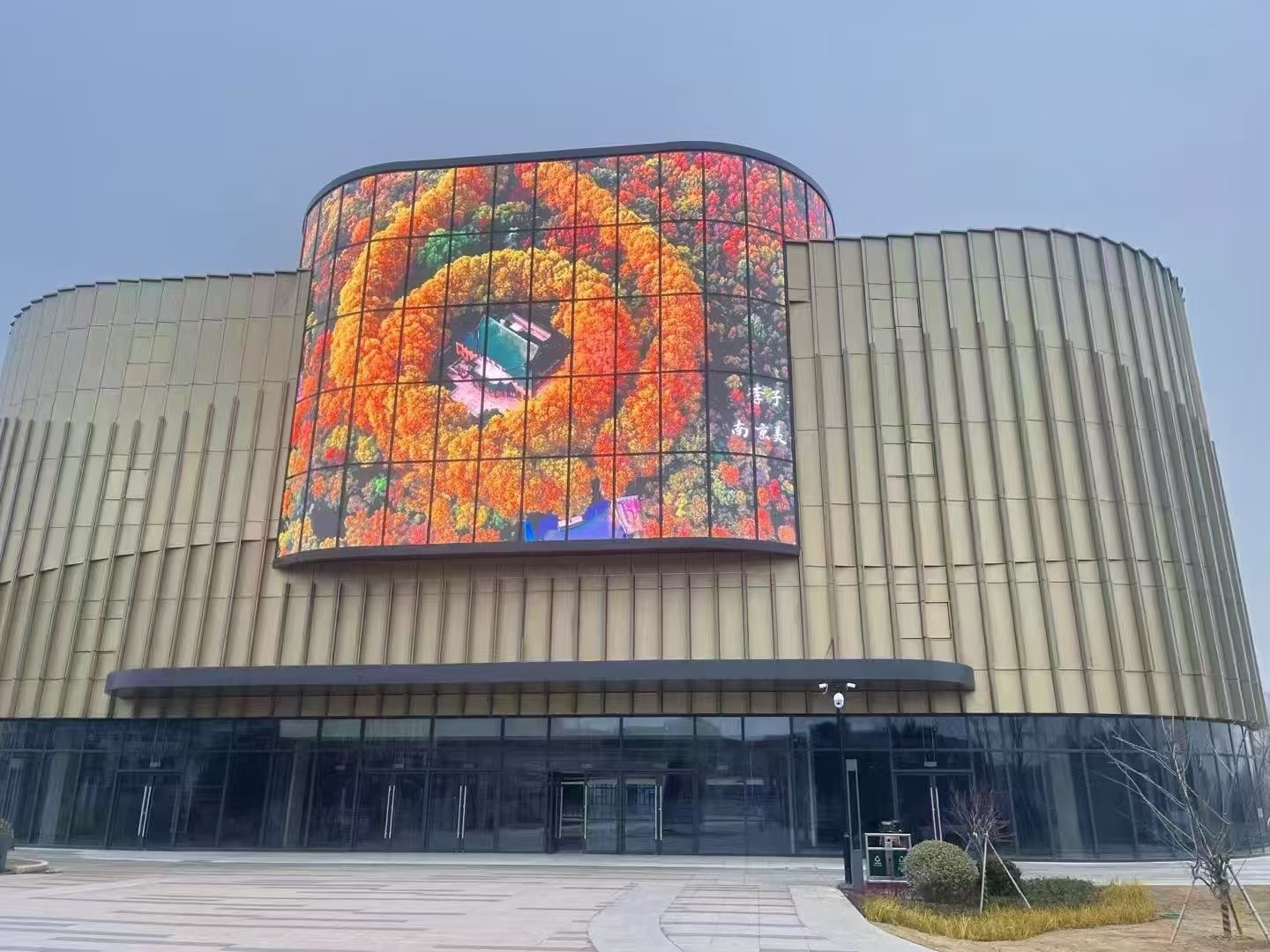
The grille screen can be integrated into glass curtain walls or building facades to display commercial advertisements, public welfare information, or artistic content, becoming a dynamic window into a city's image. For example, shopping malls or office buildings can use the grille screen to enhance brand visibility.
Stadiums and Large-Scale Events
At large-scale events like stadiums and concerts, lattice screens can serve as timers, scoreboards, or live playback screens. Their high refresh rate and wide viewing angle ensure clear information from all angles.
Transportation Hubs and Public Information Dissemination
Transportation hubs like airports and train stations can use lattice screens to display flight information, schedules, or emergency notices. Their high reliability ensures the continuity of public services.
Commercial Advertising and Brand Marketing
Brands can deploy lattice screens in outdoor plazas or high-traffic areas to display dynamic advertisements, attracting audience attention and enhancing marketing effectiveness.
Creative Installations and Art Exhibitions
Artists and designers leverage the flexibility of lattice screens to create interactive art installations, adding a touch of technology and art to public spaces.
III. Core Values: Efficiency, Effectiveness, and Sustainable Development
Improving Information Delivery Efficiency
The high visibility and dynamic display capabilities of lattice screens make information delivery more efficient. Research shows that dynamic ads have a recall rate over 50% higher than static ads, helping brands achieve greater impact.
Lower Overall Costs
Although the initial investment is high, the long lifespan and low energy consumption of the LED grille significantly reduce the total cost of ownership (TCO). Its modular design also facilitates local repairs, reducing maintenance expenses.
Enhanced Environmental Adaptability
The air-permeable design reduces the need for structural modifications, making installation easier while also avoiding the potential safety hazards associated with traditional displays.
Supporting Sustainable Development
The energy-saving features align with global green development trends, helping users reduce their carbon footprint and enhance their corporate social responsibility (CSR).
Future Scalability
Supporting intelligent control and Internet of Things (IoT) integration, users can remotely manage content through a cloud platform, enabling personalized playback and real-time updates, adapting to the digital future.
Conclusion
LED outdoor grille screens are not only a leap forward in outdoor display technology, but also a crucial tool for smart city development and brand communication. Through technological innovation and scenario-based applications, they provide efficient and reliable solutions for commercial, public, and cultural sectors. Choosing a grille screen means embracing a smarter and more sustainable future for outdoor visuals.
 English
 中文
中文