The Ultimate Guide to Professional LED Display Design: From Concept to Reality
In the era of the visual economy, LED displays have become a core medium for brand communication, spatial shaping, and experience creation. However, many projects fail to reach their full potential, or even fail outright, often not due to the product itself, but because of deficiencies or oversights in the design phase. Professional design is the key to transforming technological hardware into an effective communication tool, a reliable commercial asset, and a stunning artistic installation. This article provides a clear, systematic framework for professional design, ensuring your every LED display project becomes a timeless success.
Pillar I: Pre-Planning & Requirements Definition — Laying the Cornerstone of Success
A successful project begins with precise strategic positioning. This phase is about moving beyond the mindset of "needing a screen" to defining "what needs to be achieved through the screen."
Deep Analysis of Goals & Context:
Define Core Objectives: Clarify the primary goal—is it brand elevation, product promotion, information guiding, ambiance creation, or immersive storytelling? The objective directly influences all subsequent design decisions.
Analyze Context & Audience: Conduct a thorough analysis of the installation environment (indoor, semi-outdoor, outdoor), spatial dimensions, architectural style, primary viewing distances, and angles. Simultaneously, define the core audience and their behavioral patterns: are they passing pedestrians or engaged visitors?
Creative Concept Visualization:
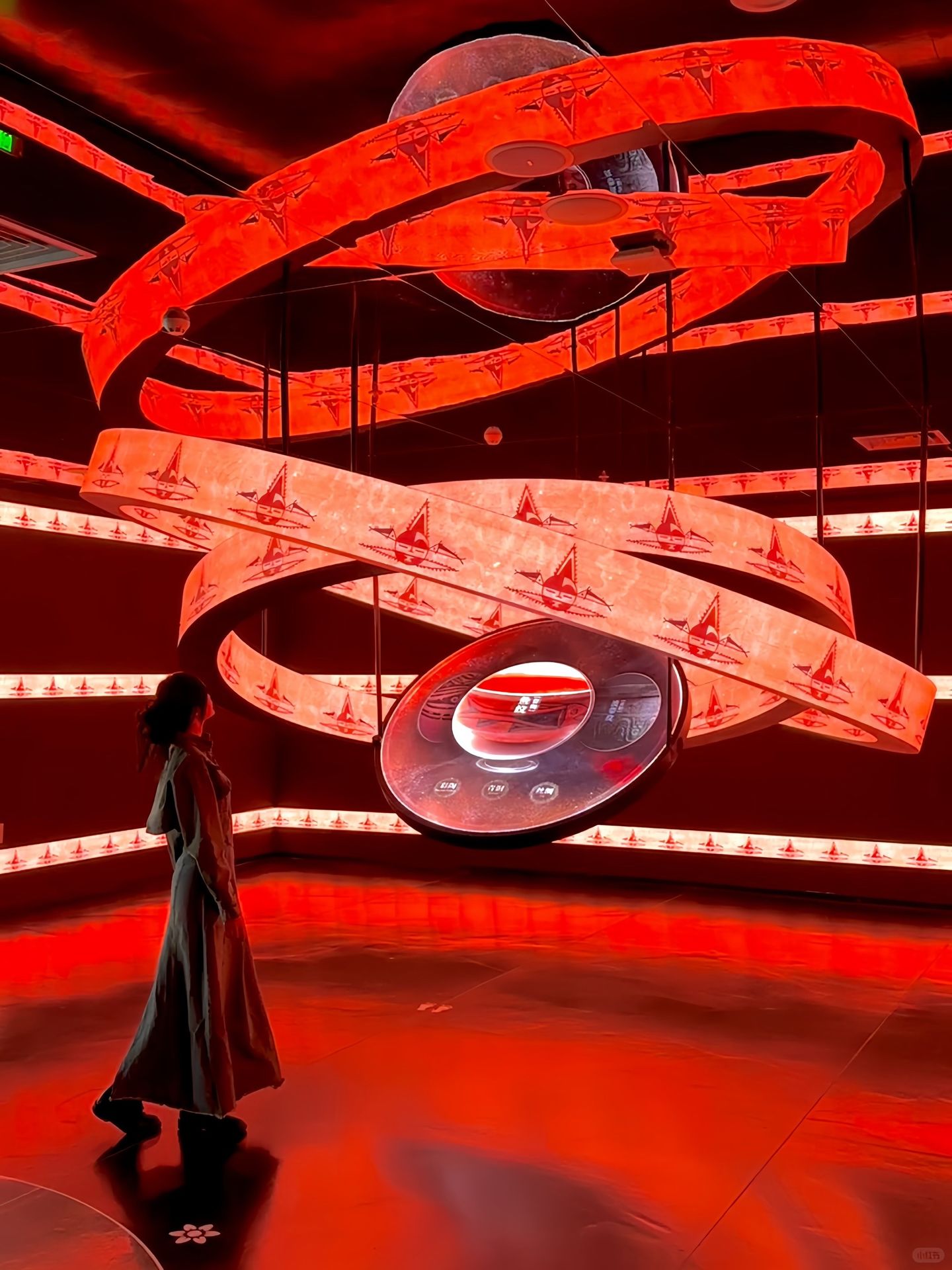
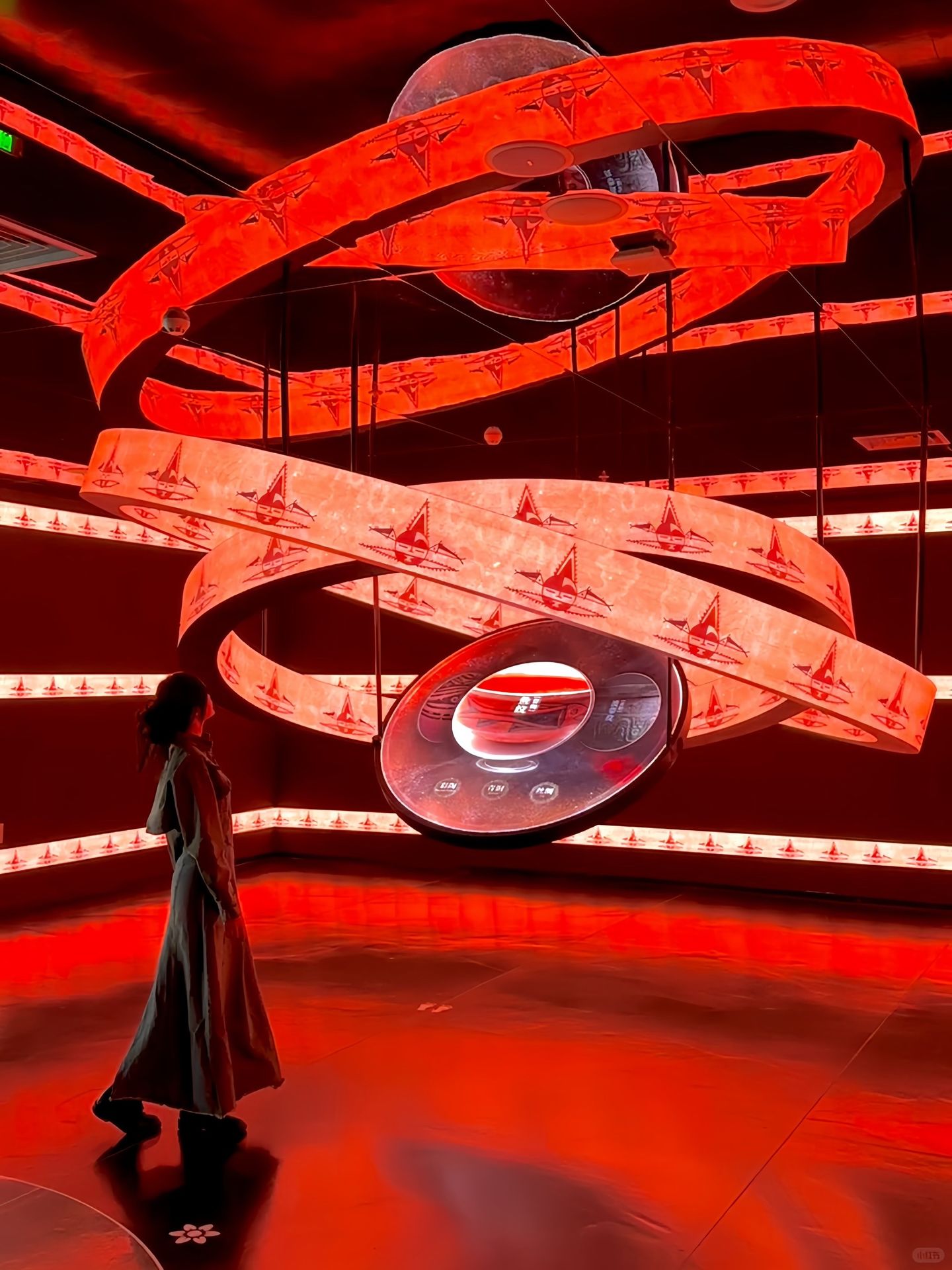
From "Screen" to "Installation": Consider how the screen integrates into the space. Should it be a media column wrapping a pillar, a digital dome forming a wavy ceiling, or a transparent window hidden within glass?
Preliminary Visual Representation: Use high-quality renderings and motion demo videos to visualize the creative concept early in the project. This is crucial for aligning stakeholder expectations and securing buy-in.
Pillar II: Technical Detailing & Systems Engineering — The Art of Precision
This phase translates the creative blueprint into an executable technical plan, requiring rigorous engineering thinking.
Accurate Product Specification Calculation:
Scientific Pixel Pitch (Pitch) Selection: Base the required pixel density on the closest viewing distance, not the average distance. Use formulas as a guide, but combine with content type (text/video) for judgment. Immersive indoor spaces (e.g., showrooms) often require a finer pitch than conference rooms.
Customized Brightness & Protection Ratings: Indoor environments must avoid light pollution, while outdoor displays must combat direct sunlight. Brightness (Nits) must be customized based on ambient lux data, and the Ingress Protection (IP) rating determined by climatic conditions.
Irregular Shape & Integration Design:
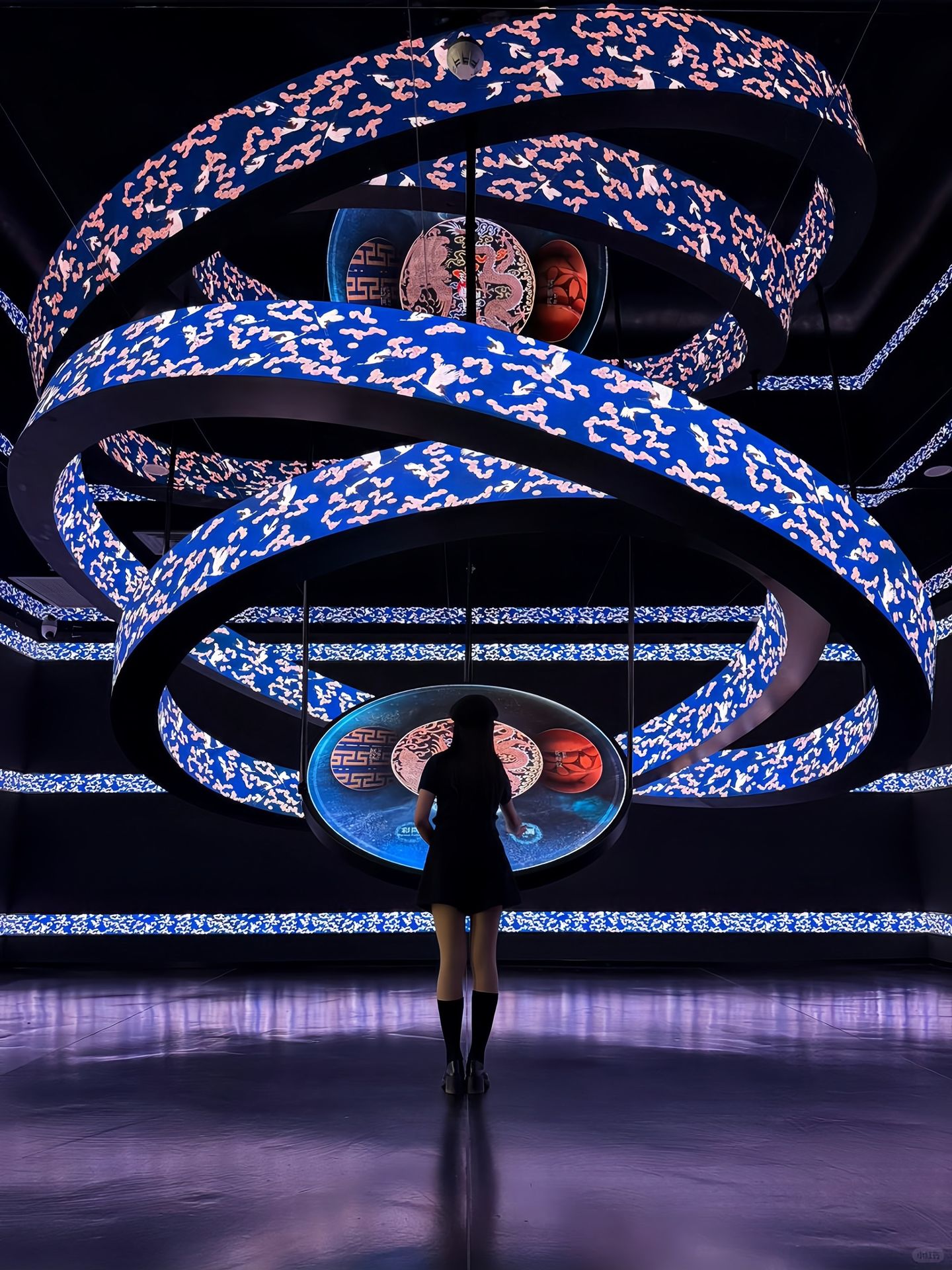
Structural Feasibility Analysis: For creative shapes like curves or spheres, professional 3D structural modeling and stress analysis are mandatory to ensure safety and stability. Consider wind load (outdoor), heat dissipation pathways, maintenance access, and weight.
Seamless Systems Integration: Design the signal transmission topology (fiber or Ethernet), power distribution plan, and pre-plan the control protocol and logic for integrating the display control system with existing systems (e.g., Crestron, AMX), audio, and lighting.
Content Canvas & Playback Logic Preset:
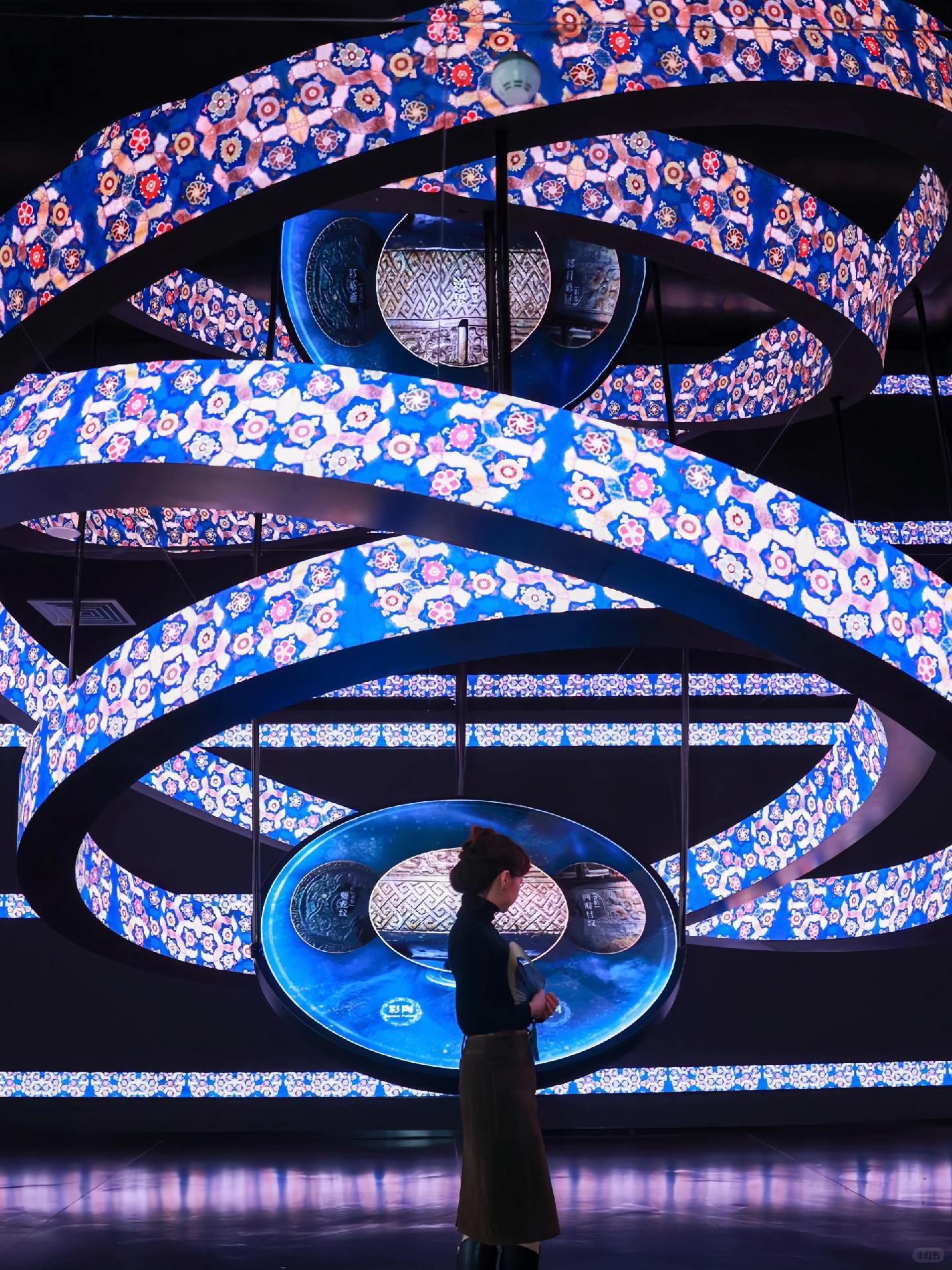
Define the "Digital Canvas": Before physical installation, create precise virtual resolution templates based on the final pixel array layout (especially for irregular screens). This is fundamental for ensuring future content fits perfectly without distortion.
Design Playback Management Modes: Plan playlists for weekdays, weekends, and holidays. Design screen layout modes (e.g., news ticker + main visual) and establish content update and management workflows.
Pillar III: Content Strategy & Experience Design — Injecting the Soul
The hardware is the body; content and interaction are its soul. This phase determines the audience's actual experience.
Narrative Content Architecture:
For scenarios like exhibition halls or retail stores, content should not be a disjointed collection but have a narrative flow. Design content chapters and visual journeys, letting the screen guide the audience and tell the story.
Visual Art & Information Design:
Engage professional digital content creators. Ensure all visual assets (resolution, color gamut, frame rate) match the final screen specifications. Complex data should be presented through well-designed infographics to enhance comprehension and aesthetics.
Interactive Experience Design:
If interaction is involved, design a complete User Experience (UX) flow: trigger method (touch, motion sensor, mobile), on-screen feedback form, interaction duration, and conclusion logic. Ensure interactions are intuitive, engaging, and tightly aligned with business goals.
Pillar IV: Installation & Long-term Operational Planning — Safeguarding Lifecycle Value
Exceptional design must include thorough consideration for the implementation process and a decade of future operation.
Installation Methodology & Supervision:
Provide detailed construction drawings (structural, electrical, comprehensive piping diagram). Offer on-site or remote technical supervision during critical installation milestones (e.g., structure erection, first cabinet hoisting, initial system integration) to ensure 100% alignment with design intent.
Serviceability Design:
This is a critical yet often overlooked point. Design must clearly define maintenance access (front or rear), module replacement procedures, and spare parts storage/management plans. Good serviceability design can reduce Mean Time To Repair (MTTR) by over 70%.
Long-term Performance Management Planning:
Provide professional operation and training manuals. Recommend establishing a periodic inspection checklist (checking for dead pixels, connection integrity, fan operation). For multi-site projects, recommend cloud platforms supporting remote monitoring and management for preventive maintenance.
Call to Action: Let Professional Design Be Your Competitive Edge
In an increasingly competitive market, the return on a professionally designed LED display project far exceeds the hardware cost itself. It becomes a brand signature, a traffic driver, and a revenue generator.
We do not just supply LED displays; we provide end-to-end design solutions—from concept and technical detailing to operational support. Our interdisciplinary team (designers, engineers, content specialists) has successfully transformed countless creative visions into landmark projects worldwide.
Empower your next project with professional design today!
Contact us to receive:
A Free Initial Design Consultation: Submit your space info and goals for a conceptual proposal.
Industry-Specific Case Studies: Review successful design examples relevant to your sector.
Technical White Papers: Gain deep insights into design standards and latest trends.
Let's collaborate to define the future of visual experiences through professional design.
 English
 中文
中文