The Convergence of Technology and Aesthetics- LED Möbius Strip Opens New Dimensions in Future Design
"The Convergence of Technology and Aesthetics: LED Möbius Strip Opens New Dimensions in Future Design"
A recently unveiled LED lighting installation inspired by the Möbius strip has garnered attention in the industrial design sector. By integrating topological mathematical concepts with modern optoelectronic technology, this product achieves dual breakthroughs in functionality and artistry, offering new perspectives for sustainable design.
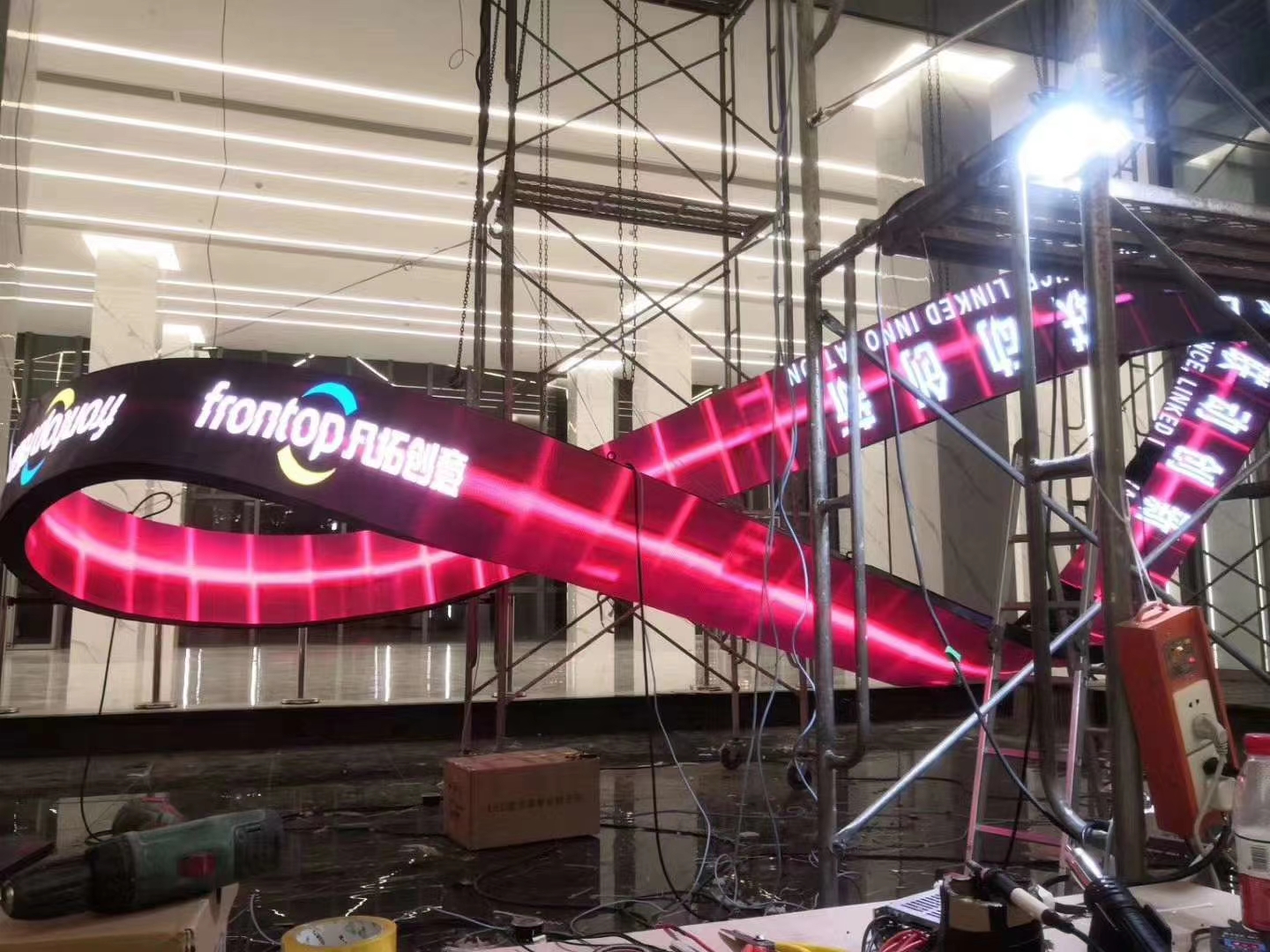
Design Philosophy: From Mathematical Symbol to Spatial Art
The Möbius strip, long regarded as a symbol of "infinite loop" due to its unique single-sided surface properties, has been transformed into a modular structure through 3D modeling technology. The main body combines an aerospace-grade aluminum alloy frame with flexible silicone light guide panels, embedded with 320 micro LED chips. A programmable control system enables dynamic lighting effects across the loop's surface, creating visual infinite extension.
Technical Innovation: Balancing Energy Efficiency and Intelligence
The product excels in energy performance. Laboratory data shows its fourth-generation COB (Chip on Board) integrated light source technology consumes 40% less energy than conventional LEDs. Wireless connectivity allows smartphone control of 16 million color combinations and 12 preset lighting modes. The specially developed "environmental adaptation system" automatically adjusts brightness according to ambient light conditions.
Sustainability: Material Circularity
The design incorporates 78% recyclable materials, including 30% recycled aluminum. Modular construction enables individual component replacement, potentially reducing maintenance waste by 60% compared to traditional fixtures. The team is experimenting with biodegradable plastics for light guide panels, aiming to launch a fully recyclable 2.0 version by 2025.
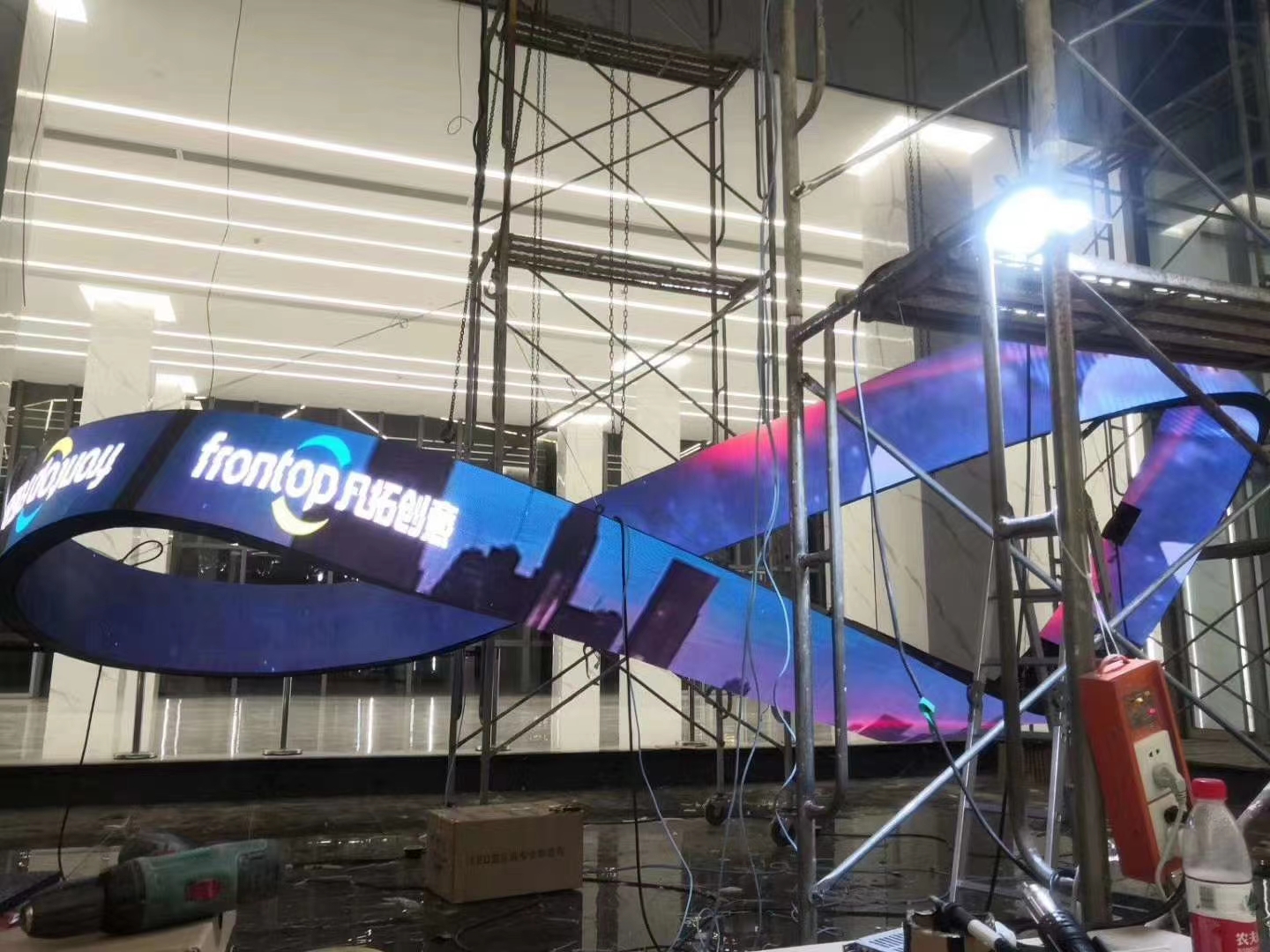
Applications: From Architecture to Urban Landscapes
Prototypes have been implemented in diverse settings. A 4.8-meter diameter version serves as a central art installation in a Shenzhen commercial complex, transforming from matte metallic finish by day to dynamic light sculpture at night. Compact versions in Tokyo flagship stores synchronize lighting with product displays. Urban planners note its scalability potential for cityscape lighting, particularly suited for landmark buildings due to low energy consumption.
Industry Impact: A Cross-Disciplinary Case Study
Developed through collaboration between industrial designers, photoelectric engineers, mathematicians, and material scientists, the 18-month R&D process yielded 6 utility patents. Milan Design Week curators praise it as "a renaissance of craftsmanship in the digital age," while IEEE experts emphasize its technical integration approach.
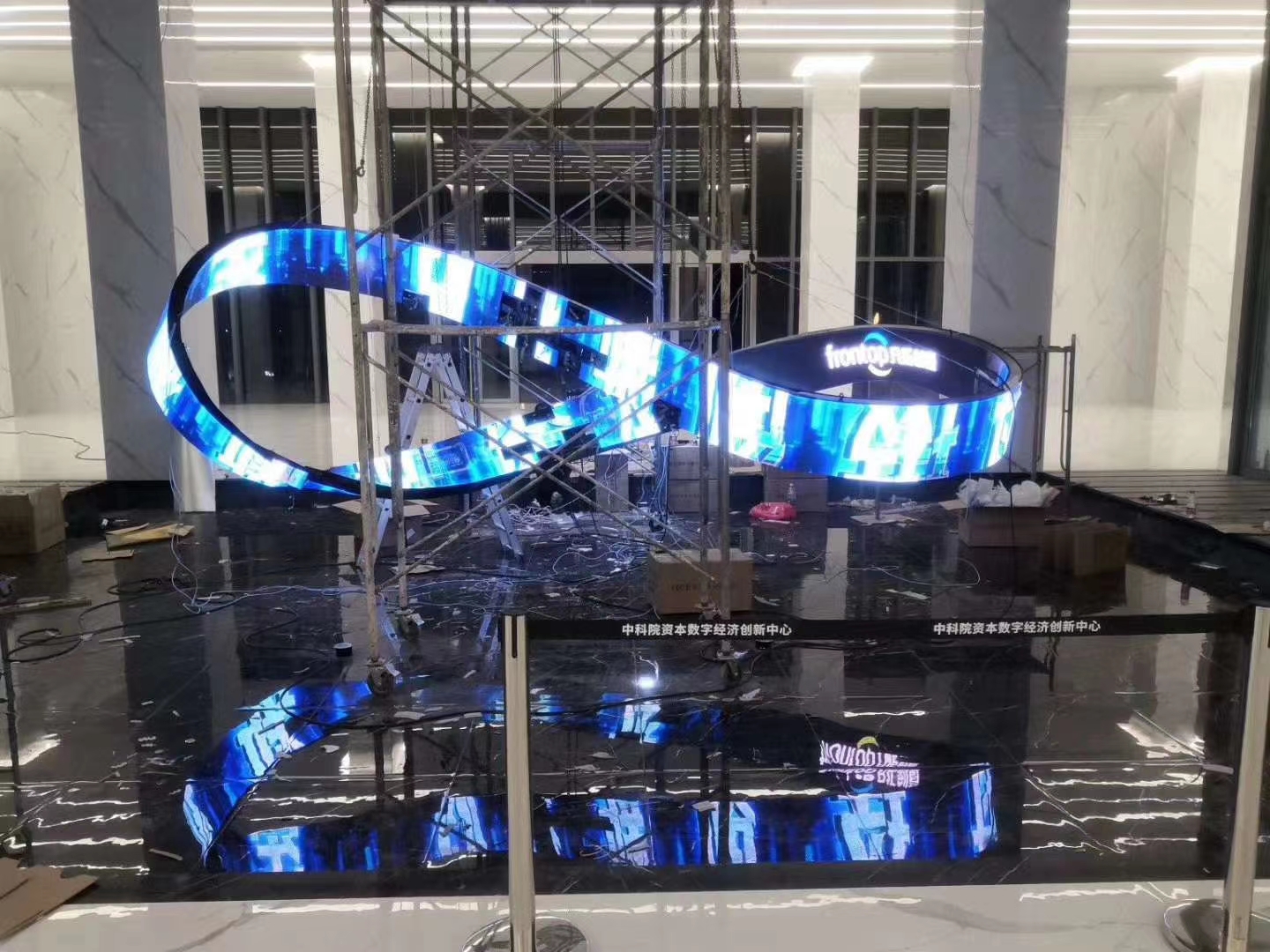
Market analysis indicates growing demand in the decorative smart lighting sector, projected to maintain 12% annual growth beyond its current $4.7 billion valuation. However, industry veterans caution that such innovations require further progress in cost-effectiveness and mass production stability.
With Paris Olympics approaching, the design team is negotiating with international event committees regarding temporary venue applications. This fusion of technological sophistication and philosophical symbolism may redefine light's expressive potential in contemporary spaces.
 English
 中文
中文