LED special-shaped screens- the beauty of customization reshapes the visual world
LED Custom-Shaped Screens: The Beauty of Customization Reshapes Visual Boundaries, Ushering in a "Flexible" Revolution in the Hundred-Billion-Yuan Market
This past weekend, a giant "water-wave"-shaped LED screen, seamlessly blending with the architectural curves, became a focal point at the entrance of a top shopping mall in Shenzhen. The dynamic water flow imagery seemed to cascade down, drawing visitors to take photos and check in—this is just one example of the allure of custom-shaped LED screens in commercial settings. With breakthroughs in display technology and exploding creative demand, custom-shaped LED screens, freed from the constraints of traditional rectangular form factors, are reshaping the imaginative dimensions of urban landscapes, commercial spaces, and artistic expression with unprecedented visual impact.
Exploding Market Value: From "Eye-Catching Tool" to "Value Engine"
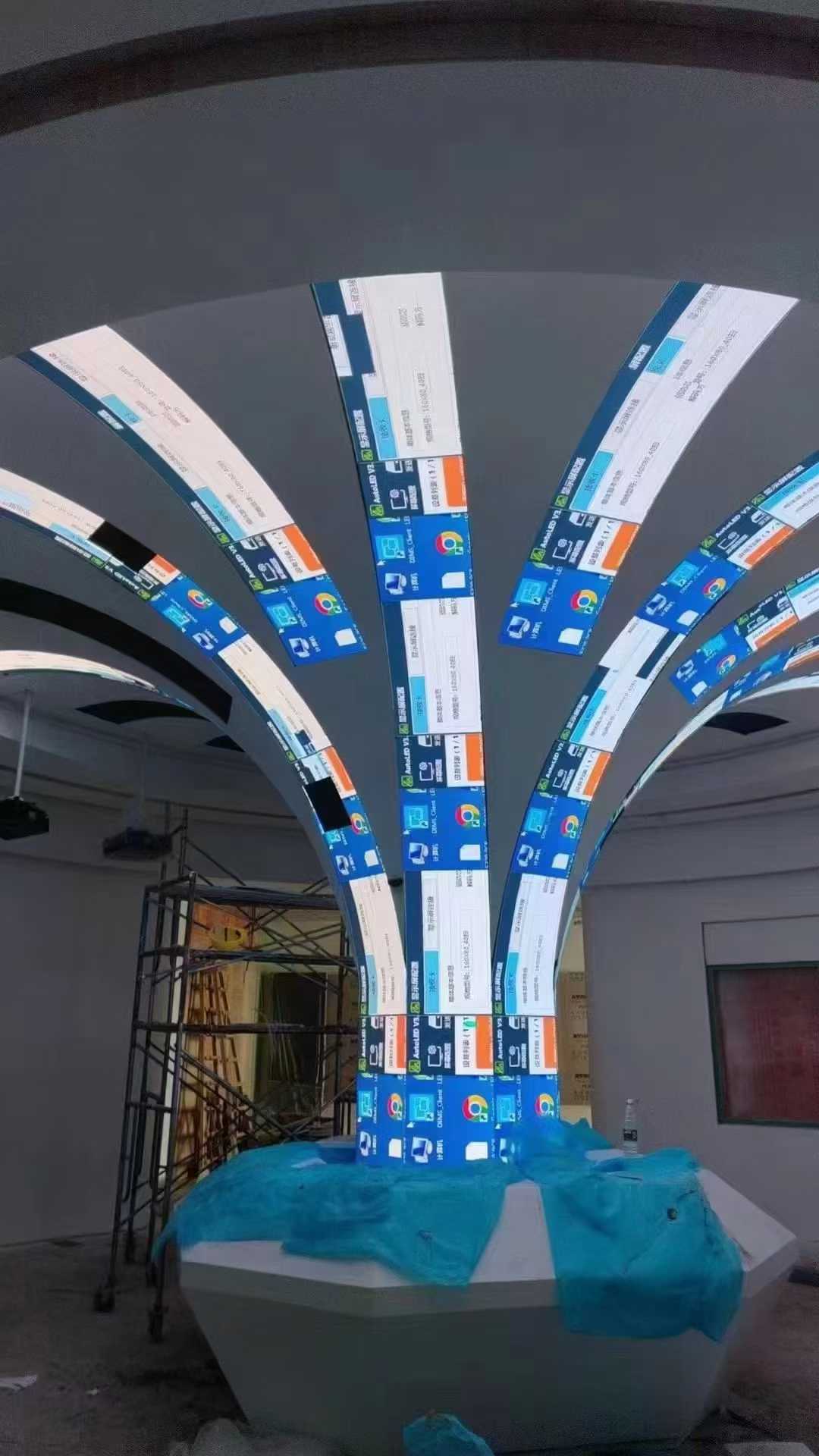
The core value of custom-shaped LED screens lies in their unparalleled ability to integrate with any scene and their creative expression. Compared to traditional flat-panel screens, custom-shaped screens can be highly customized to suit architectural structures, spatial characteristics, or specific themes, enabling the screen to "move with the scene."
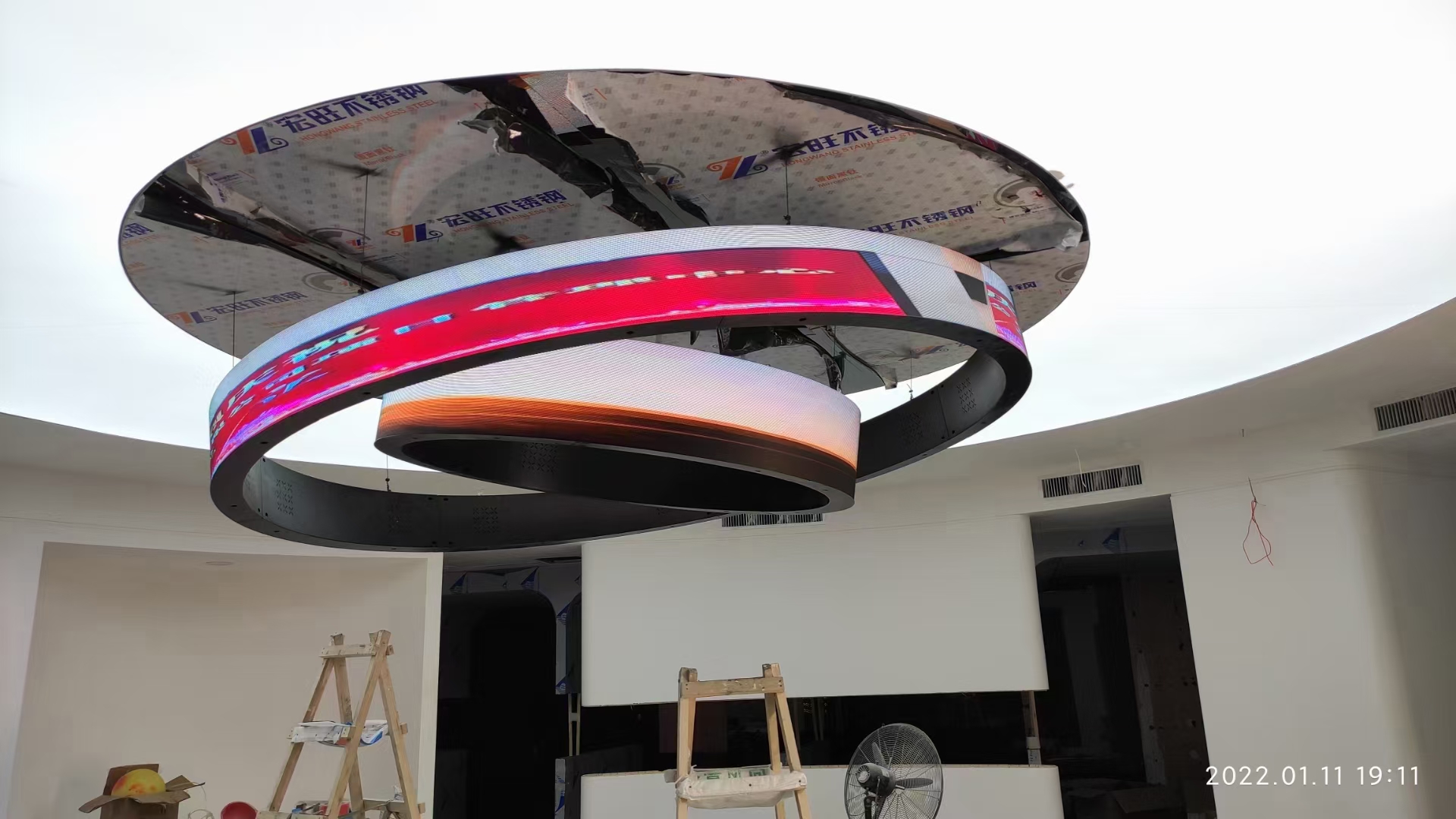
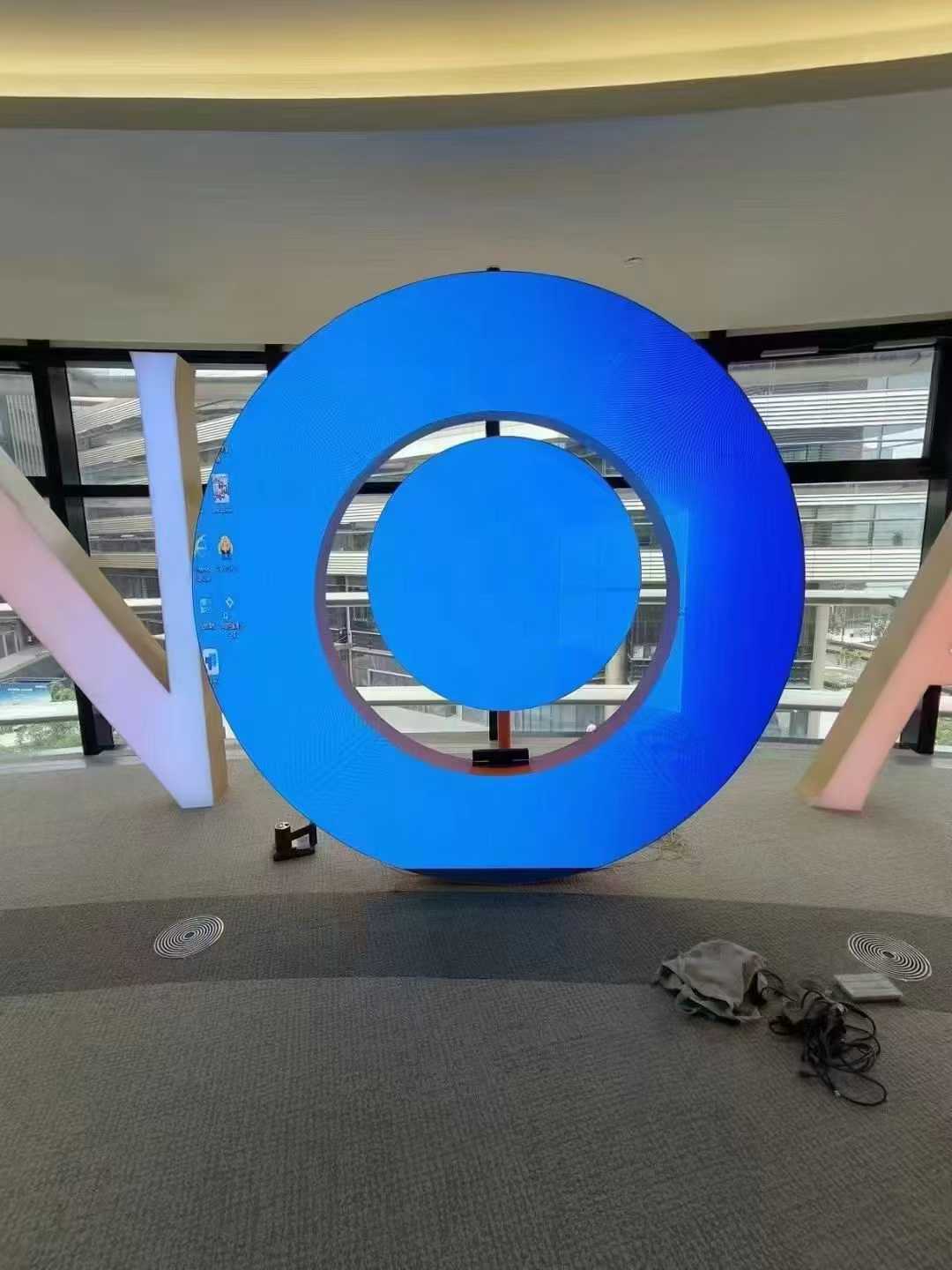
Breaking physical boundaries and creating immersive experiences: Whether curved, spherical, cylindrical, wavy, or complex structures imitating biological forms, custom-shaped screens seamlessly integrate into their environments, eliminating the sense of separation between the display and the background, creating a more enveloping and interactive immersive atmosphere. They shine in theme parks, cultural and tourism attractions, and high-end exhibition halls.
Creating a unique identity and enhancing brand value: For commercial spaces and brands, a beautifully designed custom-shaped screen is a work of art in itself, a highly recognizable landmark and traffic entry point. Its visual impact effectively elevates the venue's character, strengthens the brand image, and directly translates into increased foot traffic and attention.
Empowering creative expression and unleashing artistic potential: The free-form nature of custom-shaped screens allows artists and designers to bring their wildest ideas to life, creating dynamic visual art impossible with traditional flat surfaces and significantly expanding the expressive boundaries of digital art.
According to the latest data from the Gaogong Industry Research Institute (GGII), the global LED custom-shaped display market is experiencing rapid growth at an average annual rate exceeding 25%, with the market size projected to exceed 100 billion RMB by 2025. As the world's largest LED display production and application market, China is also a global leader in custom-shaped display R&D, manufacturing, and application innovation.
Market Trend Outlook: A Technology-Driven "Flexible" Future
The development of the custom-shaped LED display market is being driven by several powerful technological and demand trends:
The proliferation of micro-pitch and Mini/Micro LED technologies: The maturity and cost reduction of micro-pitch technologies below P1.0, especially Mini LED and Micro LED technologies, are enabling custom-shaped displays to achieve complex designs while providing ultra-high-definition, seamless, and detailed image quality, meeting the stringent requirements of high-end retail, high-end conferences, virtual reality photography, and other demanding scenarios.
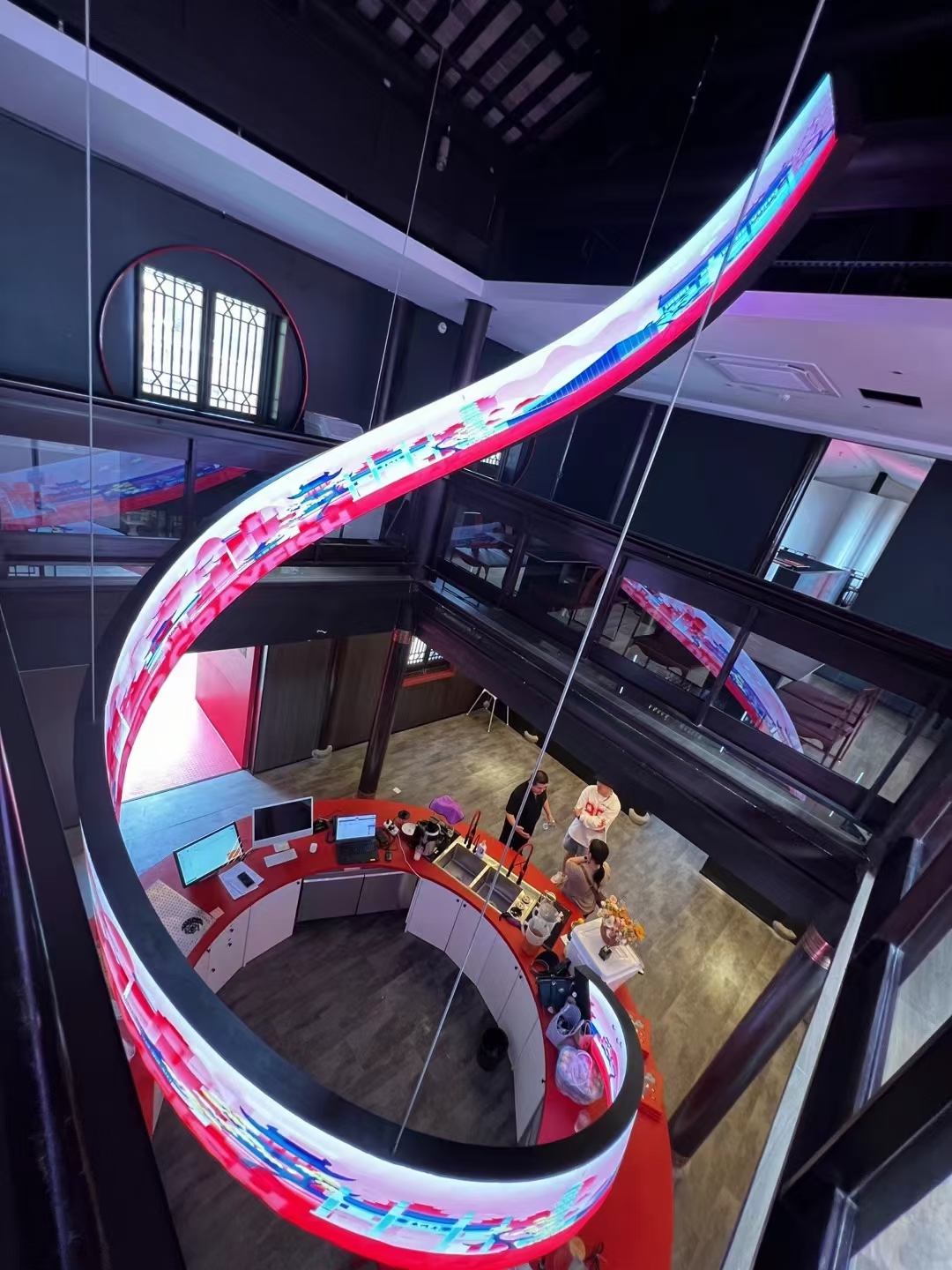
The rise of flexible LED displays: Bendable and foldable flexible LED modules are the most disruptive innovation in the custom-shaped display market. Flexible screens have completely liberated the form factor of screens, easily enabling curved, wavy, and even dynamically deformable display effects. This opens up new possibilities for integrated architectural curtain walls, creative installations, and in-vehicle displays. Flexible screens are becoming a core driver of market growth.
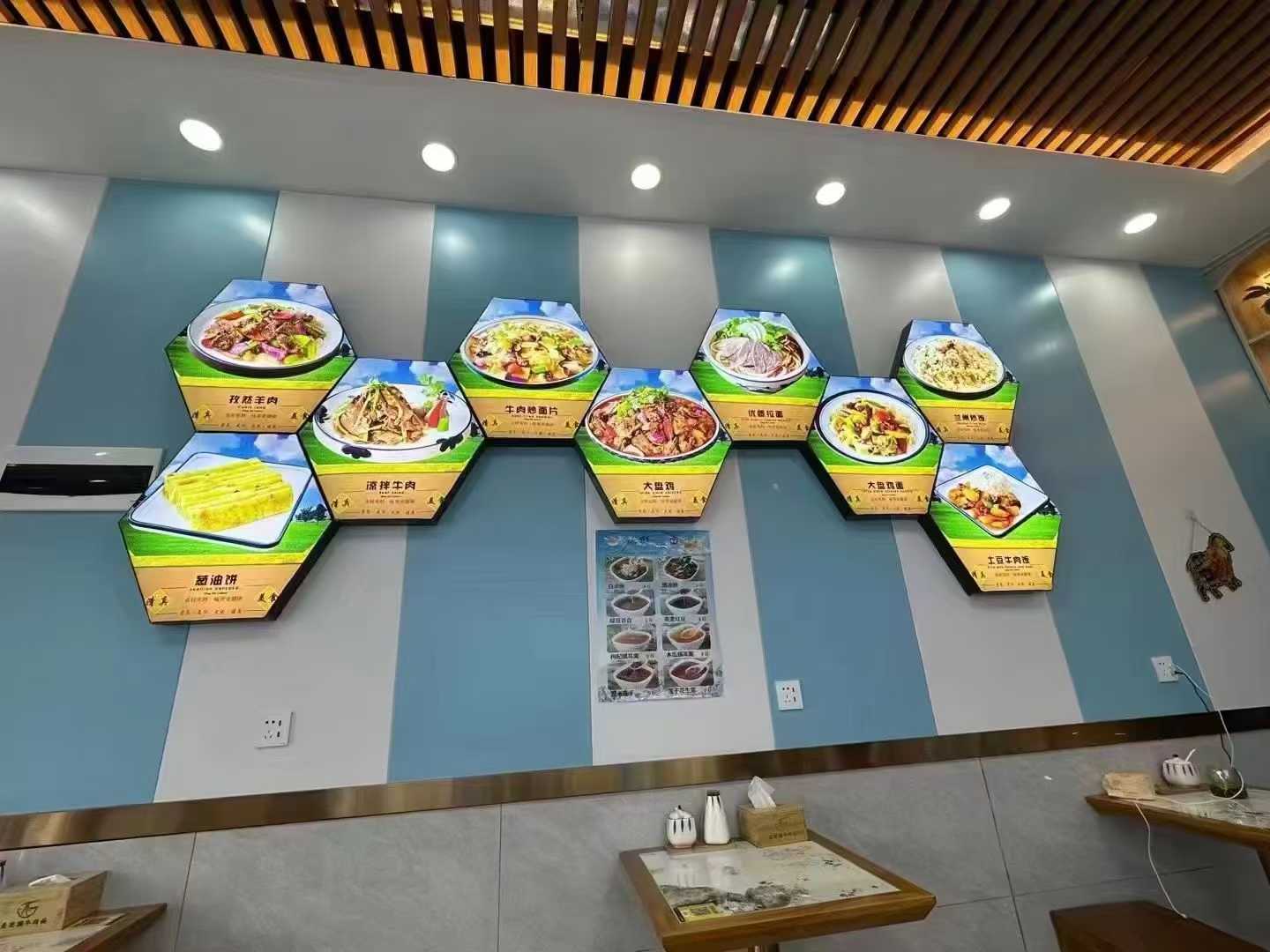
The breadth and depth of application scenarios continues to expand: From large landmark buildings (such as the "C-shaped column" curved screen at Beijing Daxing Airport), cultural and tourism night tours (immersive light shows and interactive landscapes), to high-end commercial spaces (luxury window displays and creative atriums), corporate showrooms, and even small, personalized stage performances, livestream backgrounds, and even high-end home decor, the application of flexible screens is penetrating into a wider range of fields.
Integration of Intelligence and Interactivity: Flexible screens are no longer simply a medium for "one-way" playback. Integrating sensors, AI, and AR/VR technologies, they are evolving into intelligent media that can perceive the environment and interact with people. For example, audience gestures can trigger changes in screen content, and the display can dynamically adjust to weather or traffic flow, greatly enhancing the user experience and the efficiency of information transmission.
Industry Chain Collaboration and Standardization Exploration: Faced with the challenges of customization, the industry is actively promoting standardized interface design for custom-shaped modules and drive control systems, and strengthening the development of content creation tool chains to reduce costs across the entire process, from design and production to content creation, accelerating large-scale application.
The Path to Rational Selection: Multi-Dimensional Consideration and Adaptation to Needs
With a booming market and diverse products, how can you choose the right custom-shaped LED screen? Experts recommend considering the following key dimensions:
Defining the core application scenario and goals: Is it a striking landmark art installation? A commercial display that emphasizes precise information delivery? Or a highly interactive experience space? Different priorities determine budget allocation and technical focus (such as resolution, brightness, refresh rate, and interactivity).
Accurately Evaluate Technical Parameters and Performance:
Pixel Pitch: The closer the viewing distance, the smaller the required pitch (the smaller the P value), but the higher the cost. It's crucial to balance viewing distance with budget.
Brightness and Contrast: High brightness (>6000 nits) is required for outdoor or brightly lit environments, while moderate brightness and contrast are important for indoor use to maintain image quality.
Refresh Rate and Grayscale: A high refresh rate (≥3840Hz) and high grayscale ensure smooth color transitions and smooth, dynamic images with high-speed motion, which is particularly important for stage and sports scenes.
IP Rating: Water and dust resistance (typically starting at IP65) is essential for outdoor applications.
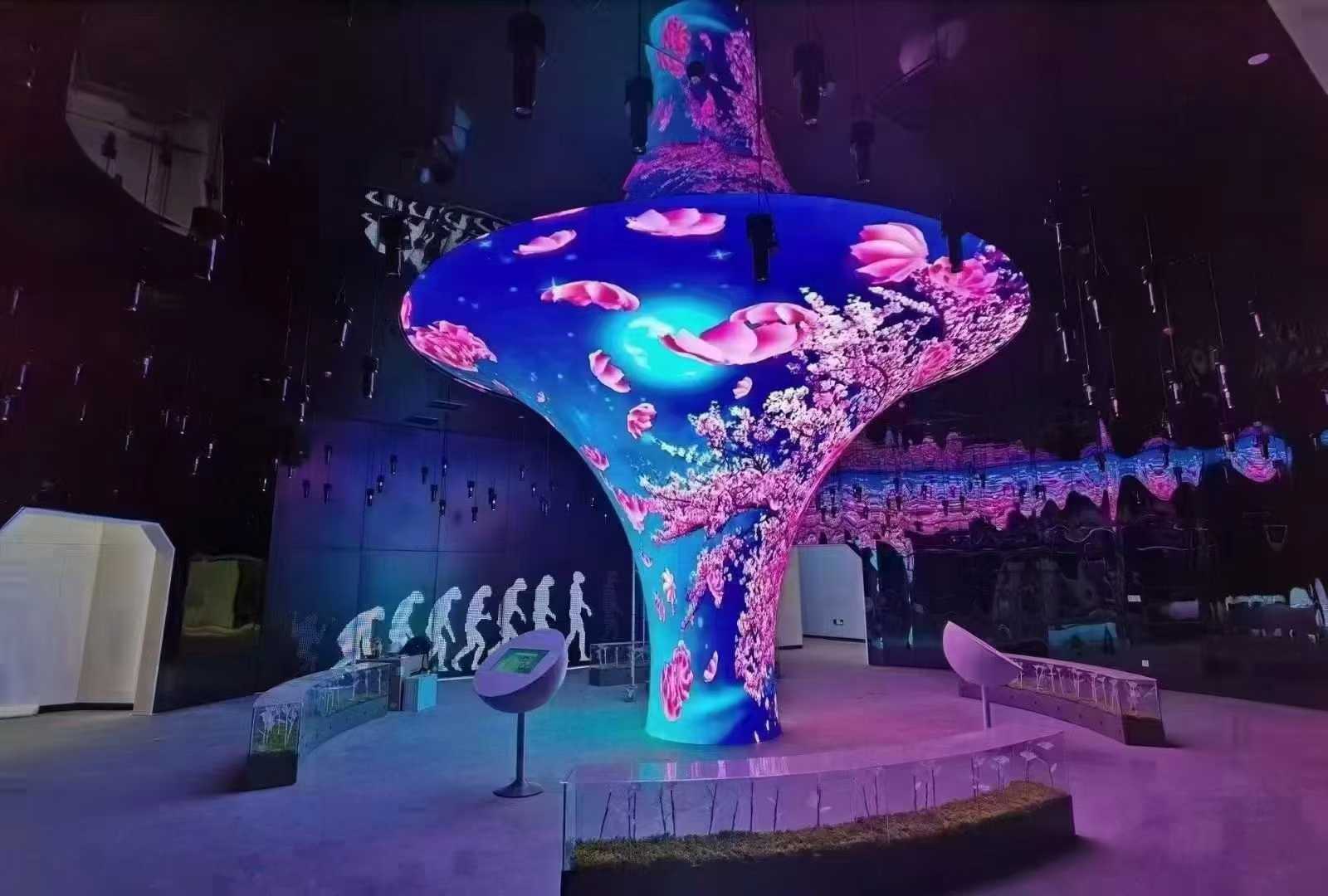
Flexibility Requirements: Need to achieve tight radius bends or dynamic shapes? Choose a professional flexible screen.
Focus on Product Reliability and Ease of Maintenance: Custom-shaped screens have complex structures, making heat dissipation design, module assembly accuracy, and system stability crucial. Choose products with good heat dissipation, a stable structure, and front- and rear-accessible design. Also, consider the manufacturer's installation and debugging capabilities and after-sales response speed.
Investigate the Supplier's Comprehensive Strength and Experience: Custom-shaped screens are highly customized, so the supplier's design capabilities, engineering experience, and successful case studies (especially those for similar scenarios) are key to project success. Strong R&D capabilities and a stable supply chain also determine the cutting-edge nature of the product and its guaranteed delivery.
Content Adaptability and Production Costs: Producing custom-shaped content is more complex than producing traditional flat screens. It's important to evaluate whether the supplier can provide supporting content design services or efficient content production tools/platforms, and understand the associated costs.
Total Cost of Ownership (TCO) Considerations: Beyond the initial purchase and installation costs, it's also important to comprehensively assess long-term electricity costs, maintenance costs, possible upgrades, and the potential commercial value (such as traffic generation and brand enhancement).
Conclusion
LED custom-shaped screens, a display revolution that moves from "square" to "different," are reshaping the way we interact with light and information with their groundbreaking form freedom and powerful visual expression. Empowered by cutting-edge technologies like Mini/Micro LED and flexible displays, their application boundaries will continue to expand. For eager investors and users, a deep understanding of their core value, insight into technological evolution trends, and rational decisions based on scenario needs are crucial to accurately capture the surging opportunities and endless possibilities of this trillion-dollar market in the era of customized visual feasts. The future urban light and shadow paintings will surely become more lively and brilliant due to more "alien" beauty.
 English
 中文
中文