LED Front Desk Screens: The First Landscape of Corporate Digital Image
Forefront: Redefining Corporate Reception Spaces
In today's digital wave sweeping across all industries, corporate reception areas have transformed from mere welcome zones into primary brand image display fronts. Traditional static signage and posters are gradually being replaced by intelligent LED front desk screens. This innovative solution integrating display technology with spatial aesthetics is redefining corporate first impressions. This article provides an in-depth exploration of the core value, technical features, and application scenarios of LED front desk screens, offering professional guidance for enterprises selecting optimal reception display solutions.
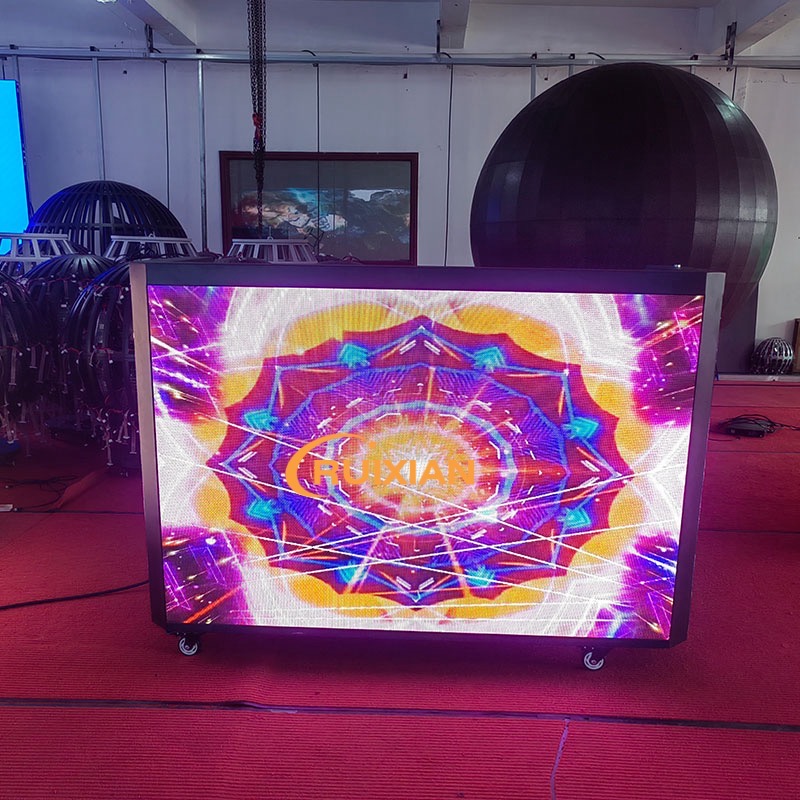
Chapter 1: Multidimensional Value Analysis—Functional Positioning Beyond Display
1.1 Strategic Upgrade of Brand Image
As the first visual touchpoint for visitors, LED front desk screens carry the crucial mission of shaping premium brand image. Market research indicates that companies equipped with high-quality digital front desk screens experience a 47% increase in perceived brand professionalism. This enhancement stems not only from technological modernity but also from the brand vitality and innovative spirit conveyed through dynamic content.
Dynamic brand display systems can present differentiated content according to corporate needs throughout the day: corporate philosophy videos in the morning, real-time business data during work hours, and welcome interfaces during reception periods. This intelligent content management transforms brand image from static symbols into warm, dynamic narratives.
1.2 Efficiency Revolution in Information Delivery
While traditional front desk information updates require manual replacement of printed materials, LED screens enable real-time dynamic updates. Important announcements, meeting schedules, visitor guidance, and other information can be instantly published, ensuring accuracy and timeliness. Studies show digital display methods improve information retention rates by 35% compared to traditional approaches.
In large corporate headquarters, multiple front desk screens can form an information matrix, simultaneously displaying different information layers. Main screens show core corporate values, while auxiliary screens display real-time weather, news, or stock information, providing comprehensive information services to visitors.
1.3 Intelligent Transformation of Visitor Experience
Modern LED front desk screens integrate various interactive technologies to provide immersive visitor experiences. Facial recognition welcome systems, touch navigation interfaces, and automatic multilingual switching make reception processes more intelligent and efficient. In technology parks, visitors can directly book meeting rooms, call reception staff, and even handle basic business procedures through front desk screens.
Chapter 2: Core Technical Features—The Technological Code of Professional Front Desk Screens
2.1 Professional Standards for Visual Performance
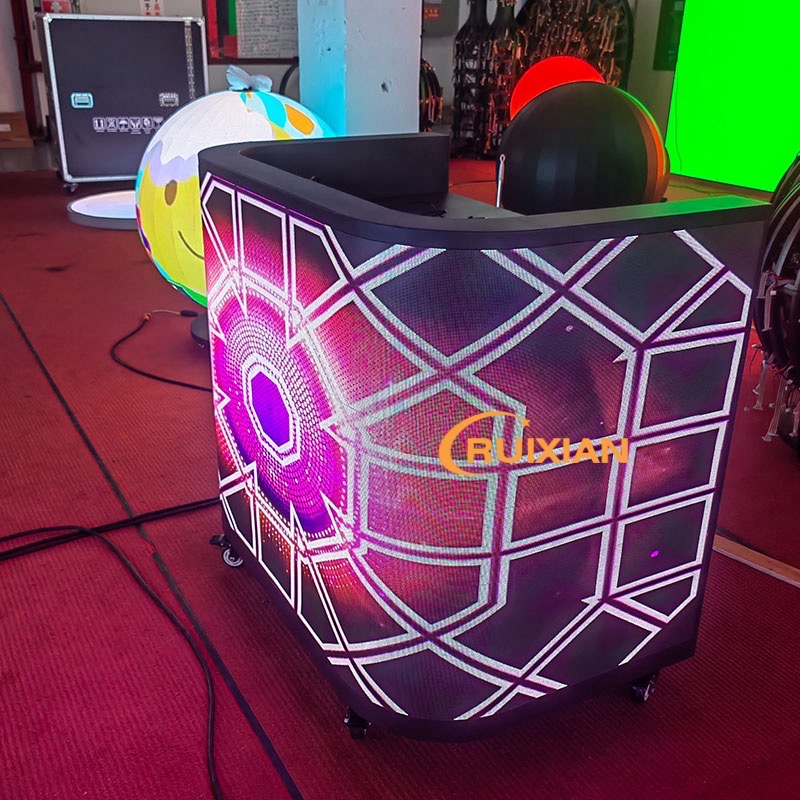
Front desk screens demand extremely stringent display requirements to meet various visual needs at close viewing distances:
Ultra-High Definition Resolution: Utilizing P1.2-P2.5 fine-pitch display bodies, presenting exquisite image quality even at 30-centimeter viewing distances. 4K or even 8K resolution ensures perfect presentation of corporate logos, product details, and other content.
Accurate Color Reproduction: Over 95% DCI-P3 color gamut coverage ensures precise restoration of corporate standard colors. Color consistency reaches professional standards of ΔE<3, with no color deviation from different viewing angles.
Adaptive Brightness Adjustment: Built-in ambient light sensors automatically adjust brightness (100-800cd/m² adjustable) according to lobby lighting conditions. This ensures daytime clarity while preventing nighttime glare.
2.2 Artistic Integration in Industrial Design
Front desk screen design requires balancing technological appeal with corporate aesthetics:
Ultra-Thin Integrated Design: Minimum body thickness of only 25mm, employing seamless splicing technology for perfect integration with front desk background walls. All-metal bodies with various surface treatments (brushed, sandblasted, titanium-plated, etc.) can match different corporate decoration styles.
Modular Installation System: Offers three mainstream installation methods: wall-mounted, embedded, and pillar-mounted. Innovative quick-installation structure design enables installation and debugging within 2 hours, minimizing impact on normal operations.
24/7 Reliable Operation: Utilizing low-power LED chips and efficient cooling systems ensures continuous stable operation. Mean Time Between Failures (MTBF) exceeds 100,000 hours, significantly reducing maintenance costs.
2.3 Deep Integration of Intelligent Systems
Modern front desk screens have evolved into complete intelligent terminals:
Intelligent Content Management: Cloud-based CMS systems support remote content updates manageable via PC, mobile phones, tablets, and other terminals. Smart scheduling allows preset annual content playback plans.
Seamless Multi-System Integration: Standard API interfaces enable deep integration with corporate OA systems, conference systems, and security systems. When visitors arrive, front desk screens automatically retrieve reservation information and display personalized welcome messages.
Data Collection and Analysis: Built-in cameras and sensors can anonymously collect visitor data (dwell time, content focus, etc.), providing data support for front desk service optimization.
Chapter 3: Application Scenario Analysis—Customized Solutions for Different Enterprises
3.1 Corporate Headquarters Lobby Applications
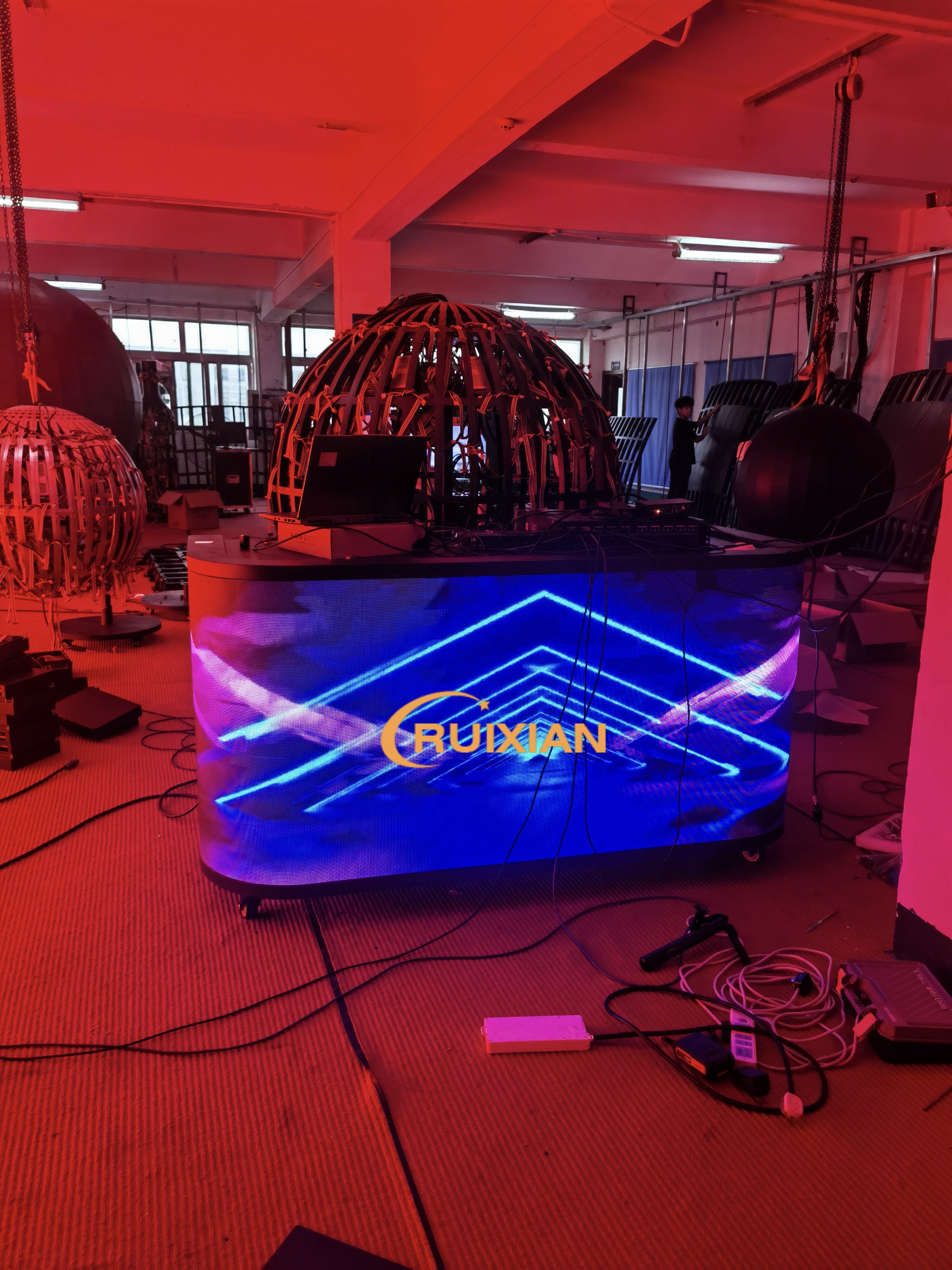
Fortune 500 corporate headquarters tend to choose customized large curved front desk screen solutions. Typically employing P1.8-P2.5 fine-pitch products, screen dimensions are specially designed according to lobby spatial proportions. Content focuses on displaying global presence, core technologies, and sustainable development achievements.
Case Study: A multinational technology company's 12-meter curved front desk screen at its Silicon Valley headquarters displays real-time global data center operations daily, serving as a window to showcase technological capabilities.
3.2 Hotels and Premium Service Venues
Hotel industry front desk screens emphasize balancing design aesthetics with functionality. Typically choosing ultra-thin embedded installation, integrating seamlessly with marble or wooden front desks. Content primarily includes hotel introductions, service guides, and local tourism information, supporting multilingual switching.
Special features include: real-time flight information display, weather alert notifications, restaurant reservation system integration, enhancing guest service experiences.
3.3 Medical Institutions and Public Services
Medical facility front desk screens emphasize information clarity and ease of use. High-contrast display technology ensures readability for elderly visitors. Content management systems deeply integrate with hospital queuing systems and department navigation systems.
During the pandemic, many hospitals added practical functions like fever clinic guidance and epidemic prevention knowledge dissemination, fully leveraging information dissemination's social value.
Chapter 4: Selection and Implementation Guide
4.1 Needs Assessment Model
Enterprises should systematically evaluate the following dimensions before selecting front desk screens:
Evaluation Dimension Key Questions Selection Impact
Spatial Conditions Front desk width, viewing distance, ambient brightness Determines screen size and brightness
Brand Requirements Corporate VI standards, content update frequency Affects color gamut requirements and system selection
Functional Needs Interactivity needs, system integration requirements Determines hardware configuration and software solutions
Budget Range Initial investment vs. long-term operational costs Balances performance and ROI
4.2 Implementation Roadmap
Successful project implementation requires scientific planning:
Phase One: Needs Deepening (1-2 weeks)
Site survey and lighting tests
Usage scenario simulation analysis
Functional requirements confirmation
Phase Two: Solution Design (2-3 weeks)
Hardware selection and technical solutions
Content strategy and visual design
Installation engineering plans
Phase Three: Installation and Debugging (1-2 weeks)
Non-business hour installation
Multiple display effect calibrations
Staff operation training
Phase Four: Operational Optimization (ongoing)
Content updates and maintenance
Usage data analysis
Regular effectiveness evaluations
Chapter 5: Future Development Trends
5.1 Technology Integration Innovations
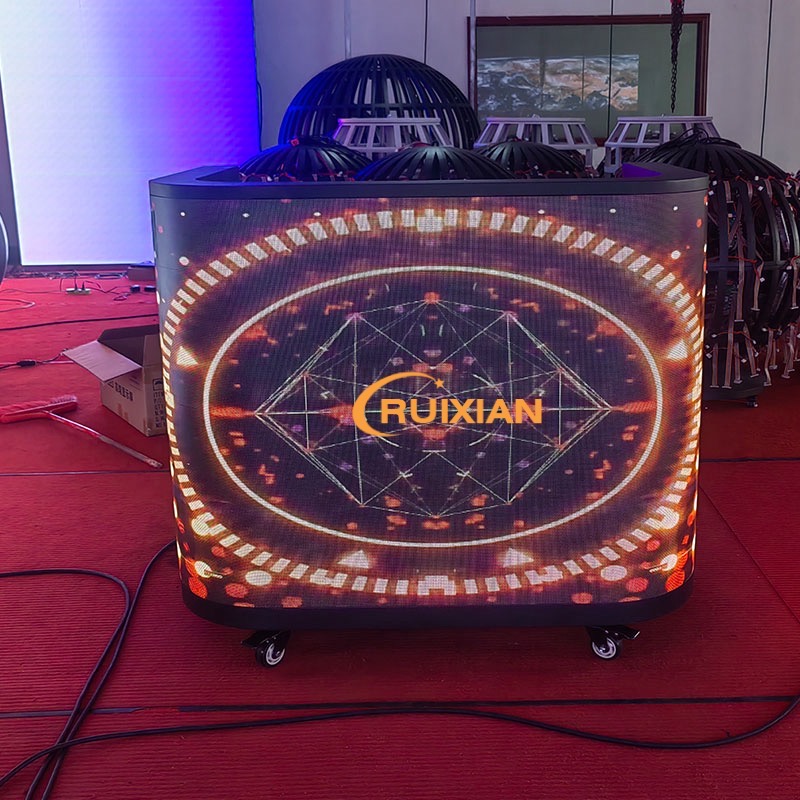
Next-generation front desk screens will deeply integrate various emerging technologies:
Holographic Display Technology: Naked-eye 3D effects will elevate product displays to new dimensions, allowing corporate products to "float" above front desks in three-dimensional forms.
AI Interaction: Integrated AI voice assistants and emotion recognition systems can adjust welcome content and tone based on visitor emotions.
IoT Deep Integration: Comprehensive connection with corporate smart building systems, serving as visual terminals for building management systems.
5.2 Sustainable Development Directions
Environmental concepts will profoundly influence front desk screen development:
Energy-saving Technology Breakthroughs: New Micro LED technology will reduce power consumption by 60% while extending service life to over 15 years.
Material Recycling: Utilizing recyclable materials and modular design enables over 85% material recovery after product retirement.
Carbon Neutral Certification: Pursuing minimal carbon footprint throughout product lifecycle, obtaining authoritative environmental certifications.
Conclusion: Choosing More Than Screens—Choosing Corporate Future
Selecting LED front desk screens transcends simple equipment procurement decisions. It represents strategic investment in corporate digital image, forward-looking planning for visitor experiences, and vivid interpretation of corporate innovation image.
At the crossroads of digital transformation, an excellent front desk screen solution should: embody advanced technology while remaining invisible behind design, offer powerful functionality with extremely simple operation, deliver stunning effects with stable and reliable performance. It should become a digital carrier of corporate culture, silently conveying brand power while creating connection value through interaction.
When visitors enter lobbies, their first sight should no longer be cold stone and wood, but intelligent screens flowing with corporate soul—this may be the best first impression the digital era offers enterprises. Choosing appropriate front desk screens means choosing to make every visit an engaging opening chapter of brand storytelling.
 English
 中文
中文