LED immersive environment becomes a new business engine
LED immersive environment becomes a new business engine: the "trinity" value explosion of traffic, premium, and brand upgrade
Introduction
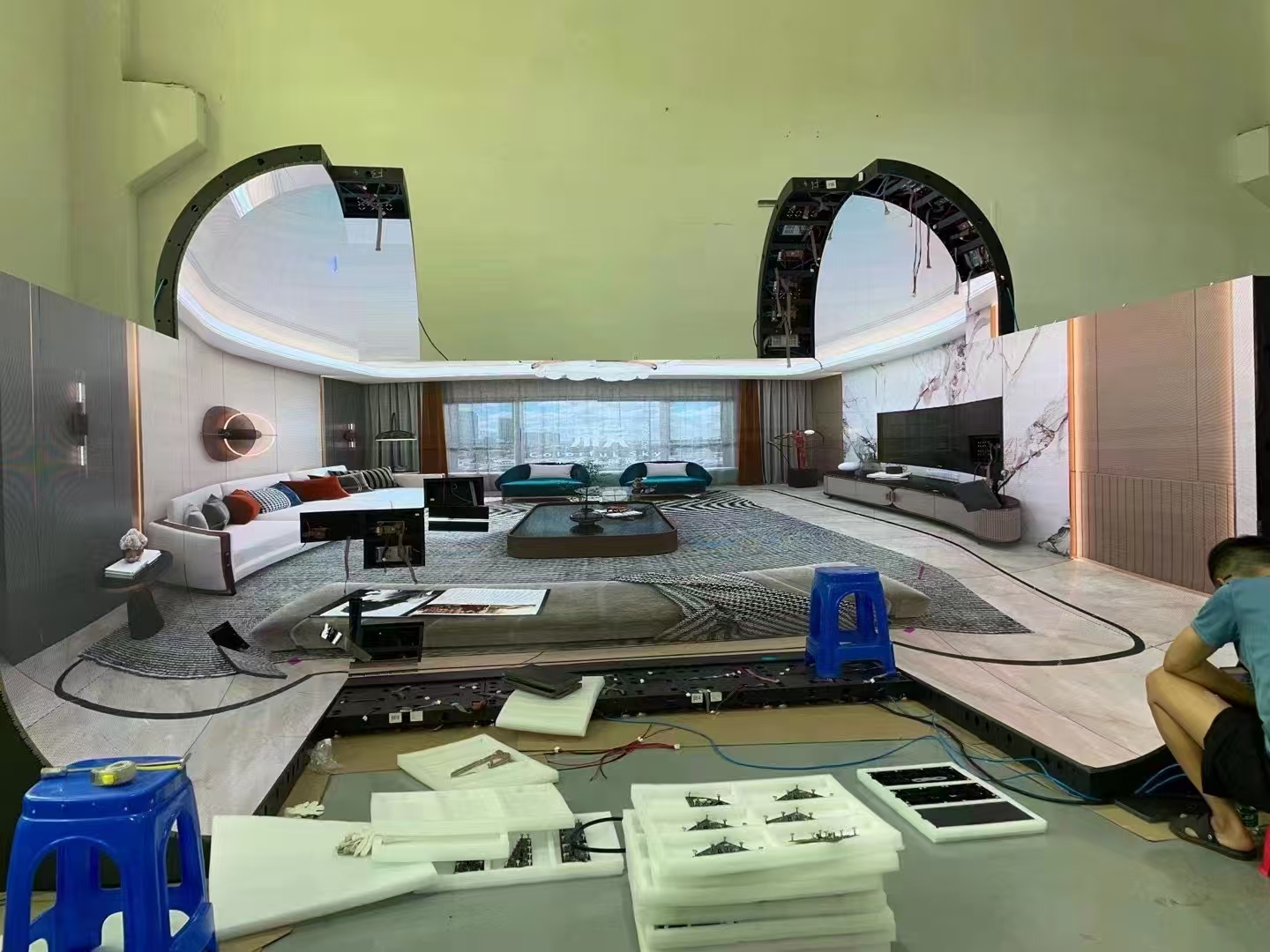
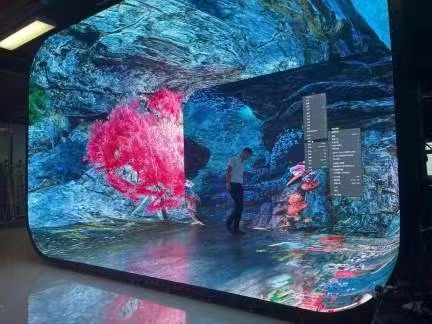
When tourists step into the newly built "Star Exploration Hall" in a first-tier city, the 360-degree LED giant screen instantly wraps people into the vast universe, and touching the "planet" with fingertips can trigger interactive information flow-such scenes are spreading from technology exhibition halls to shopping malls, hotels, cultural and tourism scenic spots and even corporate exhibition halls. According to the "2025 Global Immersive Experience Economy White Paper", the market size of LED immersive solutions has increased by 67% year-on-year, becoming the core gripper for upgrading commercial space in the post-epidemic era. The business logic behind it is far more than just visual shock.
1. Traffic reconstruction: a consumption revolution from "passing by" to "staying"
The biggest pain point of traditional commercial space is "not being able to keep people". The LED immersive environment significantly extends the customer's stay time by creating strong sensory stimulation.
Case confirmation: After a shopping mall in Shanghai renovated the "Underwater World" theme atrium, the average customer stay time increased from 8 minutes to 25 minutes, driving the surrounding stores to increase their average customer price by 40%.
Social fission effect: Beijing SKP-S relied on the Mars-themed LED immersive space, with more than 200 million social media exposures in the first month of opening. The "check-in-spread-drainage" formed a closed loop, and the customer acquisition cost was reduced by 60%.
2. Experience premium: a new consumption logic that pays for "emotional value"
When basic functional consumption turns to emotional consumption, LED immersive environment becomes the best carrier.
Cultural tourism field: Huangshan Scenic Area has created a "Four Seasons Light and Shadow Canyon", and the night ticket price has doubled but it is still hard to get a ticket, and the proportion of secondary consumption income has risen to 35%.
Retail disruption: The beauty brand "X-Meta" deploys AI interactive mirror LED walls in its flagship store. Customers can switch to deserts, polar regions and other scenes with one click to test the product effect, and the conversion rate has increased by 90%.
3. Brand technology empowerment: from "functional communication" to "value resonance"
Enterprise exhibition halls use LED immersive technology to achieve qualitative changes:
Automotive industry: Weilai Automobile uses the CAVE system (cave-like virtual reality environment) to allow users to "drive" concept cars through future cities, shortening the order conversion cycle by 50%.
Real estate marketing: Vanke digital exhibition hall restores the growth process of buildings with LED scroll screens, customer decision-making efficiency increased by 70%, and project premium reached 15%.
V. Spatial asset appreciation: "digital renewal" of old scenes
Existing commercial transformation ushered in a new solution:
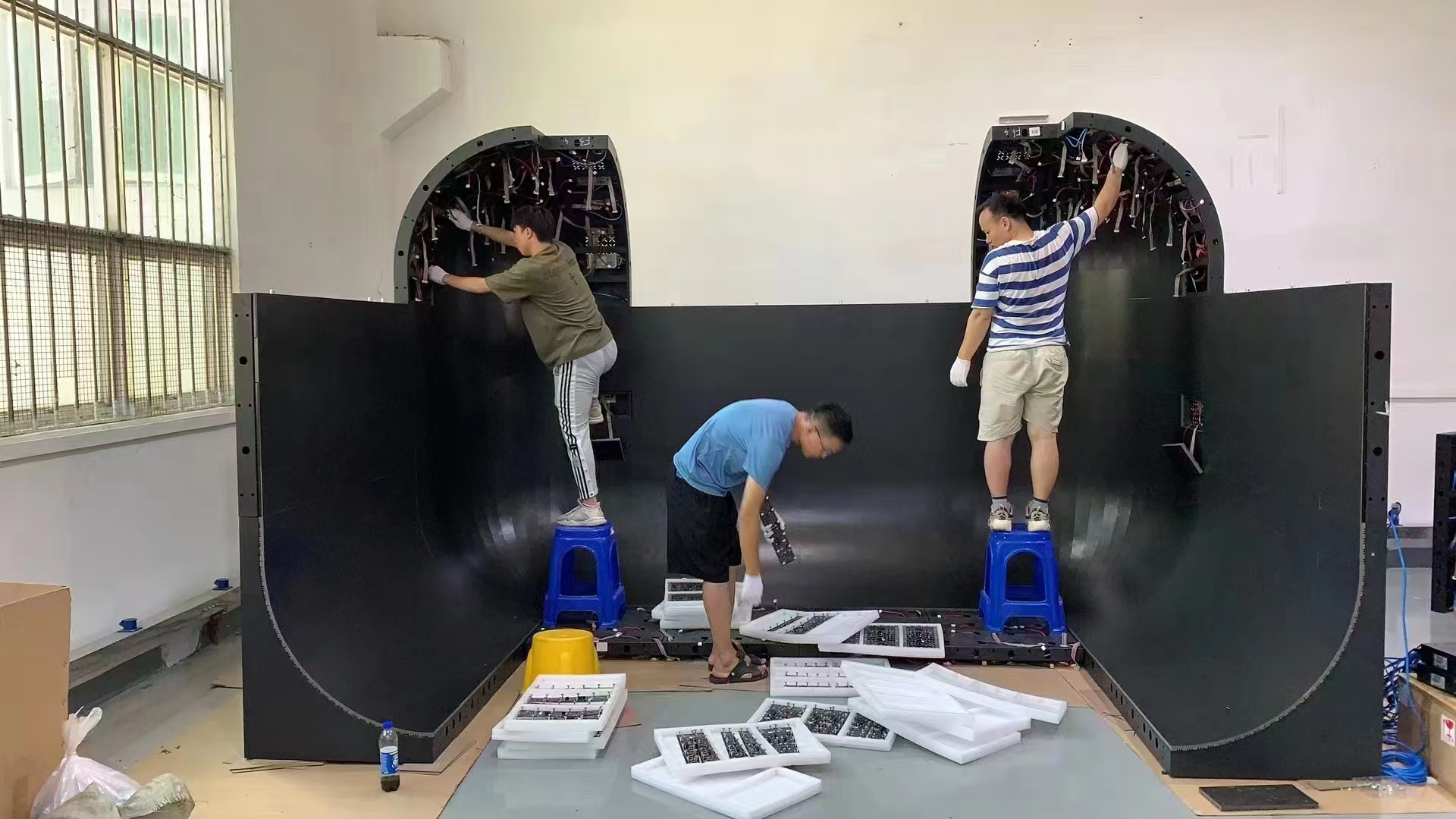
Theater rebirth: Guangzhou Centennial Theater introduced a 270-degree LED dome, traditional Cantonese opera integrated with dynamic starry sky background, and the attendance rate jumped from 30% to 98%.
Hotel breakthrough: A resort hotel in Sanya created a "full curtain wall sea view suite", the wall LED synchronized with the outdoor landscape in real time, and the room price increased by 300% but still in short supply.
V. Data gold mine: business intelligence behind immersive interaction
Technology iteration spawns new business models:
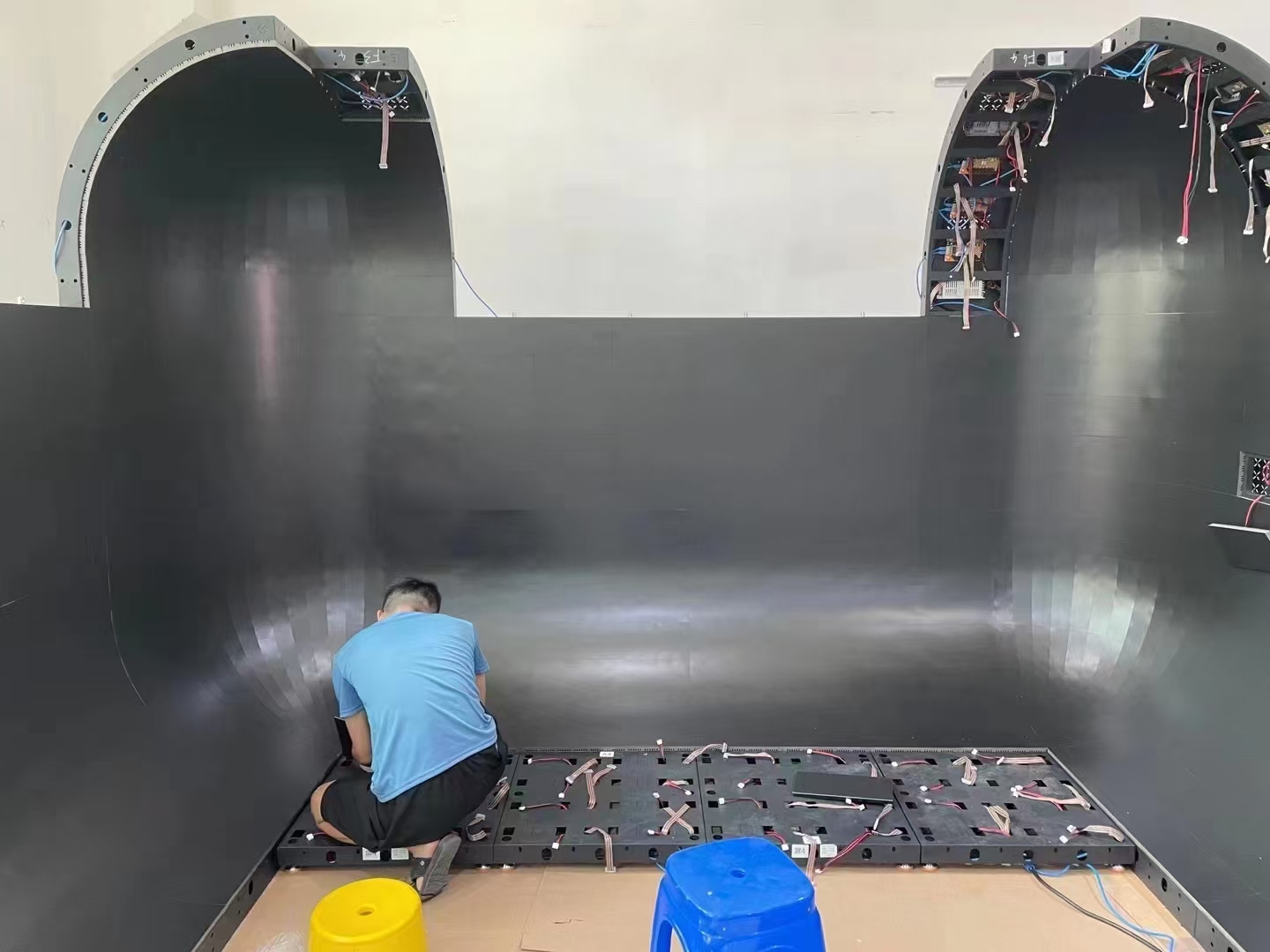
Behavioral data collection: Gesture interactive LED wall can record user movement lines and focus on hot spots, providing accurate basis for product design.
Dynamic content realization: The LED space of an art exhibition hall switches the theme scenes of cooperative brands by the hour, and the daily rental income exceeds one million.
Industry Challenges and Future OutlookDespite the broad prospects, the industry still faces pain points such as high content production costs and inconsistent technical standards. Experts pointed out: "2025 will be a watershed year. AI generated content (AIGC) technology is expected to reduce production costs by 70%, and 5G+ cloud computing will solve the bottleneck of real-time rendering. By then, the LED immersive experience will change from a luxury to a standard in commercial spaces."
Conclusion
From traffic diversion tools to brand assets, from scene packaging to data entry, LED immersive environments are reconstructing the commercial value coordinate system. As the technology cost curve continues to decline, this commercial revolution triggered by light and shadow has just begun.
 English
 中文
中文