LED display the core driving force of modern exhibition hall design
LED display the core driving force of modern exhibition hall design
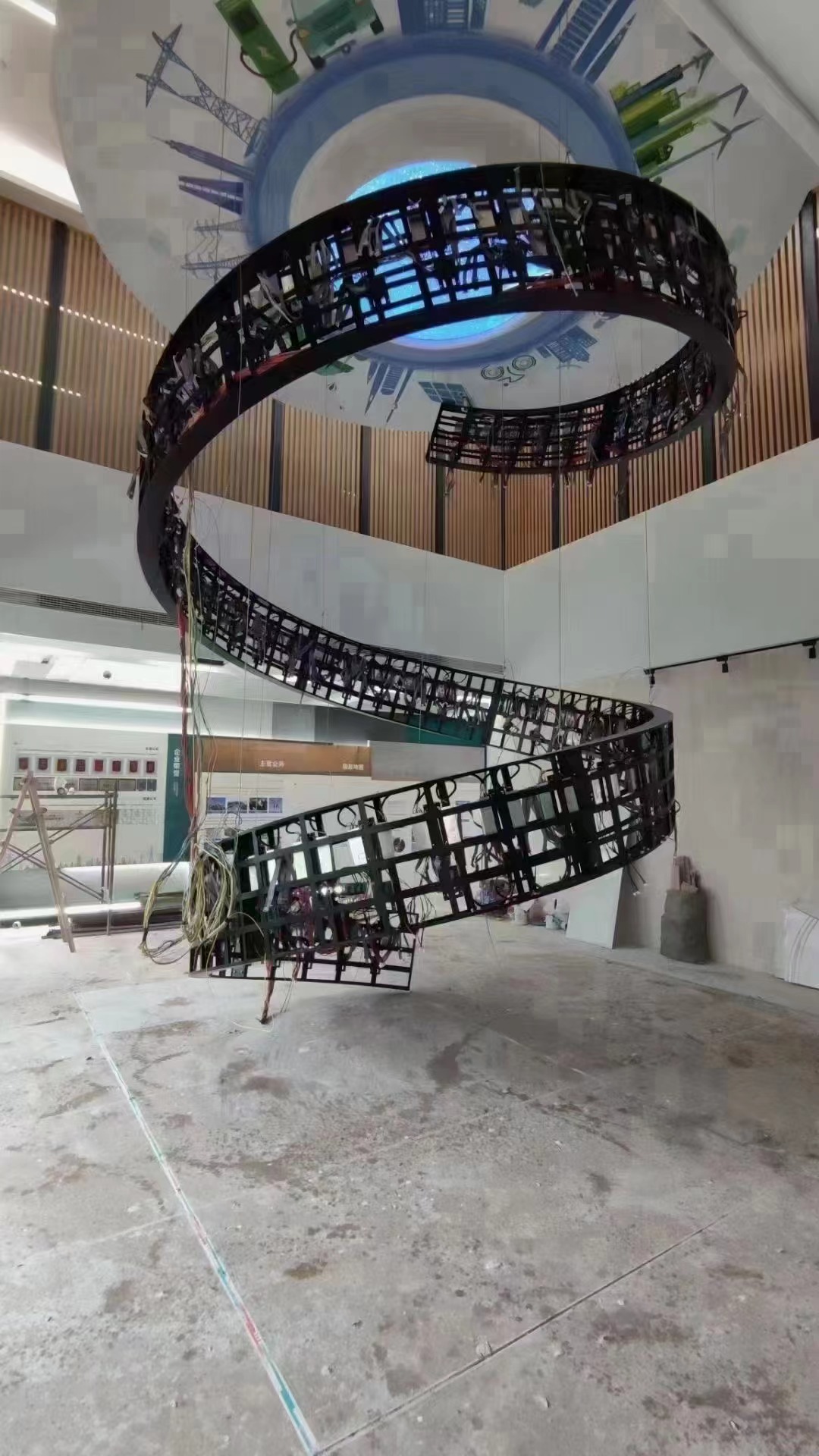
Today, as the wave of digitalization sweeps the world, exhibition hall design has long bid farewell to the constraints of static display boards and single light boxes. As the core carrier of information transmission and visual presentation, LED display screens are rapidly becoming an indispensable "digital canvas" and "smart window" in modern exhibition hall design with their revolutionary technical characteristics, opening up an unprecedented immersive experience journey for the audience and giving curators strong control over content and space shaping power.
Visual shock, creating a new dimension of immersive space
The core advantage of LED display screens lies first in their unparalleled visual expression. The high brightness characteristics ensure that exhibits are clear and sharp even in bright ambient light, saying goodbye to the embarrassment of traditional projection being "eclipsed" under strong light. The contrast ratio of millions or even higher makes the deep dark parts and dazzling bright parts in the picture clearly layered, and the details are clearly visible, giving the exhibits a fresh vitality.
What is even more amazing is its wide color gamut coverage, which can accurately restore the rich colors of nature, allowing artworks, cultural relics or product designs to present the most authentic and full visual effects. Whether it is the delicate texture of the thousand-year-old cultural relics in the museum or the complex structure of the precision instruments in the science and technology exhibition hall, the LED screen can reproduce it faithfully. From the huge seamless arc main visual wall, to the interactive digital scroll on the ground, to the information galaxy flowing overhead, the LED screen breaks the inherent framework of the physical space with its infinite plasticity of form, and constructs a multi-dimensional narrative environment, allowing the audience to be immersed in the unique atmosphere created by the exhibition theme.
Flexible and efficient, giving content and space unlimited possibilities
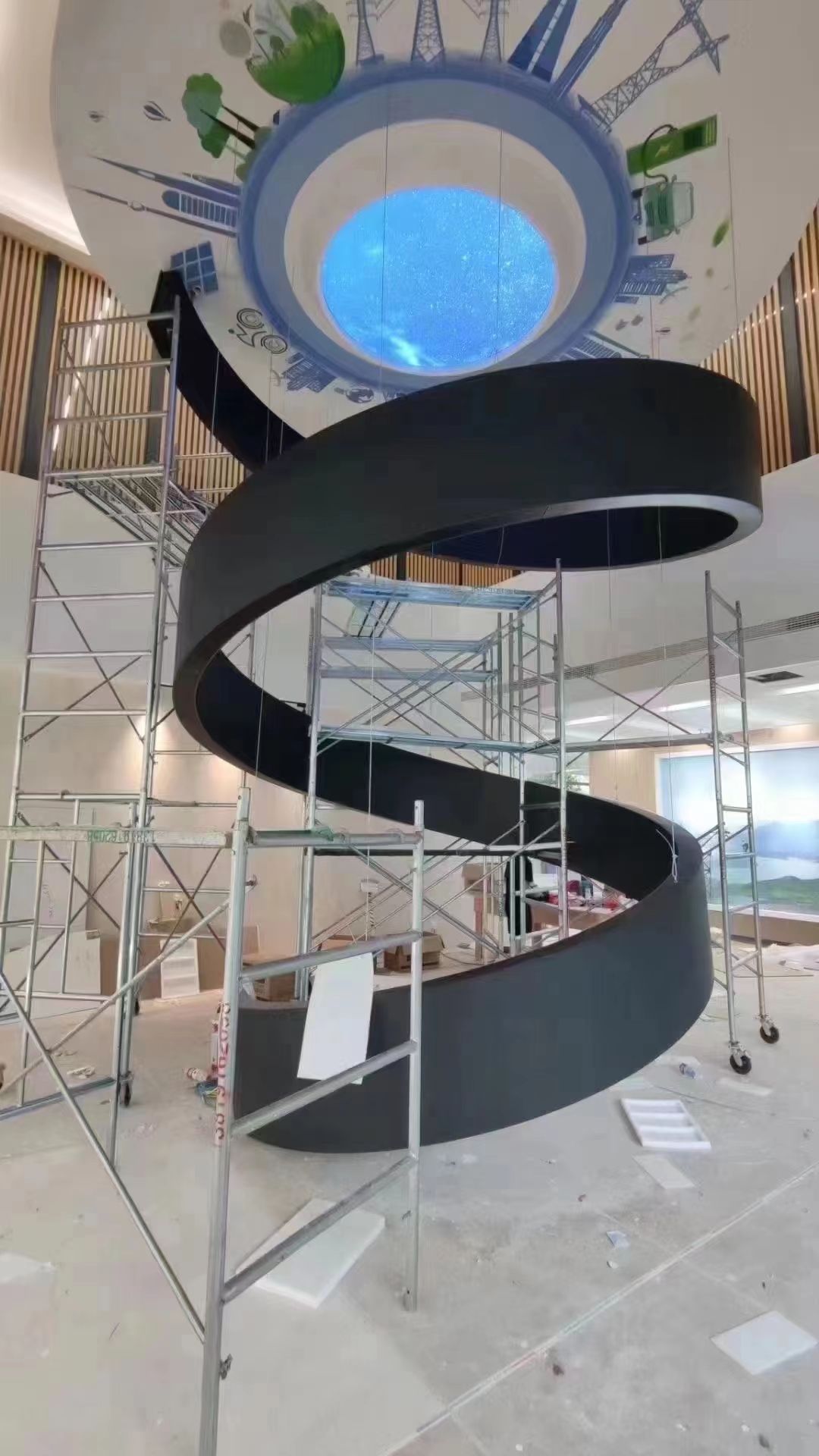
In the fast-paced information age, the content of the exhibition hall needs to keep pace with the times. The dynamic update capability of the LED display can be called an efficiency revolution for the curator. Say goodbye to the cumbersome printing, transportation and replacement process of traditional materials, and you can instantly refresh the global or partition content with just background operations. New product releases, event previews, and real-time data streams can all be accurately delivered to the target screen at the first time, ensuring the timeliness and freshness of exhibition hall information, and greatly reducing the material cost and manpower investment of long-term operations.
In terms of space utilization, LED screens are a model of "small wins big". Ultra-thin body and flexible installation methods (wall-mounted, hoisted, embedded, independent, etc.) are particularly suitable for urban exhibition halls where every inch of land is valuable. The amount of information that a large screen can carry and dynamically rotate far exceeds that of an entire static exhibition wall. It is both an ocean of information and a magician of space, maximizing the release of precious physical space, leaving the audience with a more comfortable activity area and a more focused exhibition experience.
Interactive empowerment, building a bridge for deep participatory experience
One of the core demands of modern exhibition halls is to break the barriers between the audience and the exhibits and stimulate active participation. With its natural electronic interactive properties, LED display screens have become an ideal platform to achieve this goal. By integrating cutting-edge technologies such as multi-touch, radar sensing, face recognition, and motion capture, the screen is no longer a "cold medium" with one-way output, but has become an "intelligent body" that can perceive, communicate, and respond.
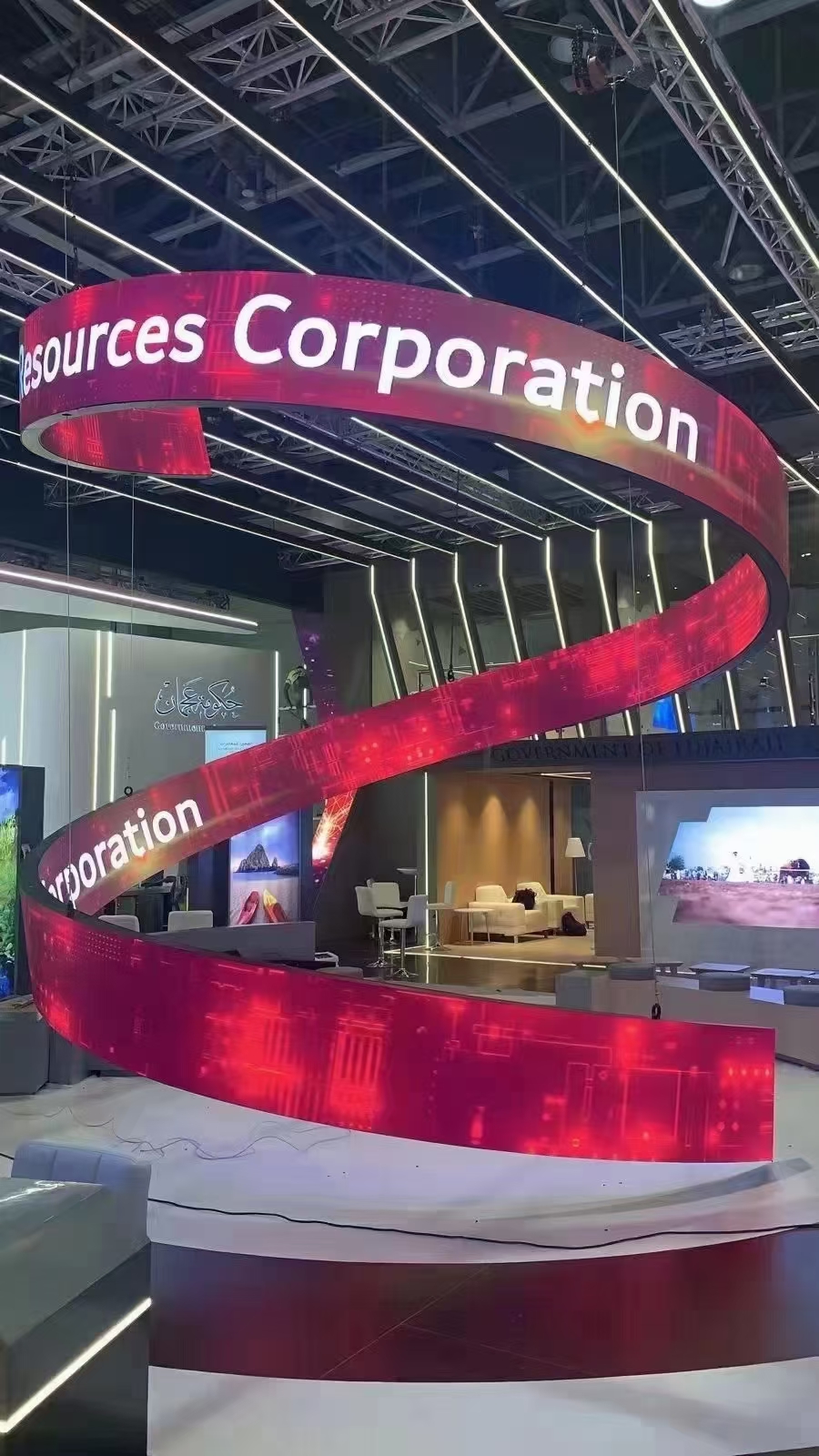
Visitors can touch the screen with their own hands, zoom in and out to view the 3D model of the product, and disassemble the internal structure; wave their arms to "command" the flow and change of digital content in the air; and even get personalized tour route recommendations through face recognition. This deep interactivity transforms the audience from a passive "spectator" to an active "participant" and "co-creator", greatly improving the fun, memory points, and knowledge retention rate of the exhibition. Every click and every wave is an opportunity to establish an emotional connection with the theme of the exhibition.
Green, lasting, and a wise choice for sustainable development
In today's advocacy of green and low-carbon, the energy-saving and environmentally friendly characteristics of LED technology have become an important consideration in exhibition hall design. Compared with traditional high-energy-consuming projection or light box lighting, the power consumption per unit area of LED display screens is significantly reduced, and the luminous efficiency is higher and the heat dissipation is less. Long life (usually up to 100,000 hours or more) means less equipment replacement frequency, effectively reducing the generation of electronic waste and subsequent maintenance costs. Its stable and reliable operation performance provides exhibition halls with all-weather, long-lasting high-quality visual assurance, which is in line with the pursuit of sustainable operations by modern enterprises and social institutions.
Value sublimation, achieving the commanding heights of brand and communication
In general, the deployment of LED display screens in exhibition halls is a strategic upgrade of brand image and information communication. The dazzling visual effects and cutting-edge technology it presents intuitively convey the brand's innovative strength and contemporary position. Accurate, flexible and dynamic content management ensures that core information reaches the target audience in the most appropriate form at the most appropriate time. The integration of interactive elements deepens the emotional resonance between the brand and the audience. In the fierce market competition, a smart exhibition hall equipped with advanced LED display technology can undoubtedly attract attention, convey value, and retain memory more effectively, becoming the commanding heights of brand building and market communication.
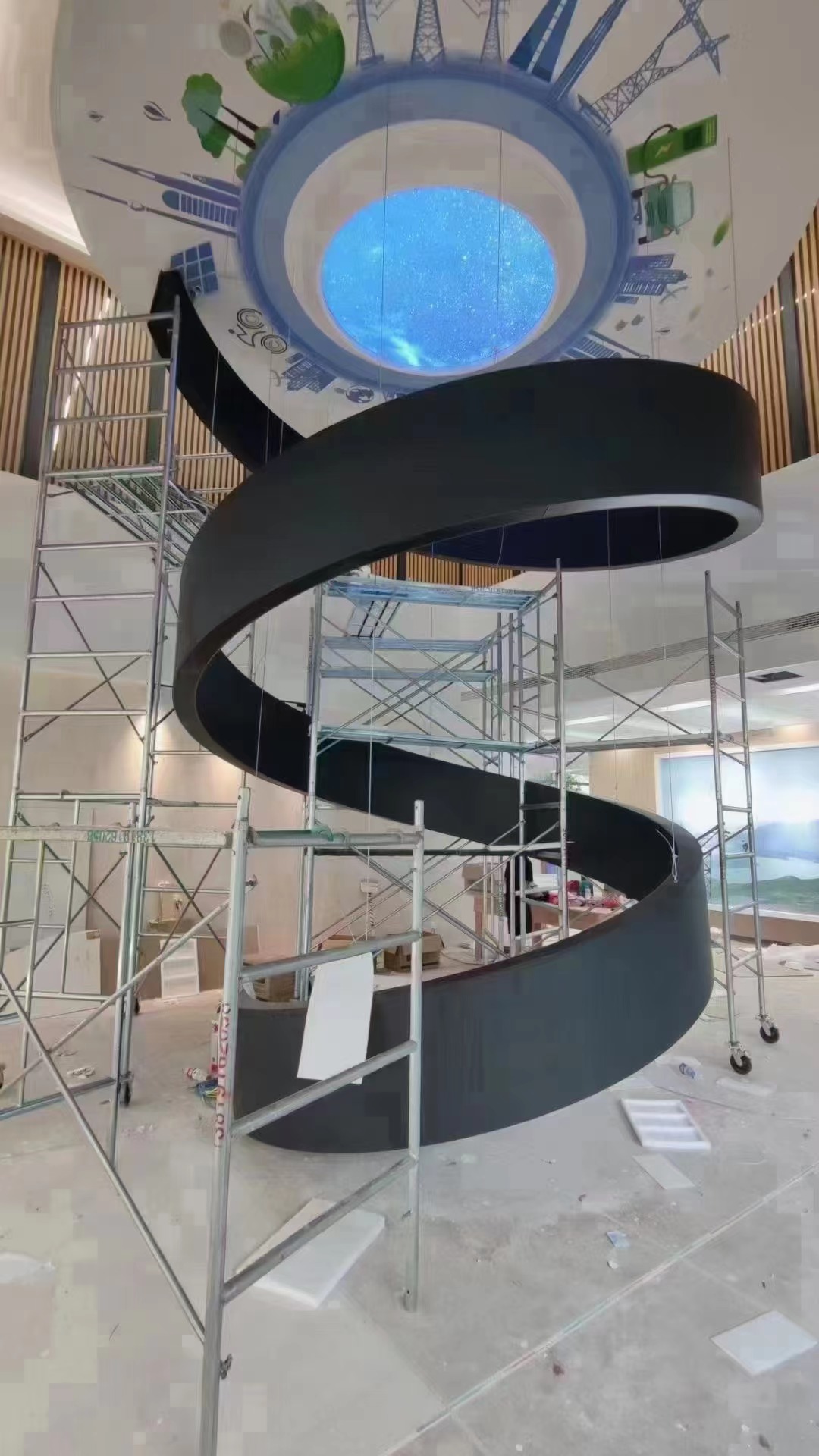
With the continuous breakthroughs in technologies such as small-pitch LED, Micro LED, transparent screens, and flexible screens, and the decline in application costs, the potential boundaries of LED displays in exhibition hall design are still expanding. It not only redefines the standards of visual presentation, but also reconstructs the interaction paradigm between people, information, and space at a deeper level. Choosing LED means choosing to embrace the future of exhibition hall design - a smarter, more immersive, more connected, and more sustainable future. When the lights go out and the screen lights up, the exhibition hall is no longer just a physical container, but sublimated into a digital experience field full of infinite possibilities.
 English
 中文
中文