Conference room LED display design program - to create efficient and intelligent meeting space
Customized design solutions and product selection strategies for conference room LED displays - creating efficient and intelligent conference spaces
With the acceleration of digital transformation, 89% of the world's top 500 companies have listed smart display devices as core projects for conference room upgrades (Gartner 2023 report). As the visual center of modern conference spaces, LED displays are evolving from a single display tool to an intelligent terminal that integrates collaboration, interaction, and decision support. This article systematically analyzes the customized design logic, scientific selection strategy, and commercial value created by conference room LED displays.
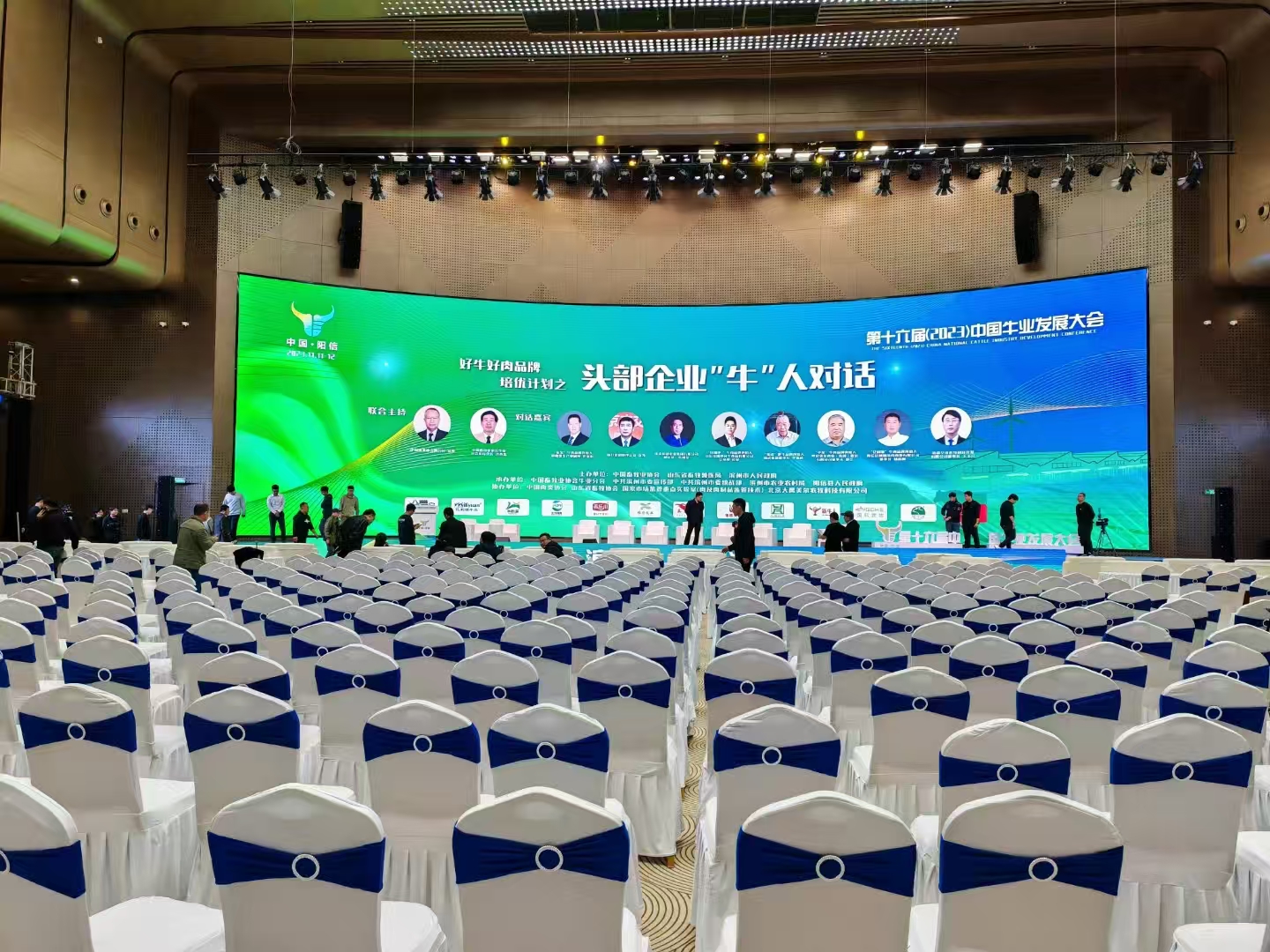
1. Customized design of three-dimensional model of conference room LED screen
1. Space adaptability design
① Comparison table of conference room types and screen specifications
Conference room type Area range Recommended screen size Installation method
Executive round table conference room 15-30㎡ 138-163 inches Lift-type embedded installation
Medium-sized multi-functional hall 50-100㎡ 216-324 inches Curved splicing wall + mobile bracket
Remote video conference room 30-60㎡ 163-216 inches Rotatable floor screen
Stepped lecture hall 200㎡+ 400-600 inches Modular combination screen
② Ergonomic parameters
Horizontal viewing angle: The angle between the center point of the main screen and the first row is ≤15° (to avoid neck fatigue)
Vertical viewing distance: Screen height = 1/6×maximum viewing distance (NEMA standard)
Brightness gradient: The bottom brightness is 20% higher than the top (to compensate for the influence of ambient light)
2. Display performance customization plan
① Resolution intelligent matching algorithm
Dynamic adjustment based on conference content type:
Copy
Basic resolution = max(source resolution, 0.3×screen width/viewing distance)
Example: 4m wide screen, 8m viewing distance → 0.3×4000mm/8000mm=0.15mm/pixel → equivalent to P1.5
②Optical parameter configuration matrix
Environmental conditions Brightness (nits) Contrast Color gamut coverage
High light conference room 1200-1500 5000:1+ Adobe RGB 98%
Conventional conference room 800-1000 3000:1 sRGB 130%
Dark environment theater mode 300-500 10000:1 DCI-P3 95%
3. Intelligent interactive system integration
Wireless screen projection: support Miracast/AirPlay dual protocols, delay ≤40ms
Multi-screen collaboration: can achieve synchronous control of 1 main screen + 4 secondary screens (pixel-level alignment error ≤0.2mm)
AI enhanced functions:
Voice tracking: 8 array microphones automatically lock the speaker, and the screen is intelligently split
Document optimization: real-time improvement of PPT text sharpness (CV algorithm enhanced to 200% readability)
Meeting minutes: OCR recognition accuracy ≥98% (supports real-time transcription in 12 languages)
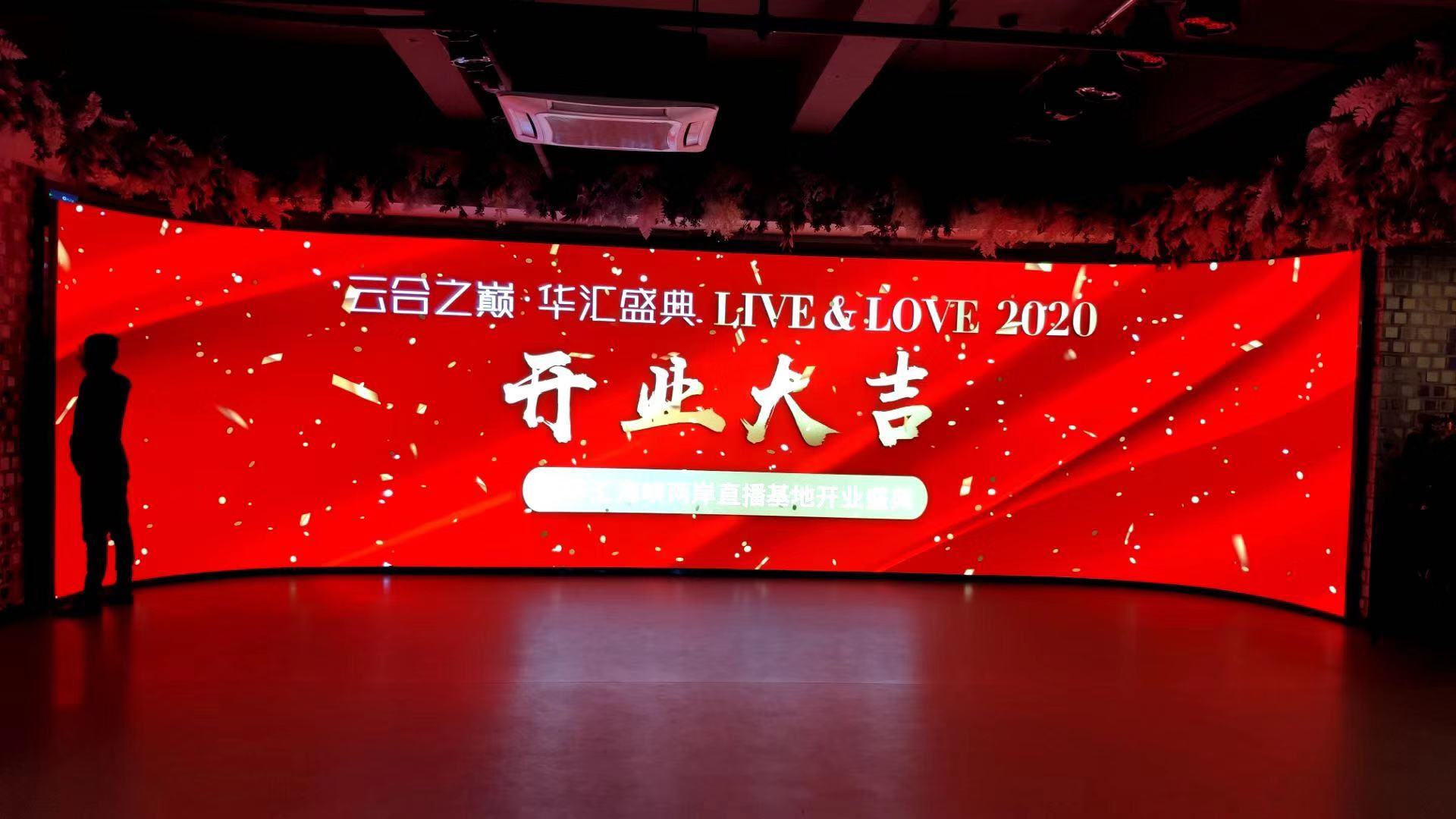
II. Four-step scientific selection method
1. Scenario demand hierarchical evaluation
Requirement level Feature description Recommended product line
Basic level Local document display SMD P2.5-COB packaging
Advanced level Video conferencing + multi-screen interaction Micro LED P1.2
Professional level 4K medical imaging/engineering drawings Flip chip P0.9
Flagship level Mixed reality collaboration Transparent screen + touch layer
2. Key parameter comparison dimensions
① Packaging technology selection guide
Technology type Advantages Applicable scenarios
SMD Low cost, easy maintenance Regular meetings, limited budget
COB anti-collision and shock resistance, excellent heat dissipation High-frequency conference room
Micro LED ultra-high contrast (1,000,000:1) Medical/design review
② Refresh rate and grayscale requirements
Video conference: ≥3840Hz refresh rate (eliminating screen tearing)
Data chart: 16bit grayscale (accurately presenting 0-100% gradient)
Dynamic demonstration: HDR10 standard (peak brightness ≥1000nits)
3. Cost-benefit analysis model
Copy
Return on investment (ROI) = (annual time saving value + decision-making efficiency improvement benefits) / total equipment cost
Case: After a company deployed a P1.2 screen:
- Meeting time was reduced by 28% (annual saving of 1560 working hours)
- Project decision cycle was shortened by 19%
- ROI reached 217% (calculated over a 3-year period)
III. Core value created for meetings
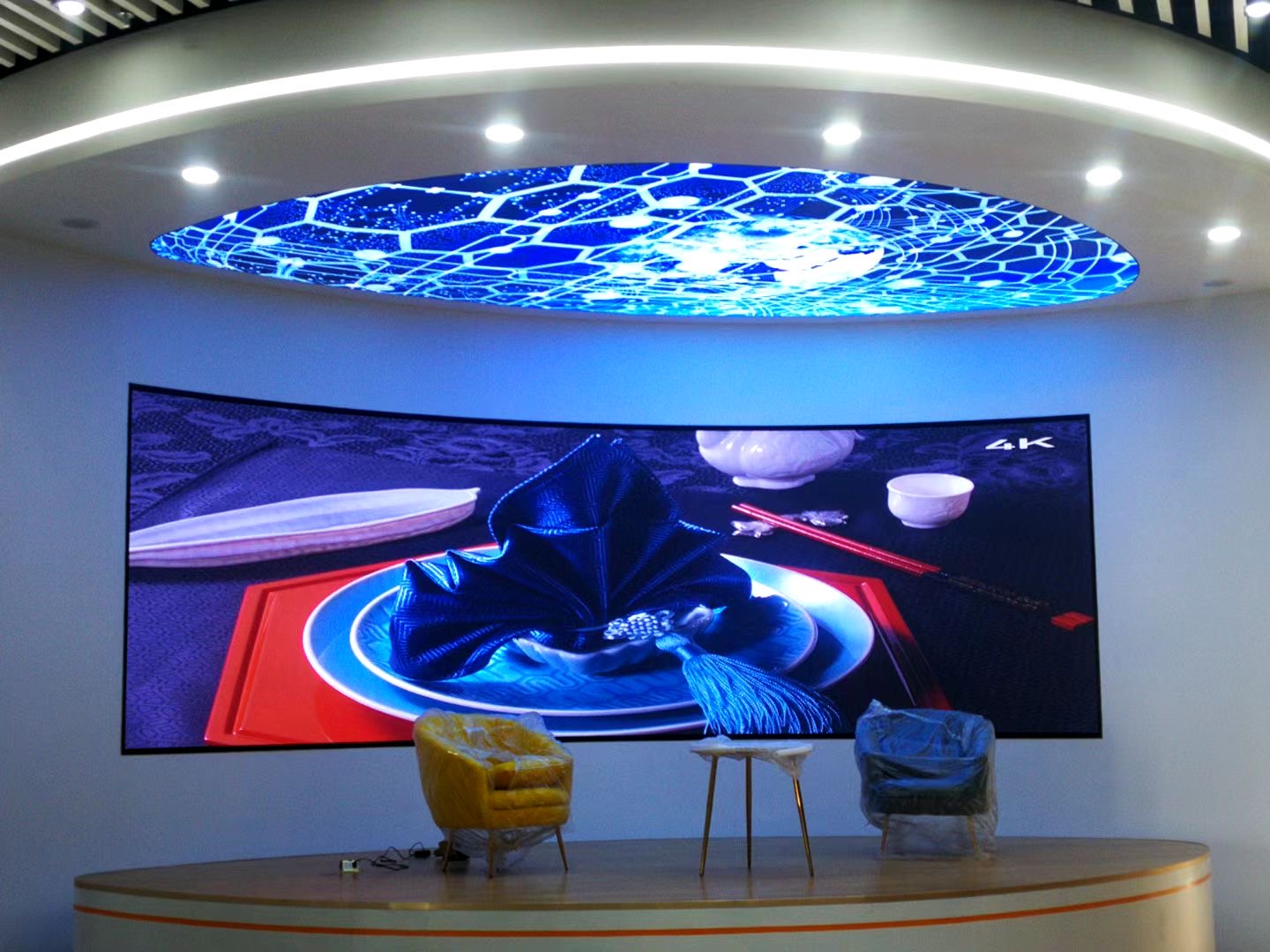
1. Quantitative indicators of efficiency improvement
Information transmission efficiency: 4K screen increases the speed of identifying drawing details by 63% (ISO 9241 standard test)
Collaboration fluency: Multi-window split screen increases the efficiency of cross-departmental discussions by 41%
Decision quality: 3D data visualization increases the approval rate of solutions by 55%
2. Spatial value reconstruction
Area utilization: Replacing traditional projectors can release 30% of wall space
Environmental adaptability: Automatic brightness adjustment reduces 82% of shading requirements
Brand image: High-end customized screen increases customer satisfaction score by 27%
3. Long-term operation and maintenance advantages
Energy consumption economy: 58% energy saving compared to projection system (100㎡ conference room saves ≈ $3200 in electricity bill per year)
Service life: 50,000 hours life cycle (8 years without replacement)
Smart management: Remote monitoring system reduces maintenance labor costs by 67%
IV. Implementation path recommendations
Demand diagnosis phase: Use BIM+ray tracing simulation to generate 3 sets of candidate solutions
Prototype testing phase: Build a 1:10 scale model for visual distance/color measurement
Deployment optimization phase: Reserve 20% pixel redundancy to cope with future upgrades
Effect evaluation system: Establish a smart dashboard containing 15 KPIs (including eye tracking data)
Typical case:
Microsoft Zurich headquarters uses P1.5 curved screen (radius 4.5 meters), after integrating Teams Rooms system:
Transnational meeting preparation time shortened by 73%
Drawing annotation error rate reduced by 89%
Conference room utilization rate increased to 92%
Conclusion
Conference room LED display has gone beyond basic display functions and become a digital engine driving organizational effectiveness. Through precise space adaptation design, scientific technology selection and intelligent system integration, enterprises can not only achieve immediate improvement in meeting efficiency, but also build sustainable competitive advantages in digital transformation. With the cost of Mini LED going down (prices are expected to drop by 35% in 2024) and the continuous evolution of AI collaboration functions, intelligent display systems will surely redefine the value paradigm of future office spaces.
 English
 中文
中文